From Fortune · Nick Lichtenberg · · 3m
Gen Z finds control through faith and data center fights
The youngest adults are turning to religion and blocking AI infrastructure at unprecedented scale, driven by a shared need for agency in a world that feels imposed upon them.
In brief
The youngest adults are turning to religion and blocking AI infrastructure at unprecedented scale, driven by a shared need for agency in a world that feels imposed upon them. Gen Z is the most religious generation on record and is leading a nationwide revolt against data centers, both driven by a desire for control…
Gen Z breaks the secular trend
New Harris Poll data shows thirty-three percent of Gen Z identifies as religious, higher than any other generation measured. Boomers are at eighteen percent, Gen X at twenty-two percent, and Millennials at nineteen percent.
“33% of Gen Z identifies as religious, compared with 18% of Boomers, 22% of Gen X and 19% of Millennials”
Gen Z also leads data center revolt
Gen Z has become the organizing force behind a nationwide backlash against AI data centers. Since the start of twenty twenty-five, the movement has blocked or delayed more than two hundred twenty-eight billion dollars in projects.
“blocked or delayed more than $228 billion in projects since the start of 2025”
Scale of the opposition network
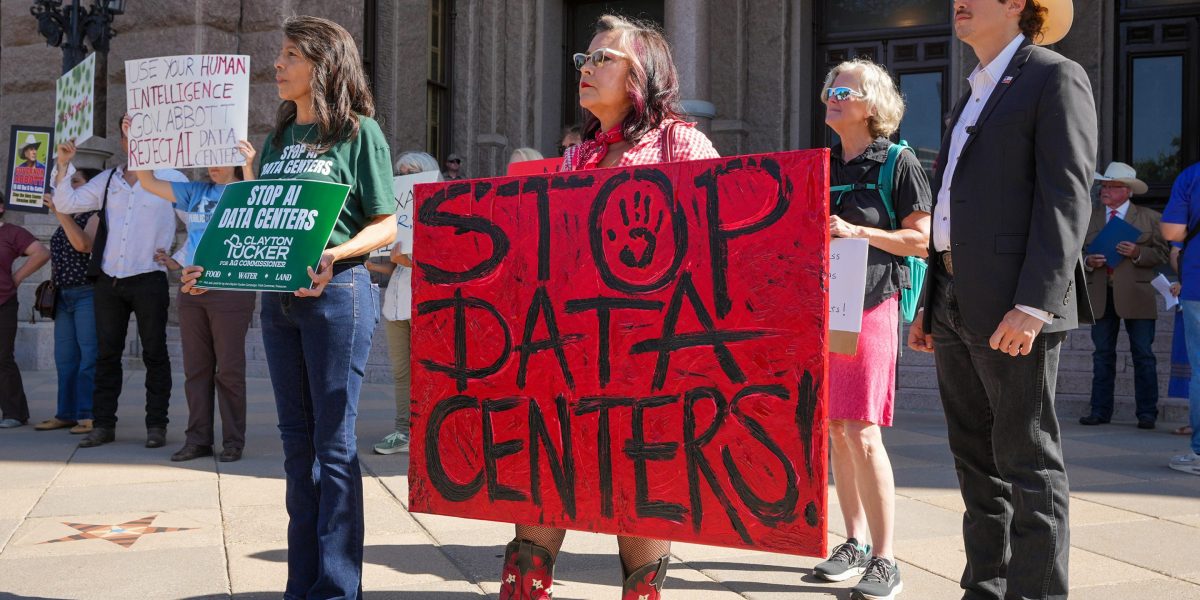
More than five hundred localities across thirty-nine states have passed bans, moratoriums or other restrictions on data center construction. Eight hundred forty-three opposition groups are active in forty-nine states.
“More than 500 localities across 39 states have now passed bans, moratoriums or other restrictions on data center construction, and 843 opposition groups are active in 49 states”
Control is the common thread
Libby Rodney, chief strategy officer at The Harris Poll, says both trends reflect a shared need for agency. Fifty-seven percent of Gen Z turned to spirituality or manifestation to feel greater control over their future.
“There's a control element. That's the reason that they are spiritual, they're looking for some sense of agency and control.”
The lack of consent argument
Rodney identifies a core grievance: Gen Z feels AI is being imposed without their agreement. She says tech companies present AI as inevitable, creating what she calls a lack of consent in how the technology is rolled out.
“This idea that the world, the narrative that's out there from tech companies, is like this AI world is happening whether you like it or not. And so there's this lack of consent.”
Blocking billions in a single quarter
Local pushback blocked or delayed forty-five data center projects worth sixty-eight billion dollars between April and June of this year. The first quarter saw an even larger one hundred thirty billion dollar disruption, the largest single-quarter total on record.
“45 projects worth $68 billion between April and June of this year alone”
Americans oppose data centers near home
Gallup polling from March found seven in ten Americans oppose data center construction near where they live. New York became the first state to impose a moratorium by executive order in July, with Pennsylvania and Texas following.
“seven in 10 Americans oppose data center construction near where they live”
Why local fights feel winnable
Rodney notes data centers are tangible physical infrastructure decided at local level, unlike abstract AI happening in private sector or national government. This locality makes people feel they can make a difference in their community.
“All the other AI things are happening in the private sector or the national government. But this is something that happens at a local jurisdiction point of view.”
Economic anxiety fuels the backlash
Seventy percent of Gen Z say the future they were promised has not materialized. Sixty-one percent have skipped medical care because of cost. A forty-one point gap exists between business leaders and workers on AI's financial upside.
“70% of Gen Z say the future they were promised hasn't materialized, and 61% have skipped medical care because of cost”
Gen Z rebuilds community life
Seventy percent of Gen Z reached out for help or leaned on others in the past year, more than any other generation. Sixty percent say they belong to more real world and in-person communities than they used to.
“60% say they belong to more real world and in-person communities than they used to, and 70% say they want to belong to even more of them in the future”
The takeaway
Gen Z is the most religious generation on record and is leading a nationwide revolt against data centers, both driven by a desire for control over their futures.