From Fortune · Nick Lichtenberg · · 3m
Goldman's earnings bubble warning gets hard numbers
Peter Oppenheimer backs his AI earnings concerns with capex data, record debt issuance, and a specific mechanism driving up the cost of capital.
In brief
Peter Oppenheimer backs his AI earnings concerns with capex data, record debt issuance, and a specific mechanism driving up the cost of capital. Tech stocks may face an earnings crisis rather than a valuation one if AI spending and government borrowing compete for scarce capital and slow profit growth. Originally…
Goldman strategist warns of earnings bubble
Peter Oppenheimer, Goldman Sachs' chief global equity strategist, says tech stocks might not have a valuation problem but an earnings problem instead.
August thesis gets backed by data
Six weeks after first raising the possibility, Oppenheimer's new report ties the risk of an AI-driven earnings bubble to specific mechanisms, historical stress tests, and near-term triggers already showing up in bond markets.
The August admission
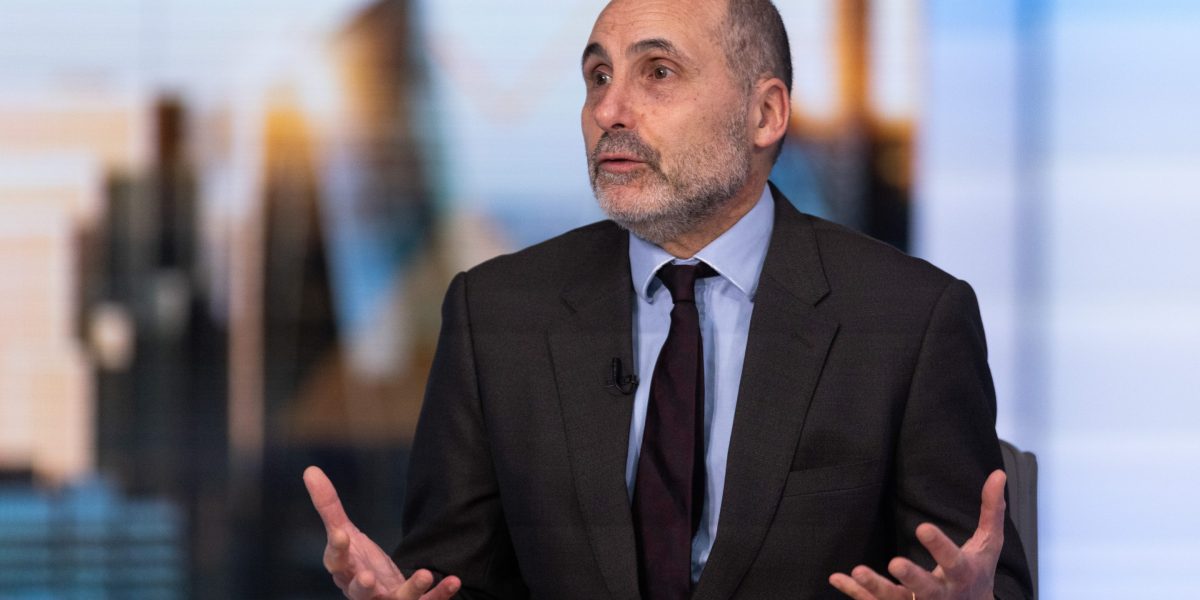
In early August, Oppenheimer wrote that there does not appear to be a valuation bubble, but there may be an earnings bubble building in technology stocks.
“there does not appear to be a valuation bubble, but there may be an earnings bubble”
AI spending and government borrowing collide
Oppenheimer now argues that AI infrastructure spending and government borrowing are directly competing for the same pool of capital, driving up the global cost of capital.
Record numbers show the pressure
Capital spending among AA-rated tech issuers grew 65% year-over-year in Q2. U.S. convertible bond issuance hit $135 billion year-to-date, with AI borrowers responsible for 44% of volume.
Goldman raises issuance forecast to record
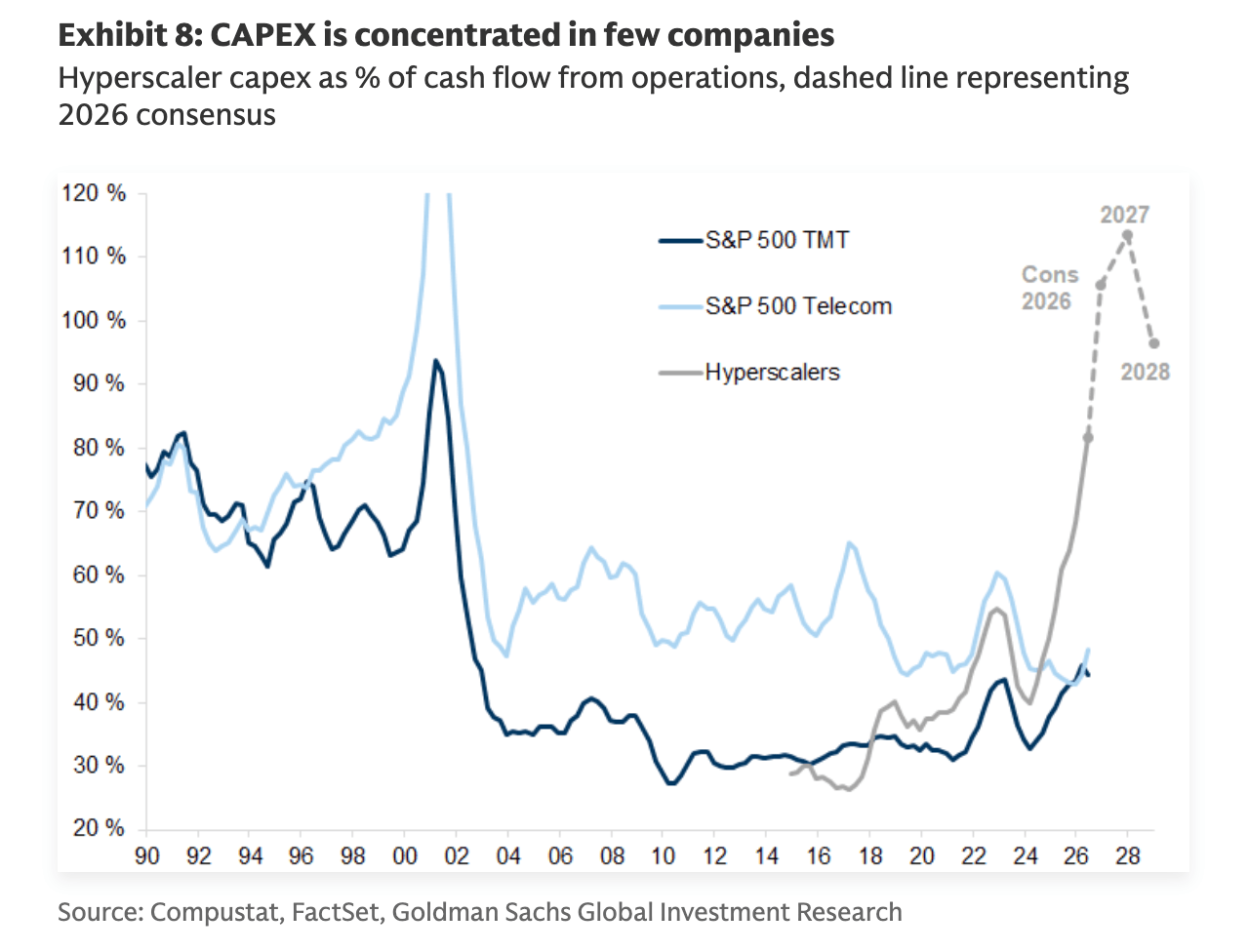
Goldman's credit team raised its full-year U.S. investment-grade issuance forecast by $200 billion to a record $2.3 trillion, with AI-related issuers now accounting for a quarter of all supply.
Apollo economist echoes the diagnosis
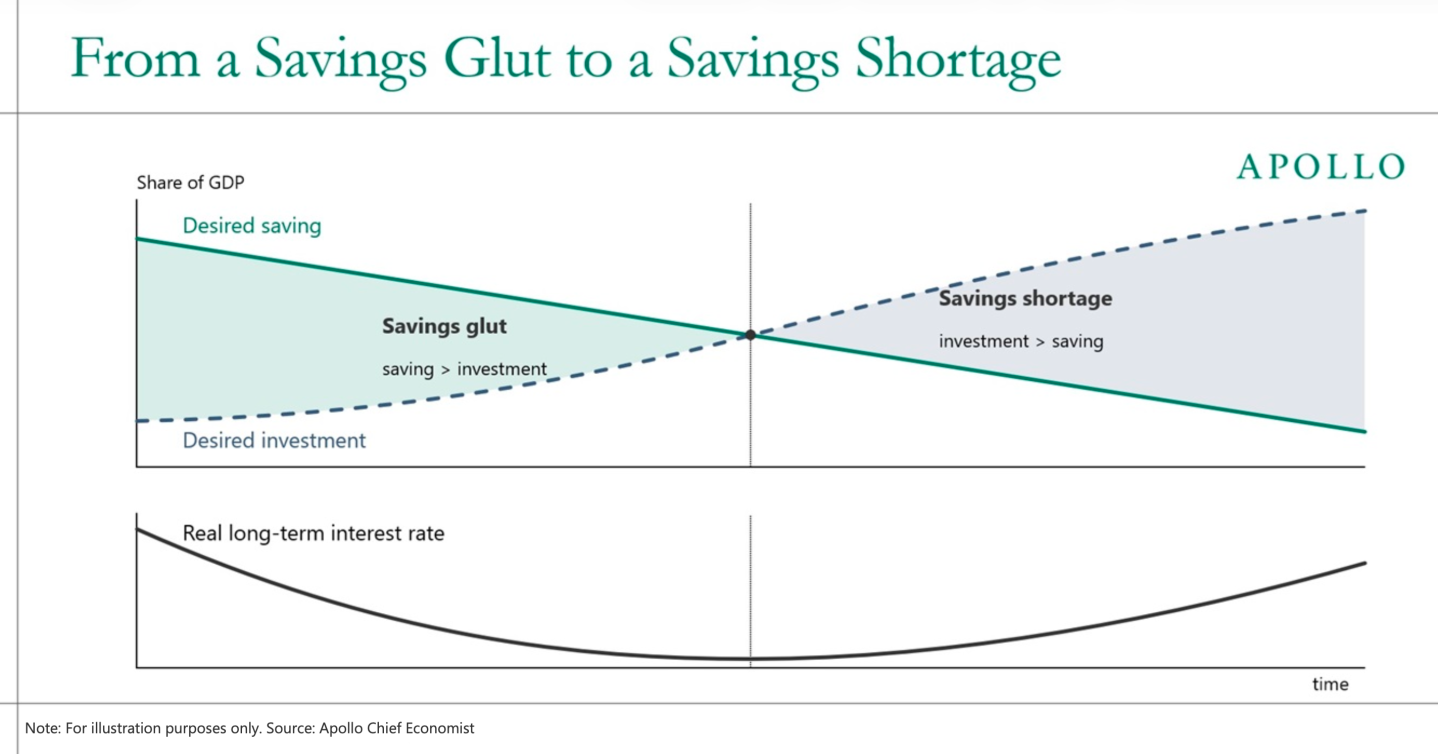
Torsten Slok at Apollo Global Management argues that a two-decade savings glut has turned into a savings shortage, with more projects than capital available.
Long-term rates face more pressure
Data centers, power generation, transmission, and government deficits are all long-duration claims on savings, concentrating competition for capital at the long end of the curve.
2008 comparison shows key differences
Unlike 2008 banks, tech companies have strong balance sheets, very robust profits, and demand for AI compute that's accelerating and outstripping supply rather than sitting atop an inflated asset.
The real risk is profit slowdown
Any slowdown in profit growth in an environment of much higher cost of capital could put downward pressure on equity prices and reduce confidence in future cash flows across the ecosystem.
“Any slowdown in profit growth, in an environment of a much higher cost of capital, could put downward pressure on equity prices”
Chip stocks already showing the tension
On September 14, Nvidia fell 3% and other chipmakers dropped 5-6% after AI safety concerns, while hyperscalers rose. Chip suppliers have no option to stop spending like hyperscalers do.
What it means
Tech stocks may face an earnings crisis rather than a valuation one if AI spending and government borrowing compete for scarce capital and slow profit growth.