From Fortune · Fernanda Tronco · · 1m 50s
How the U.S. Open sells exclusivity
A tennis tournament in Queens now runs at a 49% operating margin by selling the scene, not just the sport.
In brief
A tennis tournament in Queens now runs at a 49% operating margin by selling the scene, not just the sport. Exclusivity is the product. The U.S. Open grew by charging more for access and proximity, and demand keeps rising. Originally reported by Fortune.
A half-billion-dollar fortnight
The USTA pulled in $623.8 million in 2024, and the U.S. Open was about 90% of it. The three-week run alone generated $559.6 million in operating revenue.
Nearly half of it is profit
Expenses ran $282.2 million, leaving a surplus around $277.4 million. That is a 49% margin, on revenue up 9% from $514.1 million in 2023.
Six ways the money arrives
Tickets brought $208.5 million. Sponsorship topped $130 million, broadcast rights added roughly $145 million, and corporate hospitality contributed $83.3 million.
A million through the gates
The 2024 tournament was the first to pass one million attendees. In 2025 the crowd grew again, to about 1.14 million.
Betting $800 million on premium
The USTA is spending roughly $800 million upgrading Arthur Ashe Stadium and the grounds, its biggest capital project ever, much of it aimed at hospitality and high-end seating.
Why 27 brands pay in
American Express, Rolex, Tiffany, Ralph Lauren, Emirates and Grey Goose are not chasing quick sales. They are buying proximity to an affluent crowd gathered in one place.
The $23 cocktail that proves it
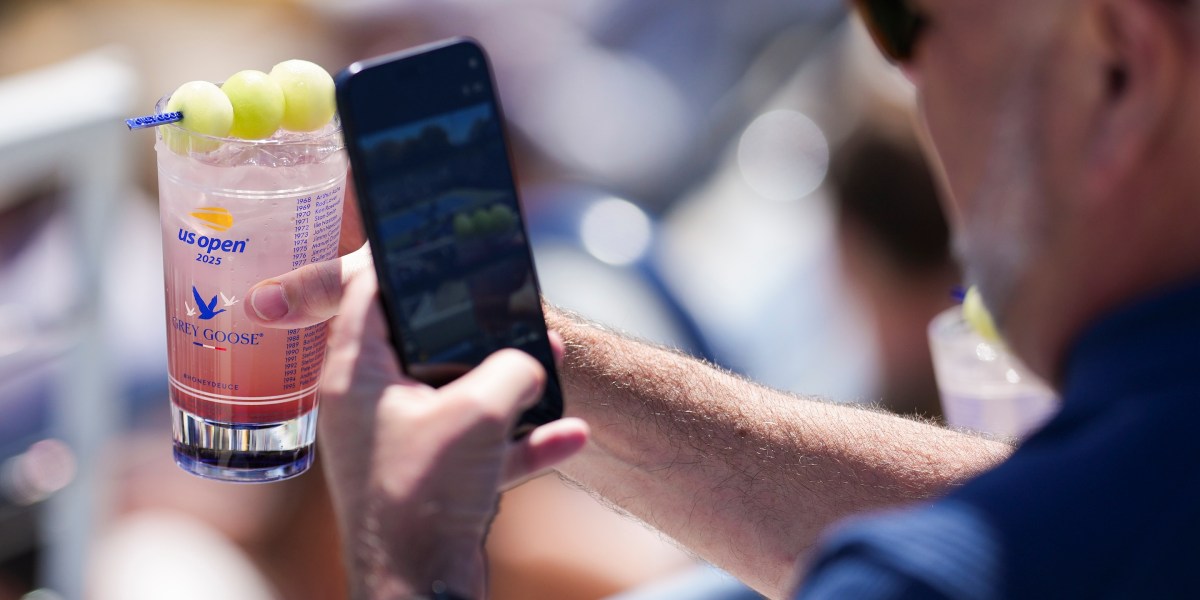
Grey Goose sold a record 738,459 Honey Deuces in 2025, roughly $17 million of vodka, lemonade and melon balls. Price stopped mattering once the drink became a ritual.
Priced out, and still packed
Critics say ordinary fans are being squeezed out, but attendance and premium sales keep climbing. Analysts estimate the 2026 event could add $369.7 million in spending around the city.
“They're not necessarily so into tennis, but more into the scene and wanting to be there.”
The essence
Exclusivity is the product. The U.S. Open grew by charging more for access and proximity, and demand keeps rising.