From Fortune · Marco Quiroz-Gutierrez · · 2m
Huang's 3.58% stake couldn't save his CEO job
Jensen Huang resigned from Nvidia after 33 years, unable to protect his role despite being the company's largest shareholder, because he lacked super-voting power.
In brief
Jensen Huang resigned from Nvidia after 33 years, unable to protect his role despite being the company's largest shareholder, because he lacked super-voting power. Nvidia CEO Jensen Huang resigned after admitting infidelity and facing a board investigation into a possible foreign intelligence operation, leaving CFO…
Huang steps down after 33 years
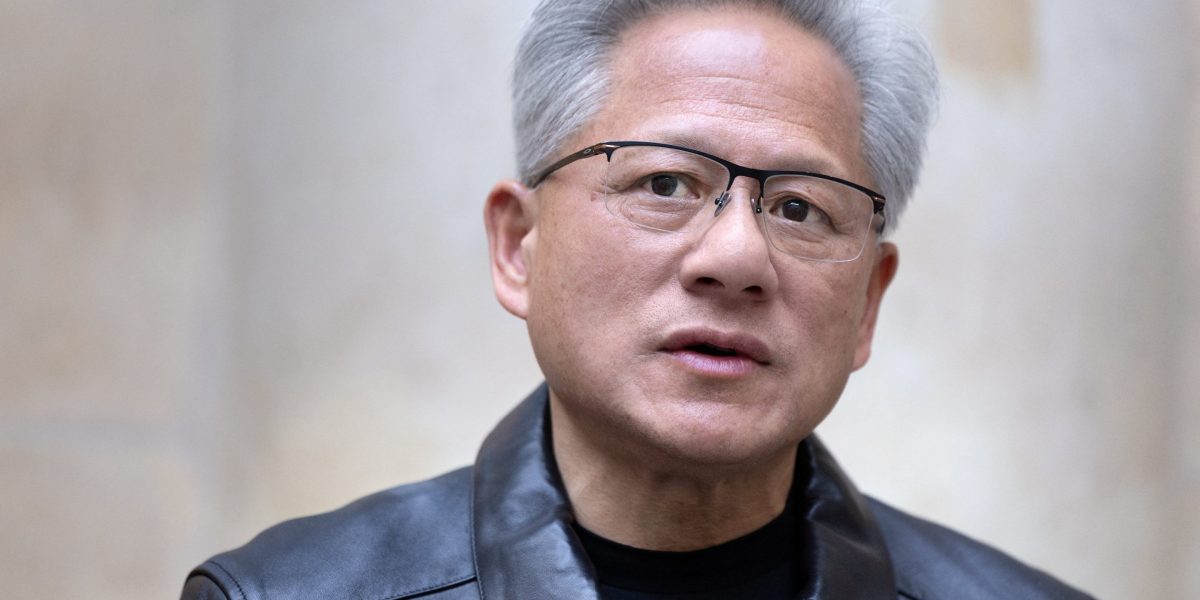
Jensen Huang resigned as Nvidia CEO on Thursday after publicly admitting to being unfaithful to his wife. The board appointed CFO Colette Kress as interim CEO.
Board investigation into foreign intelligence
Nvidia's board opened an independent investigation into Huang and whether he may have been a target of a foreign intelligence operation.
Another affair with Nvidia executive
According to the New York Times, Huang reportedly had another affair with an Nvidia executive who reported to him, adding to the reasons behind his departure.
Huang's belief in board accountability
In a January podcast interview, Huang said a well-governed company has a CEO who reports to the board. If the CEO doesn't do his job, that CEO is let go.
“In a well-governed company, the CEO was always designed to report to the board of directors and the board of directors report to shareholders.”
Huang owned just 3.58% of Nvidia
Despite being Nvidia's largest individual shareholder, Huang owned about 870.6 million shares, or about 3.58% of the company as of March. Vanguard and BlackRock each owned more than 7%.
One-share-one-vote system limited his power
Nvidia's one-share-one-vote system meant Huang's voting power directly corresponded with his shareholding. Unlike founders with dual class shares, he lacked special voting privileges.
Contrast with Zuckerberg's voting control
Mark Zuckerberg at Meta owns 13.4% but controls about 60% of voting power through dual class shares. Evan Spiegel at Snap controls 53% of voting while owning 9.3%, giving founders protection Huang never had.
Stock falls 14% on resignation news
Nvidia's stock plummeted as much as 14% Thursday following Huang's departure announcement, before rebounding to down about 4.7% by 1:30 p.m. EST. The company has a nearly four trillion dollar market cap.
Board appoints Harvey Jones as chairman
The board appointed Harvey C. Jones, a former semiconductor company CEO and Nvidia board member since 1993, as chairman of the board. The company previously operated without a board chairman.
The headline
Nvidia CEO Jensen Huang resigned after admitting infidelity and facing a board investigation into a possible foreign intelligence operation, leaving CFO Colette Kress as interim CEO.