From Fortune · Sebastian Herrera · · 1m 50s
Meta Leads Post-Smartphone AI Hardware Race
Meta's smart glasses dominate AI hardware with privacy-focused designs and rapid adoption.
In brief
Meta's smart glasses dominate AI hardware with privacy-focused designs and rapid adoption. Meta leads the post-smartphone AI hardware race with 7 million AI-enabled glasses sold in 2025, prioritizing privacy through hardware features despite privacy concerns. Originally reported by Fortune.
First-Time Smart Glasses Experience
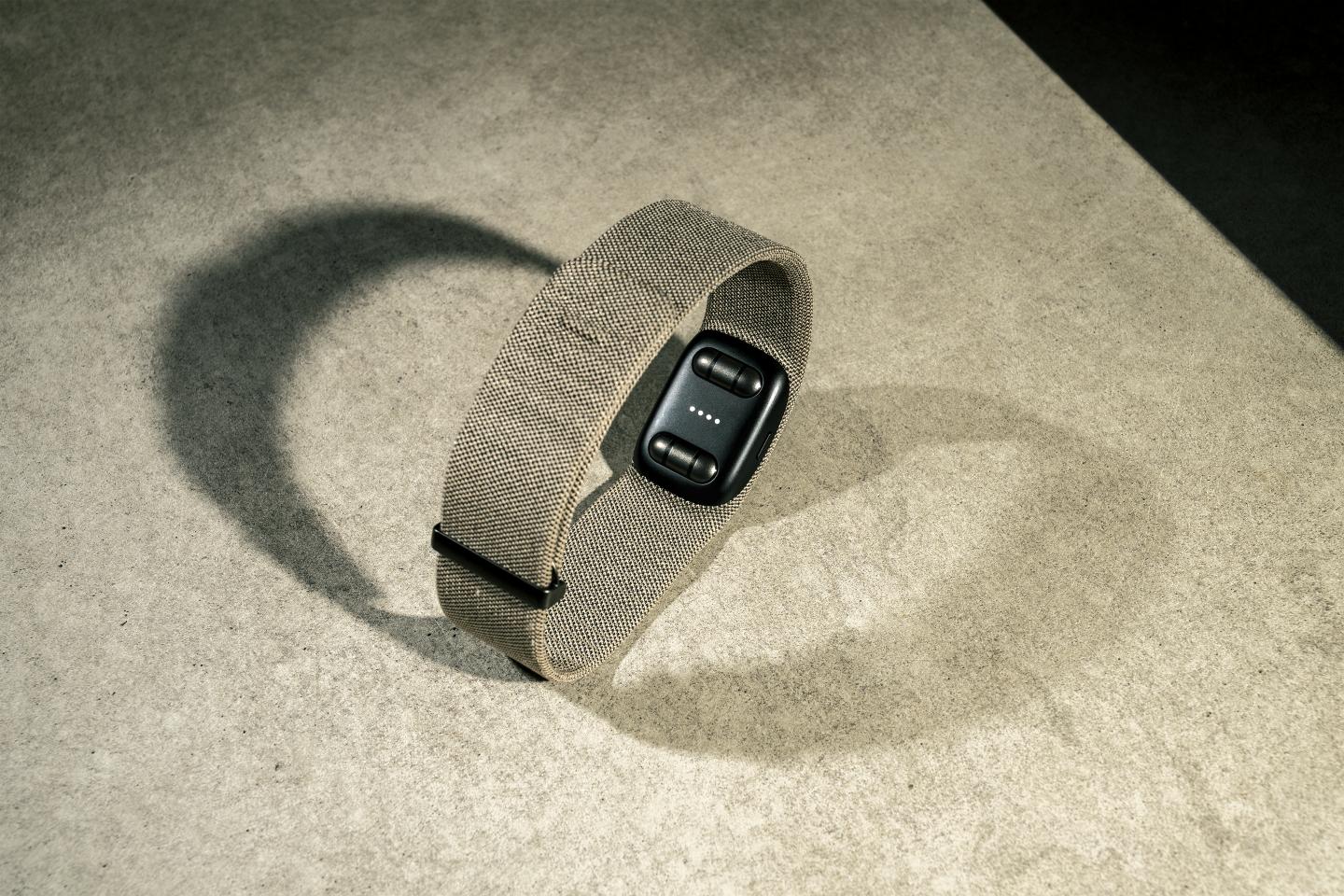
Meta's smart glasses project high-resolution digital boxes inside lenses and let users control apps with finger movements via a smart wristband.
“Tap your pointer finger and thumb together, and an app opens. Say, 'Hey, Meta,' and you’re suddenly chatting with an AI bot.”
Meta's Smart Glasses Collection
Meta showcases Ray-Ban Wayfarer camera glasses with nine-hour battery life, lens display glasses with neural wristbands, audio-only smart glasses, and Aviator frames.
“The collection included the flagship Ray-Ban Wayfarer camera-enabled glasses, with an updated nine-hour battery life; the Ray-Bans with the lens display and 'neural' wristband; new audio-only smart glasses that ditch the built-in camera; new styles including Aviator frames; and prototypes like the Orion augmented reality glasses.”
Meta's Market Leadership
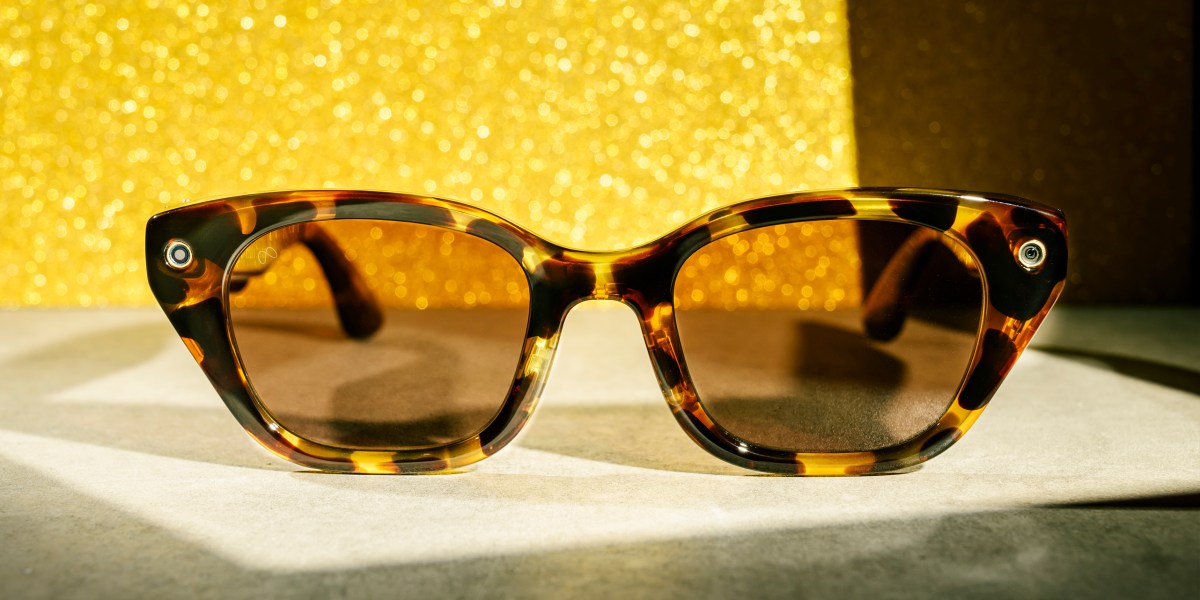
Meta grew smart glasses sales threefold last year, with EssilorLuxottica reporting 7 million AI-enabled glasses sold in 2025.
“EssilorLuxottica says it sold 7 million pairs of AI-enabled glasses in 2025.”
Alex Himel on Wearables Strategy
Meta's vice president of wearables, Alex Himel, credits early bets on fashion and lightweight designs for customer adoption.
“Customers use the smart features on the glasses only about 10% of the time, he said, so it’s critical that people crave the glasses for their look and weight.”
Agentic AI Capabilities
Meta's Muse Spark model enables agentic AI to manage schedules, scan emails, and create 3D holograms of users for video calls.
“One new capability he’s excited about is agentic AI powered by Meta’s latest Muse Spark model, allowing the glasses to execute multistep routines like managing personal schedules and scanning through emails.”
Privacy Concerns and Solutions
Meta faces privacy issues with LED lights and recording features, but introduces private cloud devices to secure sensitive user data.
“Meta recently created a policy to deactivate recording if the LED has been tampered with, and Meta will delete the accounts of anyone who uses a modified device and posts harassing content.”
Competitor Privacy Approaches
Competitors like Even Realities and HTC Corp. focus on privacy by removing cameras and audio functions from smart glasses.
“Taiwan-based HTC Corp.’s Vive Eagle glasses tout a feature that turns off recording if anyone, not just the user, says, 'Stop recording.'”
Snap's Standalone Computing
Snap's $2,195 augmented reality Specs function as standalone computers without phone dependency.
“Snap executive Russell Patton said the glasses are designed to create a distinct computing ecosystem rather than serve as an accessory to a phone.”
AI Hardware Competition
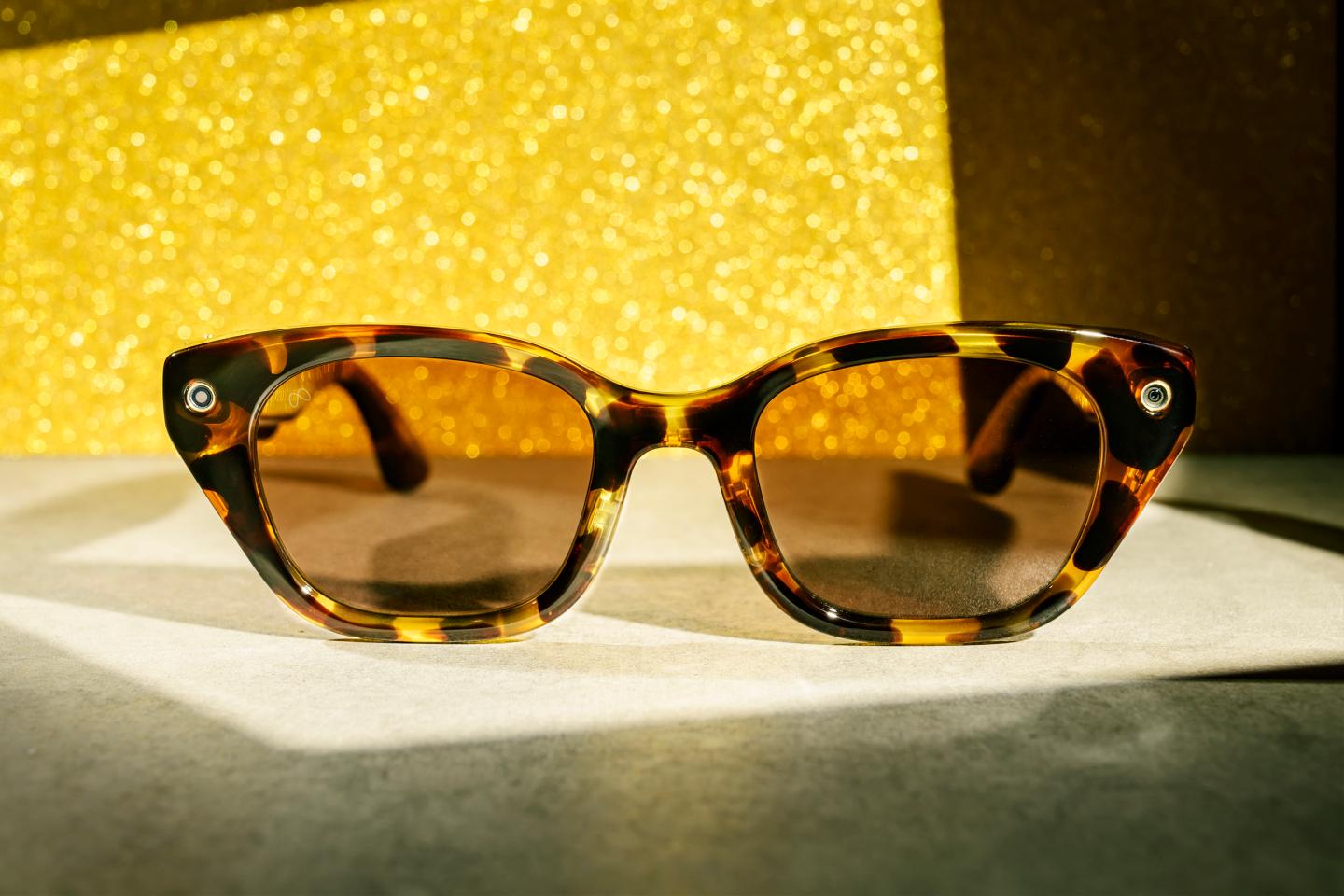
OpenAI, Apple, and Microsoft are developing new AI hardware, with Apple reportedly working on glasses and camera-equipped AirPods.
“OpenAI’s first device is reported to be a portable, screen-free, doughnut-shaped object, and the company promises several other products.”
Future of AI Devices
AI use will likely span multiple devices, with glasses being one form factor among many for post-smartphone interactions.
“Ziad Asghar, Qualcomm’s senior vice president of wearables, believes AI use is likely to be experienced through a myriad of devices.”
Market Adoption Challenges
Batteries in wearables are small, and 5G chips reduce battery life, so devices will remain phone-dependent for years.
“Because batteries in wearable devices are tiny, and 5G cellular chips can instantly cut a wearable’s battery life by half, analysts expect the devices to remain tethered to a phone for at least the next five to 10 years.”
The one thing
Meta leads the post-smartphone AI hardware race with 7 million AI-enabled glasses sold in 2025, prioritizing privacy through hardware features despite privacy concerns.