From Fortune · Nevin Cohen · · 3m
NYC's five city-run grocery stores spark bodega backlash
New York City is spending $70 million on municipal stores to sell essentials 30% below retail, but independent grocers warn it will destroy their businesses.
In brief
New York City is spending $70 million on municipal stores to sell essentials 30% below retail, but independent grocers warn it will destroy their businesses. New York City is opening five city-run grocery stores pricing essentials 30% below retail to counter food inflation, drawing fierce opposition from independent…
NYC launches five city-run grocery stores
Mayor Zohran Mamdani announced in May 2026 that New York City will open five city-run grocery stores, with the first in Hunts Point in the South Bronx opening in 2027.
Stores will price essentials 30% below retail
The city is spending seventy million dollars on the stores, which will sell essential foods at thirty percent below typical retail prices to counter food inflation.
Independent grocers fiercely oppose the plan
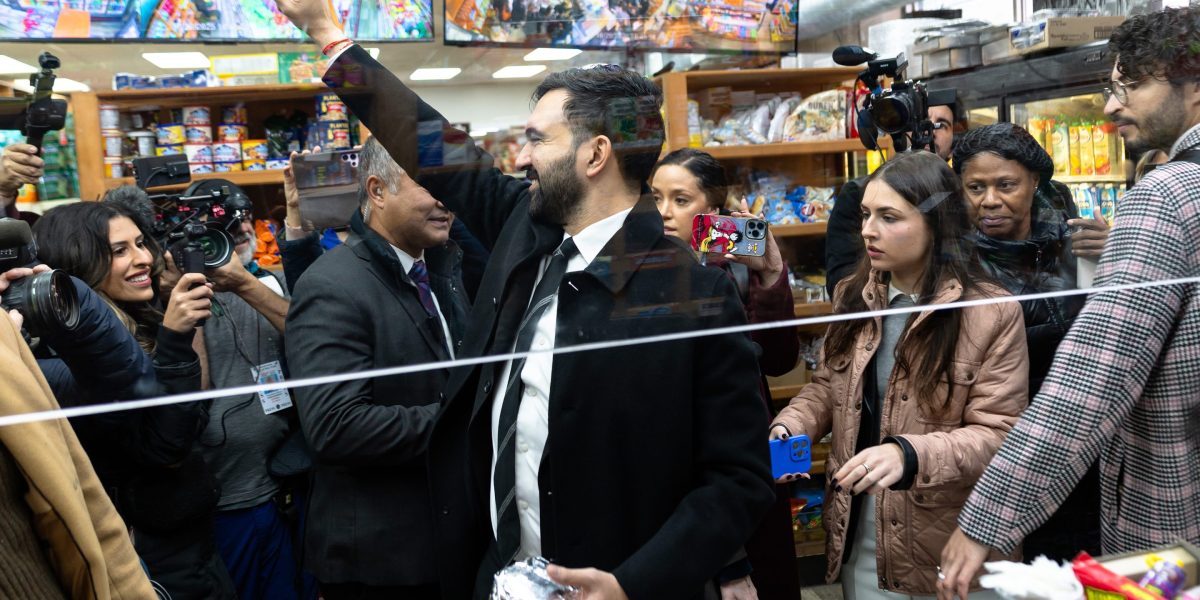
Independent grocers, supermarket trade associations and a coalition representing immigrant-owned food businesses have ignited fierce opposition to the initiative.
Opposition is about precedent, not just economics
Food policy scholar Nevin Cohen argues the pushback reflects concern that the stores challenge an entrenched expectation that government should leave consumer goods provision to private enterprise.
Government has long shaped NYC's food economy
For at least a century, public policies and investments have shaped where supermarkets open, which businesses can operate profitably, and how residents obtain food.
Stores will make government's role visible
Unlike hidden subsidies and tax breaks, the municipal stores will have distinct branding so shoppers know government is responsible for affordable food, creating accountability.
“physical proof of our conviction that government can be a force for good”
History of government food retail in NYC
In 1934, Mayor Fiorello La Guardia sold discounted milk to low-income families. In the 1990s, the city subsidized a Pathmark supermarket in East Harlem, drawing similar complaints.
FRESH program shows hidden government support
Since 2009, the city's Food Retail Expansion to Support Health program has offered supermarket developers long-term tax breaks and zoning incentives, but shoppers don't see the public support.
East Harlem shows stores and bodegas can coexist
Between 2000 and 2015, small grocery stores and bodegas in East Harlem increased from 100 to 126, while supermarkets rose from 10 to 18, suggesting coexistence is possible.
City must ensure stores deliver on their mission
New York City must ensure private operators deliver excellent service and real savings, provide good working conditions, and track effects on nearby businesses to guarantee success.
Public ownership makes government accountable
Public ownership of the stores makes government's responsibility for their outcome impossible to miss, unlike hidden subsidies that obscure the public contribution to affordable food.
The key point
New York City is opening five city-run grocery stores pricing essentials 30% below retail to counter food inflation, drawing fierce opposition from independent grocers and bodegas.