From Fortune · Joseph Hostetler · · 2m
Oil hits $115.40 a barrel as prices surge past year ago
Brent crude oil reached $115.40 per barrel on October 29, 2026, up 77.67 percent from a year earlier but down slightly from the previous day.
In brief
Brent crude oil reached $115.40 per barrel on October 29, 2026, up 77.67 percent from a year earlier but down slightly from the previous day. Oil prices reached one hundred fifteen dollars forty cents per barrel on October twenty-ninth, twenty twenty-six, up seventy-seven point sixty-seven percent year-on-year, driven…
Oil reaches $115.40 per barrel
By eight forty-five am Eastern Time on October twenty-ninth, Brent crude oil reached one hundred fifteen dollars forty cents per barrel, down eighty-five cents from the previous day.
Year-on-year surge of 77.67 percent
Oil prices have climbed fifty dollars fifty cents above their level a year earlier, when Brent crude cost sixty-four dollars ninety-five cents per barrel.
Monthly gains of 12.43 percent
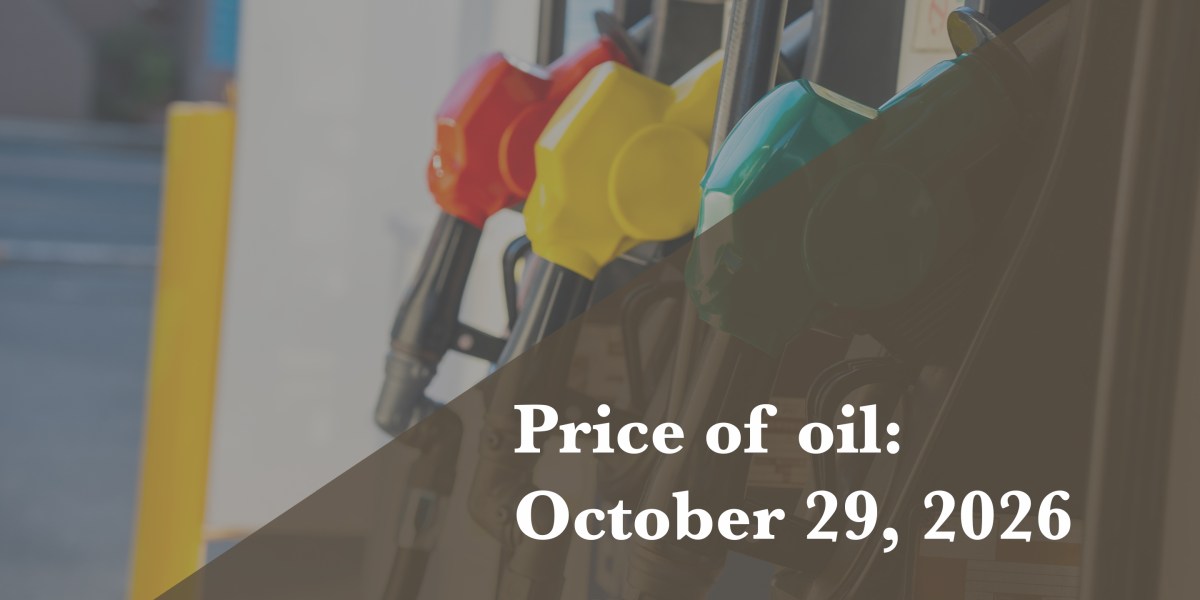
One month ago, oil cost one hundred two dollars sixty-four cents per barrel, meaning prices have risen twelve point forty-three percent in the past month.
Oil prices are inherently unpredictable
Supply and demand ultimately determine oil prices. In times of heightened concern about recession, war, or other major disruptions, oil can swing suddenly.
“Oil prices are inherently unpredictable.”
Crude oil drives gas pump prices
Crude oil usually accounts for more than half the price per gallon at the pump. Sharp increases in oil show up quickly at the pump, but declines translate into slower drops.
Strategic Petroleum Reserve as safety net
The U.S. Strategic Petroleum Reserve secures energy during disasters like sanctions, severe storm damage, or war. It helps take the edge off brutal price spikes when supply gets hit.
Oil and natural gas prices linked
A big change in oil prices can affect natural gas. If oil prices increase, some industries may substitute natural gas for certain operations, increasing demand for natural gas.
Brent crude tracks global oil trends
Brent crude oil is the main global benchmark and prices much of the world's traded crude. The U.S. Energy Information Administration now uses Brent as its primary reference in its Annual Energy Outlook.
Oil prices shaped by wars and recessions
Oil has seen sharp rises from wars and supply cuts, and steep declines from global recessions and oversupply. The early nineteen seventies saw the first major oil shock during the Yom Kippur War.
The one thing
Oil prices reached one hundred fifteen dollars forty cents per barrel on October twenty-ninth, twenty twenty-six, up seventy-seven point sixty-seven percent year-on-year, driven by supply and demand dynamics and geopolitical factors.