From Fortune · Wen Shao · · 3m
OpenAI disbands robotics team as AI models take over
OpenAI has moved its robotics researchers to other teams, betting that general-purpose AI models can control robots without specialized training.
In brief
OpenAI has moved its robotics researchers to other teams, betting that general-purpose AI models can control robots without specialized training. OpenAI disbanded its stand-alone robotics team, reassigning researchers to work on general-purpose AI models it believes can directly control robots without specialized…
OpenAI disbands robotics team
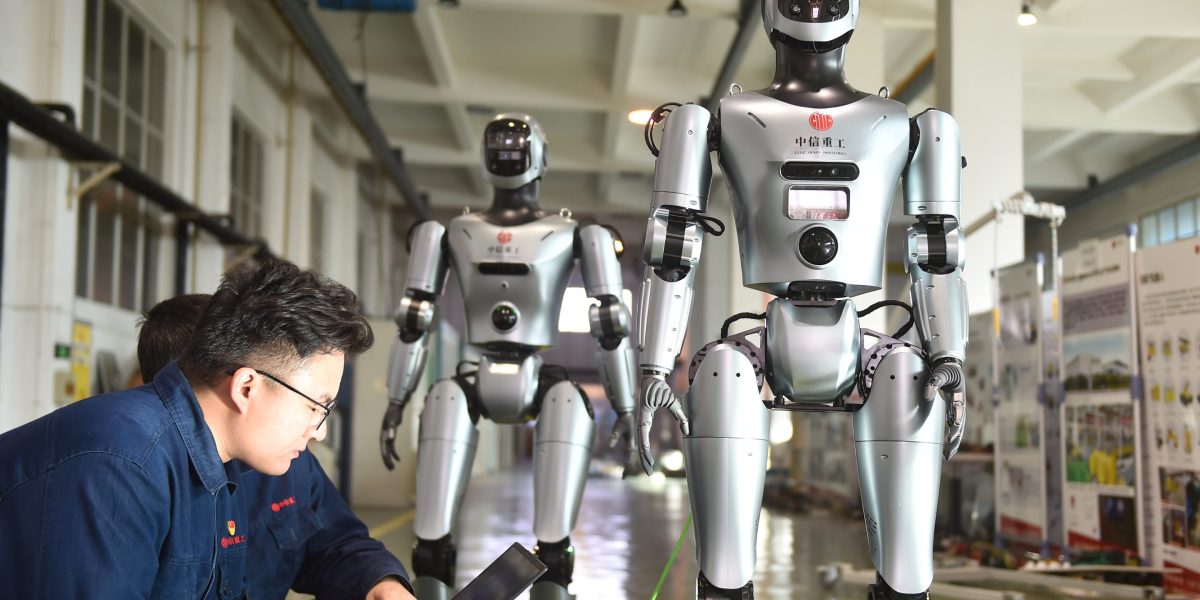
OpenAI has disbanded its stand-alone robotics team, reassigning researchers to other teams within the company. The reorganization was confirmed by a company spokesperson.
Where the researchers are going
Robotics research staff moved to the main research team under Chief Research Officer Mark Chen. Applied robotics and hardware teams joined the Applied organization under President Greg Brockman.
OpenAI says robotics remains core
A company spokesperson said robotics remains a core part of OpenAI's long-term vision and portrayed the reorganization as a sign of commitment rather than retreat.
Empty booth at robotics conference
OpenAI had registered booth number two hundred eight at CoRL, a top academic robotics conference in Austin this week. When Fortune visited, the booth sat empty with no OpenAI logo visible.
OpenAI's robotics history
OpenAI had a robotics team in its early days but wound it down in 2020. Cofounder Wojciech Zaremba cited limited robot data and a more efficient path toward artificial general intelligence through other methods.
Rebuilt team and Figure partnership
OpenAI rebuilt a stand-alone robotics team in twenty twenty-four, announcing a partnership with startup Figure to develop AI models for humanoid robots. That partnership ended in February twenty twenty-five.
The bet on general-purpose models
The reorganization reflects a bet gaining traction across the AI industry: that general-purpose models built for language, code and vision can also control robots, driverless cars and drones without specialized AI.
GPT-6 Astra shows promise on robots
Researchers have seen surprising performance when connecting GPT-6 Astra to robots, directly using the general-purpose AI model to perform some robotic tasks without specialized training.
Carnegie Mellon expert interprets the move
Guanya Shi, assistant professor at Carnegie Mellon University's Robotics Institute, said the reorganization signals OpenAI sees robotics as no longer a special problem but a downstream application of general intelligence.
Robotics startups still have advantages
Russ Tedrake, MIT professor and CEO of Walden Robotics, said robotics companies have an advantage: their robots are already deployed on factory floors gathering site-specific data that helps them adapt faster.
Cost pressures and future focus
The reorganization comes as OpenAI faces pressure to rein in costs and show focus on core products.
The essence
OpenAI disbanded its stand-alone robotics team, reassigning researchers to work on general-purpose AI models it believes can directly control robots without specialized training.