From Fortune · Joshua Hong · · 3m
Treasury yields hit 5% as stagflation fears return
The 10-year yield crossed 5% for the first time since 2007, raising concerns about a 1970s-style stagflation combining high inflation with weak growth.
In brief
The 10-year yield crossed 5% for the first time since 2007, raising concerns about a 1970s-style stagflation combining high inflation with weak growth. The ten-year Treasury yield hit five percent this month for the first time since two thousand seven, driven by inflation, tariffs and energy shocks, reviving…
The five percent milestone
The ten-year Treasury yield crossed five percent this month for the first time since two thousand seven, capping a six-year surge from pandemic-era lows near zero point five percent.
A different crisis looms
The Federal Reserve faces a lose-lose situation combining high inflation and weak economic growth, a catch twenty-two economists termed stagflation in the nineteen seventies and feared throughout the yield's climb since the pandemic.
Ray Dalio's assessment
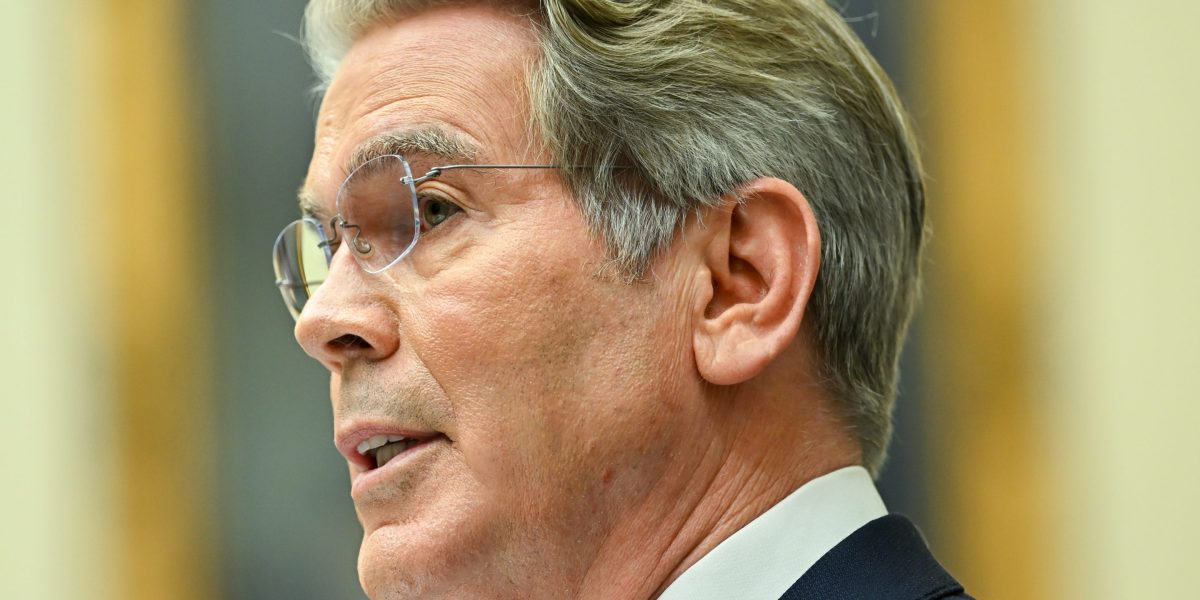
Famed investor Ray Dalio told CNBC in April that the U.S. is certainly in a stagflationary period, though he noted the situation has many complex parts.
“We're certainly in a stagflationary period.”
Not the seventies crisis
Today's conditions are far milder than the nineteen seventies stagflation. Inflation peaked near fourteen point eight percent in March nineteen eighty versus three point four percent now, and unemployment was nine percent then versus roughly four point one percent now.
The pandemic reset
In two thousand twenty, as COVID spread, investors rushed toward government debt and the Federal Reserve slashed its benchmark rate to near zero, purchasing large amounts of Treasury and mortgage securities. The yield fell to zero point fifty-two percent, the lowest level on record.
Inflation catches the Fed off guard
The Consumer Price Index began climbing quickly in two thousand twenty-one. Former Fed Chair Jerome Powell said in an August two thousand twenty-one speech he expected inflation to slow, calling elevated readings likely to prove temporary.
“Inflation at these levels is, of course, a cause for concern.”
The Fed pivots sharply
By December two thousand twenty-one, the Federal Reserve changed course. Its median projection showed the federal funds rate rising to four point four percent by end of two thousand twenty-two, five point four percent in two thousand twenty-three and four point four percent in two thousand twenty-four, versus zero point one percent at end of two thousand twenty-one.
Tariffs and war push yields higher
After Donald Trump won the two thousand twenty-four presidential election, the ten-year yield jumped as investors anticipated larger deficits, higher tariffs and potentially more inflation. Trump announced sweeping tariffs in two thousand twenty-five, and the Iran war disrupted energy markets, pushing oil prices higher and threatening economic growth.
Energy shock drives latest surge
Treasury yields reached their highest levels since two thousand seven in September as oil prices moved above one hundred dollars a barrel. By August, U.S. CPI inflation was running at three point four percent annually, well above the Federal Reserve's two percent target, with gas prices rising three point nine percent in August alone.
The main idea
The ten-year Treasury yield hit five percent this month for the first time since two thousand seven, driven by inflation, tariffs and energy shocks, reviving stagflation fears from the nineteen seventies.