From Fortune · Dee-Ann Durbin · · 1m 20s
U.S.-China fast food rivalry
American and Chinese fast food chains thrive across each other's markets despite political tensions
In brief
American and Chinese fast food chains thrive across each other's markets despite political tensions Fast food chains act as cultural bridges between the U.S. and China by adapting menus to local tastes while navigating political tensions Originally reported by Fortune.
Fast food unites two superpowers
American chains like McDonald's and KFC expand rapidly in China, while Chinese brands like Mixue enter the U.S. market
“Consumerism builds a safe, introductory channel for contemporary Chinese culture and can be a great way to elevate China's soft power”
American brands in China
KFC has 13,000 restaurants in China, far more than its U.S. count of 3,750
Chinese brands in the U.S.
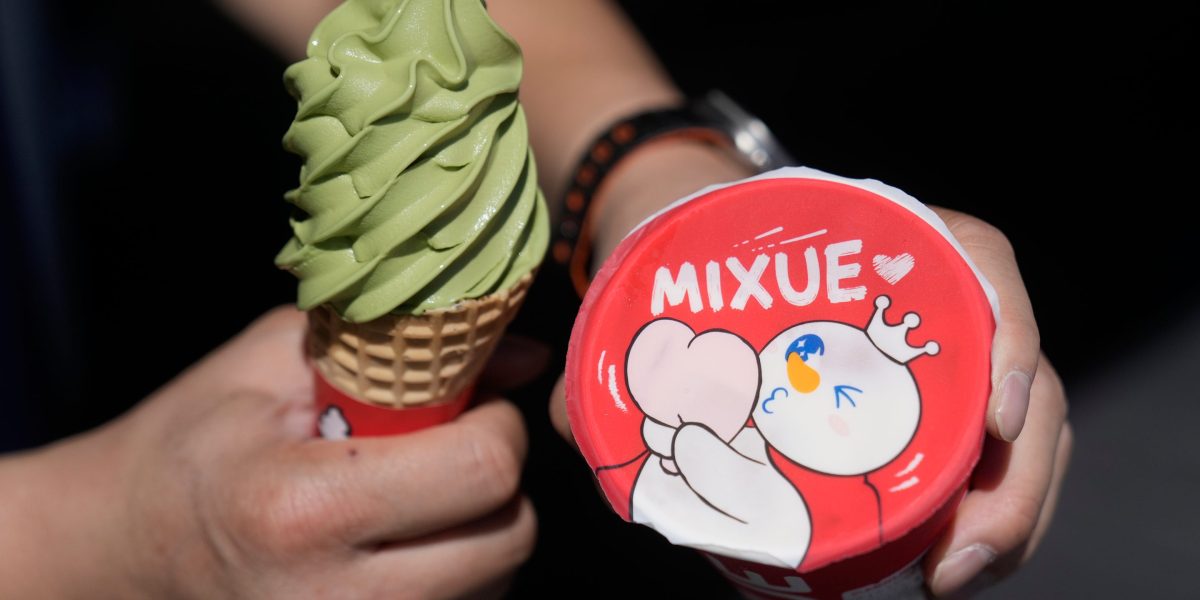
Mixue opened its first three U.S. stores in December with plans for at least 24 more across four states
Menu adaptations
KFC restaurants in China serve french fries and chicken alongside custardy egg tarts and congee
Market dynamics
American chains rely on Chinese partners for store locations and financial risk in China
Price competition
A Mixue matcha latte costs $6.83 in Hollywood, compared to $7.83 at Starbucks
Political tensions
Despite trade wars and technology disputes, fast food chains gain popularity in each other's territories
Cultural bridge
Chinese brands like Mixue target western consumers with affordable, familiar products
Market challenges
Chinese brands face potential backlash or higher tariffs if they undercut u.s. rivals with low-cost imports
The main idea
Fast food chains act as cultural bridges between the U.S. and China by adapting menus to local tastes while navigating political tensions