From Fortune · Eleanor Pringle · · 1m 40s
U.S. defense budget shrinks to lowest share since World War II
Rising costs for healthcare, Social Security and debt interest are squeezing military spending as China closes the military gap.
In brief
Rising costs for healthcare, Social Security and debt interest are squeezing military spending as China closes the military gap. Defense spending has fallen to thirteen percent of the federal budget, its lowest share since nineteen sixty-two, as mandatory spending and debt costs crowd out military investment…
Defense spending hits historic low
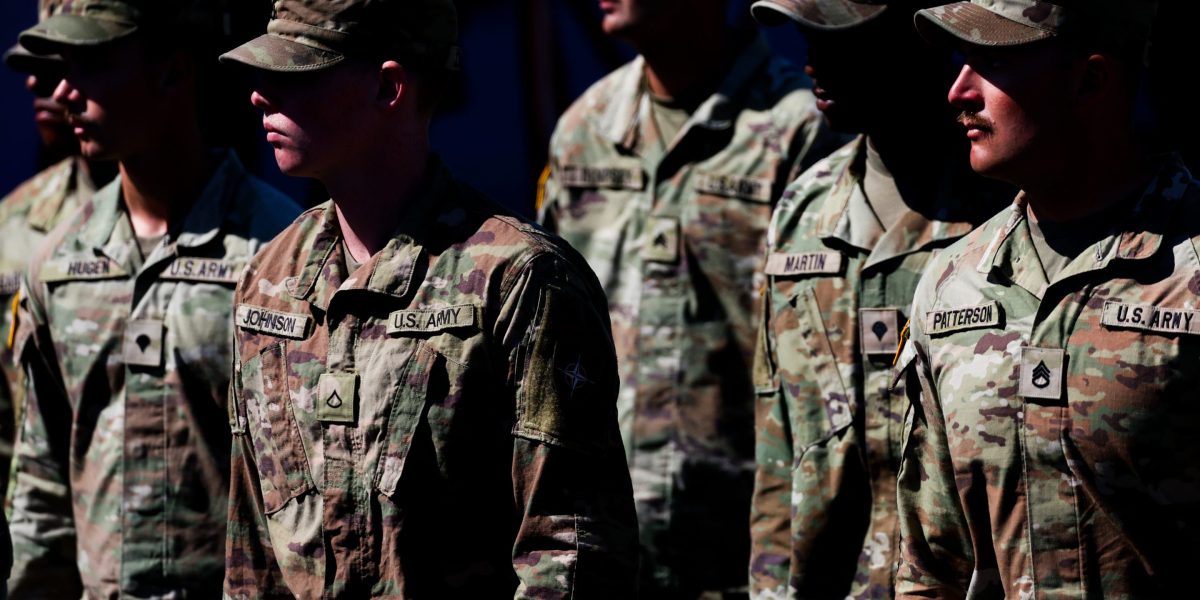
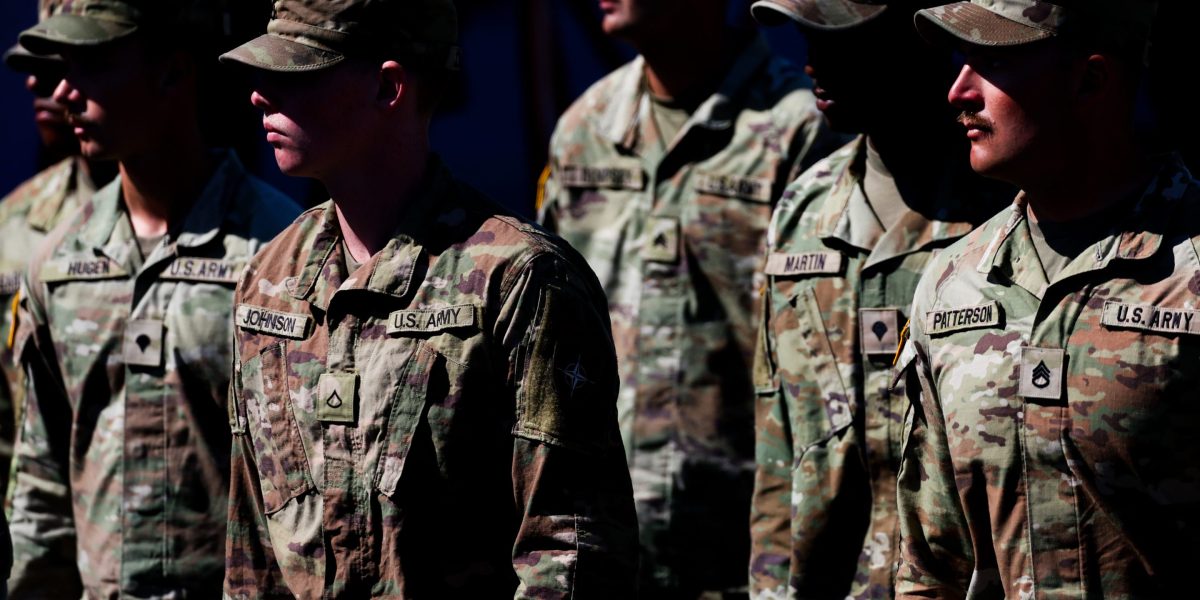
Defense spending has fallen to thirteen percent of the federal budget, down from forty-nine percent since nineteen sixty-two, according to Brookings Institution analysis.
Military share of GDP at World War II low
Defense spending accounted for two point eight percent of U.S. GDP in twenty twenty-six and is expected to remain at approximately three percent through twenty thirty.
China narrows military advantage gap
The RAND National Security Research Division warned three years ago that China has largely negated U.S. military advantage in the Western Pacific through two decades of focused military investment.
Mandatory spending and debt squeeze defense
Social Security, Medicare and Medicaid totaled nearly three point five trillion dollars in fiscal year twenty twenty-six, while interest payments on the national debt reached one point one four trillion dollars.
Congress faces impossible budget choices
The newly elected Congress must choose between defense, Social Security, Medicare and Medicaid as interest costs rise. Advocates for military strength must prepare to do more with less.
Here's the gist
Defense spending has fallen to thirteen percent of the federal budget, its lowest share since nineteen sixty-two, as mandatory spending and debt costs crowd out military investment.
Read the TL;DR — this story on one card.