From Fortune · Vivek Astvansh · · 1m 50s
Walmart's closure leaves nearby stores 20% worse off
When Walmart leaves a shopping area, neighbouring businesses lose more customers than they gain from reduced competition.
In brief
When Walmart leaves a shopping area, neighbouring businesses lose more customers than they gain from reduced competition. Marketing scholars found nearby stores lose roughly 20% in sales a year after a Walmart closure, as the anchor store's traffic-drawing power outweighs competitive relief. Originally reported by…
The assumption about Walmart closures
When Walmart closes, competitors expect shoppers seeking groceries, household goods and services will flow to nearby businesses instead.
What the research actually found
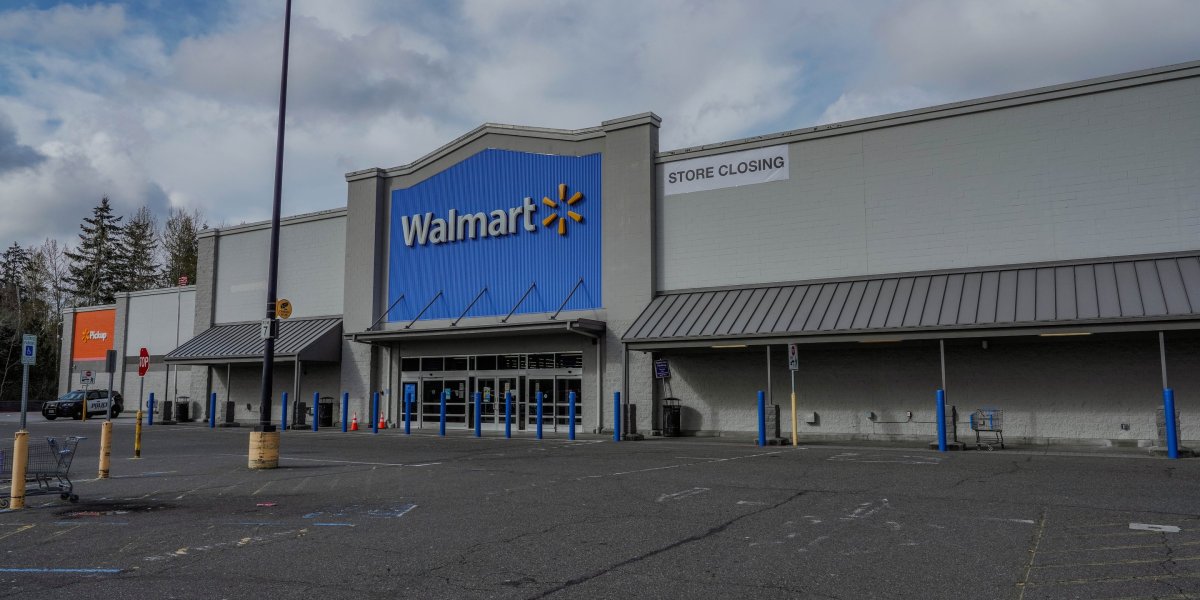
Marketing scholars studied 39 Walmart closures across 20 states from 2019 to 2026. Nearby stores saw roughly 25 percent drops in both shopper traffic and sales revenue.
Walmart plays two roles at once
Walmart competes with neighbouring businesses for shopper visits and spending. But it also acts as an anchor, giving people a reason to travel to a shopping area.
How anchor stores work
Shoppers decide where to go before deciding which stores to visit. A trip to Walmart can generate stops at nearby restaurants, pharmacies, salons and other businesses.
The competing forces after closure
A Walmart closure creates a tug-of-war. Competitive relief helps nearby businesses because a rival is gone. But agglomeration loss hurts them because fewer shoppers visit the area.
The decline worsens over time
Following a Walmart closure, nearby stores experienced roughly 5 percent drops in the following month and 6 percent in the month thereafter. The decline reaches about 20 percent a year later.
Which stores fare better
Stores competing directly with Walmart had better post-closure sales than non-competing stores. Well-known brands also fared better than unbranded businesses. Online sales also protected retailers from anchor closure.
What property owners and governments must do
Commercial property owners should treat losing an anchor as more than risking an empty storefront. Local governments should extend responses beyond the vacant property to improve shoppers' access and create new destinations.
The takeaway
Marketing scholars found nearby stores lose roughly 20% in sales a year after a Walmart closure, as the anchor store's traffic-drawing power outweighs competitive relief.