From Fortune · Florian Otto · · 2m
Why America still needs immigrant founders
A German founder on the outsider's eye, the missing startup visa, and what actually kills innovation.
In brief
A German founder on the outsider's eye, the missing startup visa, and what actually kills innovation. America's edge comes from people willing to bet, policy that lets them stay, and rules clear enough to be worth following. Originally reported by Fortune.
Two ways to build
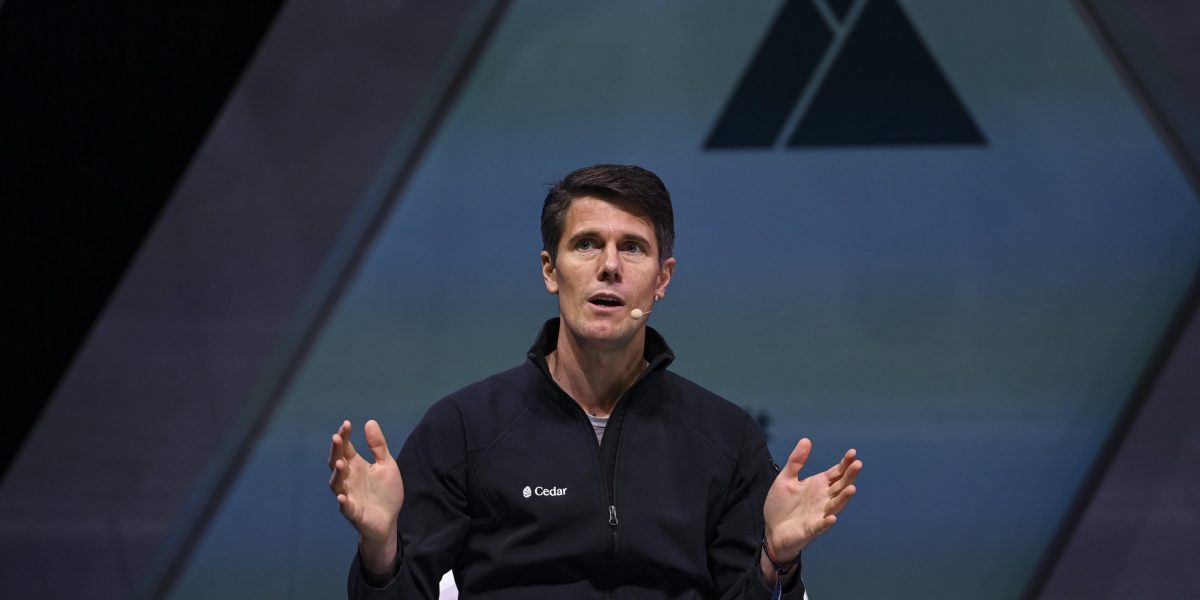
Germany prizes precision and getting it right the first time. That rigor perfects existing systems, but starting a company from nothing is a different bet entirely.
The reaction that told him everything
When he pitched the idea behind Cedar, fixing medical billing, Americans said the problem was real and he could probably build something better. A German audience would have asked why the old system exists.
Encouragement beats caution
That gap, opportunity over risk, is not a cultural quirk. It runs on three things: people willing to bet, policy that lets them stay, and regulation clear enough to make the bet worth it.
“That difference, encouragement over caution, opportunity over risk, is not a minor cultural quirk.”
Immigrants are the system
Immigrants founded or co-founded 59% of America's private billion-dollar startups this year, up from 55%. Nearly 80% of US unicorns have an immigrant founder or immigrant in key leadership.
“Immigrants aren't marginal contributions to a system built by others; they are the system.”
Not just young companies
In 2025, 231 Fortune 500 companies, 46.2% of the list, were founded by immigrants or their children. They generate $8.6 trillion in revenue and employ over 15 million people worldwide.
Seeing more than one normal
He grew up with German healthcare running smoothly. Arriving to confusing American billing was a genuine shock, and that shock, not market analysis, became Cedar's founding thesis.
“we tend to arrive with a wider aperture for what's broken, precisely because we've seen more than one version of normal”
No net, less fear
Founders with deep US networks have farther to fall and more ways back. Immigrants often have neither, so public failure carries less social weight and the leap feels smaller.
“If you have already left behind one country, one language, one set of assumptions about your own life, building a company that might not work is a smaller leap than it looks”
Why Cedar rebuilt instead
Incumbents already worked on patient billing, and advisors would have pushed partnership or incremental fixes. They built something structurally different because starting over felt less threatening.
The missing startup visa
The US has no dedicated startup visa. A founder with a promising idea and no employer sponsor has few reliable paths to stay and build here.
“the country whose entire national identity is built on risk-taking makes it disproportionately hard for the risk-takers themselves to actually stay”
The AI race runs on this
US institutions employ 59% of the world's elite AI researchers, a lead built almost entirely on foreign-born talent. Uncertainty redirects whole cohorts toward countries with clearer answers.
Ambiguity kills, not rules
Healthcare, finance and defense founders underestimate how compliance compounds, especially with state and federal rules stacked unevenly. Demanding rules are navigable; unclear ones are not.
“What kills innovation is not rules; it's ambiguity.”
Here's the gist
America's edge comes from people willing to bet, policy that lets them stay, and rules clear enough to be worth following.


