From Fortune · Aamer Madhani · · 3m
Why oil prices aren't worse: thank China
China's massive strategic oil reserves are quietly protecting the global economy from Trump's Iran war.
In brief
China's massive strategic oil reserves are quietly protecting the global economy from Trump's Iran war. China's decision to slash oil imports by drawing down its 1.4 billion barrel strategic reserve has been the single biggest factor keeping oil prices from hitting worst-case scenarios during the Iran conflict…
War didn't break oil markets
When Trump launched his Iran war in late February, analysts warned oil could more than double. Six months in, prices remain volatile but worst-case scenarios haven't materialized.
Xi's energy strategy is the reason
Chinese President Xi Jinping, visiting Washington next week, could credibly argue the world has China's energy strategy to thank for keeping oil prices from spiking catastrophically.
America is free-riding on Beijing
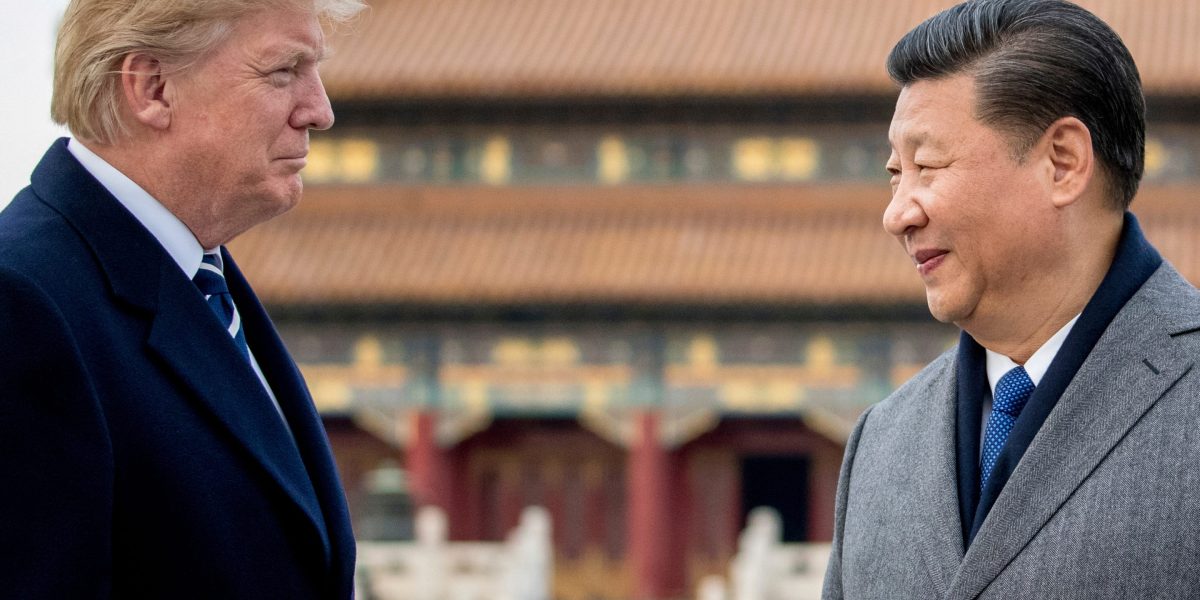
China cut crude imports dramatically to protect itself from economic damage, but the move also eased global demand and softened price effects for the U.S., Europe and beyond.
“"We've been free-riding off Beijing in a weird way," said Rosemary Kelanic, director of the Middle East program at Defense Priorities.”
China built the world's largest reserve
Beijing spent years and billions amassing 1.4 billion barrels of oil by the end of last year, making energy self-reliance a cornerstone of its latest five-year plan.
Imports dropped 32 percent
As the U.S. and Israel began bombardment and Iran closed the Strait of Hormuz, China cut crude imports from 12.3 million barrels per day to 8.1 million in the second quarter.
Electric vehicles helped too
China's shift toward electric vehicles in recent years and tapping into other energy alternatives also reduced its need for crude oil during the conflict.
Current prices hover near $100
Brent crude averaged $69 per barrel last year and currently hovers around $100, having briefly peaked at $126 in late April.
Prices could still spike sharply
Bank of America forecasts $83 per barrel for the second half of 2026, but warns that escalating violence could push prices to $95-$120, or even $150 if major energy infrastructure is damaged.
Red Sea attacks threaten stability
Iran-backed militias attacked a Saudi pipeline this month, and Houthis seized strategic Red Sea islands, threatening to disrupt shipping and test China's remaining reserves.
Trump and Xi have deep disagreements
The Trump administration has urged China to use economic leverage against Iran, but Beijing opposes the U.S. war and bristles at threats to pressure nations doing business with Tehran.
China acted from self-interest
Analysts say Beijing built its massive stockpile primarily for contingency planning around Taiwan, not altruism. Using reserves now has been far from ideal, but skyrocketing oil prices would have hurt China worse.
Trump downplays China's contribution
The White House hasn't credited China with moderating prices. Trump claimed early on that dire projections were wrong, without acknowledging Beijing's import cuts as the reason.
Here's the gist
China's decision to slash oil imports by drawing down its 1.4 billion barrel strategic reserve has been the single biggest factor keeping oil prices from hitting worst-case scenarios during the Iran conflict.