From Fortune · Sasha Rogelberg · · 1m 40s
Your groceries cost more because of BNPL
Nearly a third of Americans now finance groceries, and researchers say the merchant fees land in everyone's cart.
In brief
Nearly a third of Americans now finance groceries, and researchers say the merchant fees land in everyone's cart. Buy now, pay later was built for high-margin furniture, not milk and eggs, and stores recover the fee by raising prices for every shopper. Originally reported by Fortune.
One in three at checkout
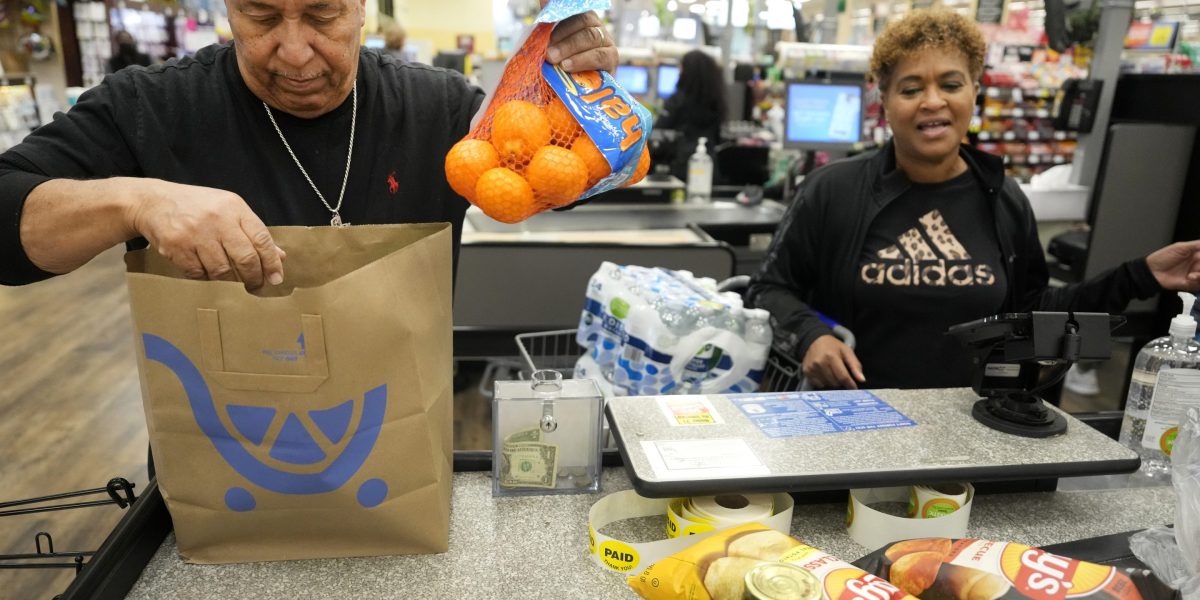
Roughly 29% of Americans say they have used Klarna, Affirm or a similar app to pay for groceries. Two years ago it was 14%.
Researchers ran the numbers
A Washington University in St. Louis study, due in Management Science, modeled what happens when shoppers finance necessities. Stores raise sticker prices and cut inventory.
Everyone pays the fee
Retailers owe a merchant fee on every BNPL transaction, so they bake it into prices. Shoppers paying in full end up subsidizing the ones who financed.
“All of us are going to pay for these practices that are out there.”
Built for couches, not eggs
BNPL was designed for furniture and gaming consoles, where fat margins absorb the fee. Groceries run on thin margins, so the math stops working.
Fewer things on the shelf
When an item stops being profitable under BNPL, the store can simply stop stocking it. Shoppers get higher prices and less choice at the same time.
“Why does it really make sense for the retailer?”
The phantom debt pile
These lenders are largely unregulated and often skip credit bureau reporting. Some people juggle five to ten loans at once with no record anywhere.
Small loans, real edges
The average balance is about $135, and people tend to repay it first. Still, 47% of users were late on a payment last year, and the heaviest borrowers are invisible.
“There are some people that are living at the edge that are really overborrowing, and nobody knows about it.”
What matters most
Buy now, pay later was built for high-margin furniture, not milk and eggs, and stores recover the fee by raising prices for every shopper.