From Fox News · Andrea Margolis · · 1m 50s
A cheap ring may explain who wrote Jesus' sign
A 2,000-year-old ring from a desert fortress points to the clerks who signed Rome's orders in Pilate's name.
In brief
A 2,000-year-old ring from a desert fortress points to the clerks who signed Rome's orders in Pilate's name. Roman authority moved through subordinates, so "Pilate wrote it" can be true of the office without being true of the man. Originally reported by Fox News.
An old ring, a new reading

Researchers have reinterpreted a ring inscribed with a name tied to Pontius Pilate, the Roman governor who sentenced Jesus to death. The reading changes who likely wore it.
Fifty years in a drawer
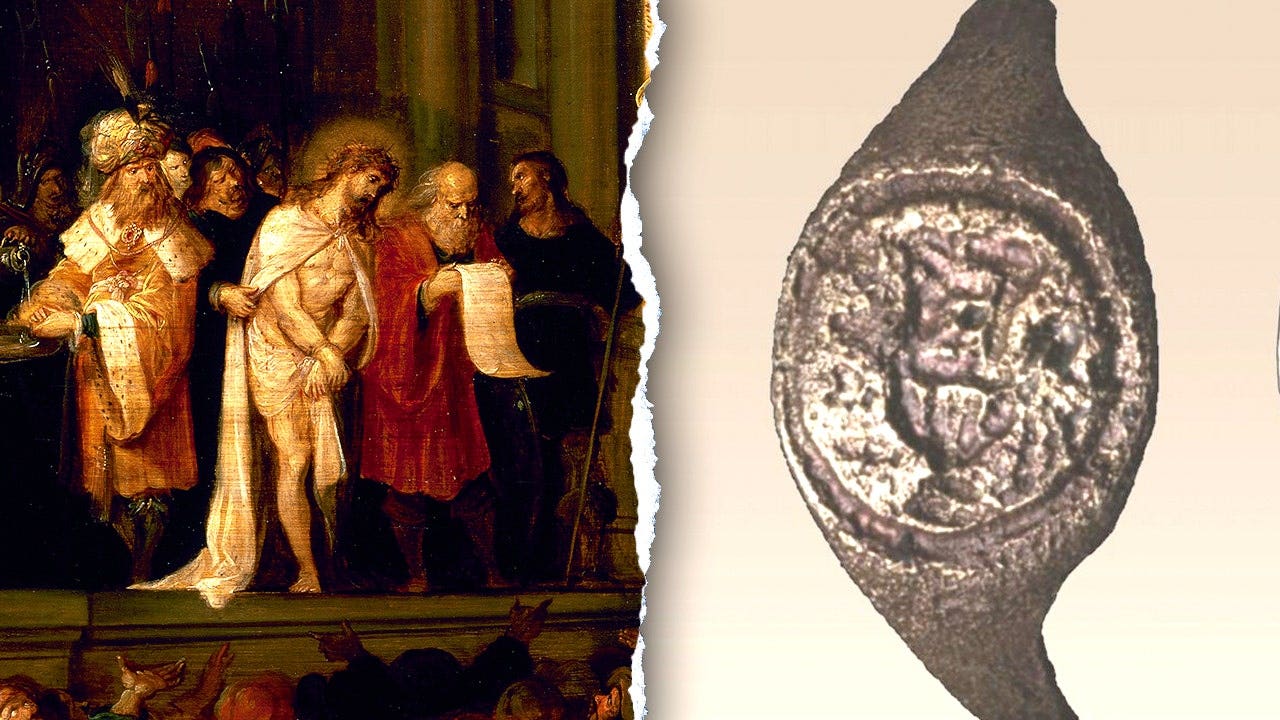
The ring was dug up at Herodium, a mountaintop fortress in the Judean desert, during 1960s excavations. It sat in storage for more than 50 years before anyone published details in 2018.
The Latin hiding in Greek
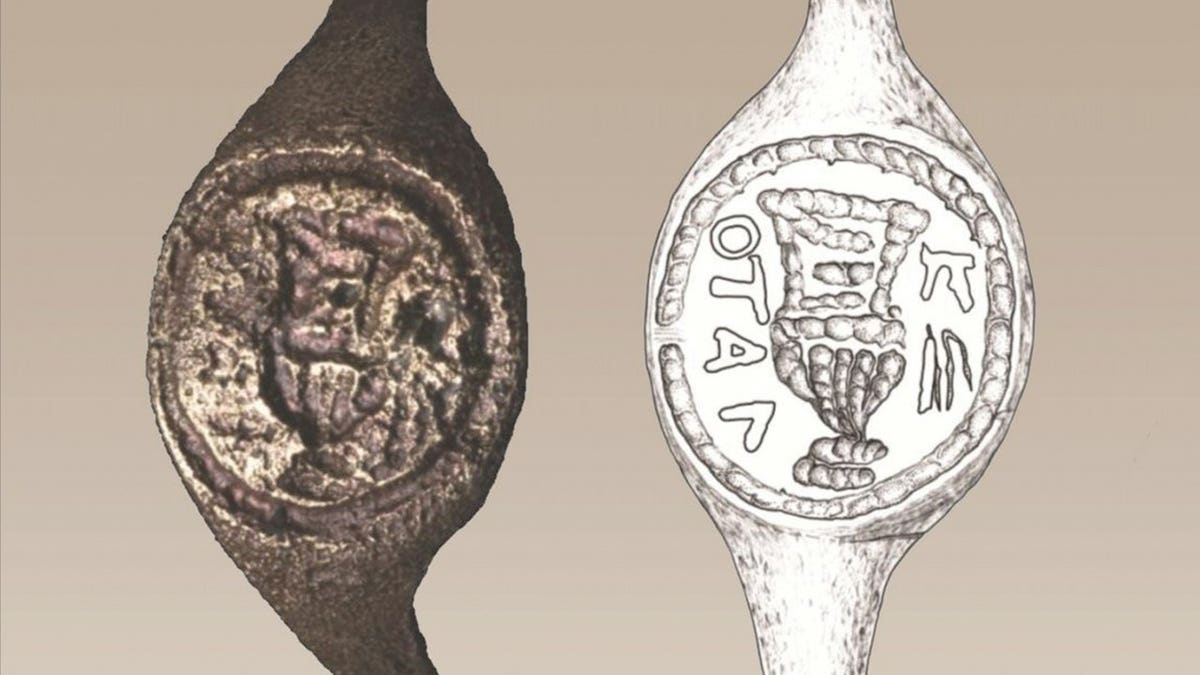
UCLA professor Catherine Bonesho argues the inscription spells the Latin PILATO in Greek letters, meaning "for Pilate" or "to Pilate." Earlier readings called it a garbled "belonging to Pilate."
Not the governor's hand
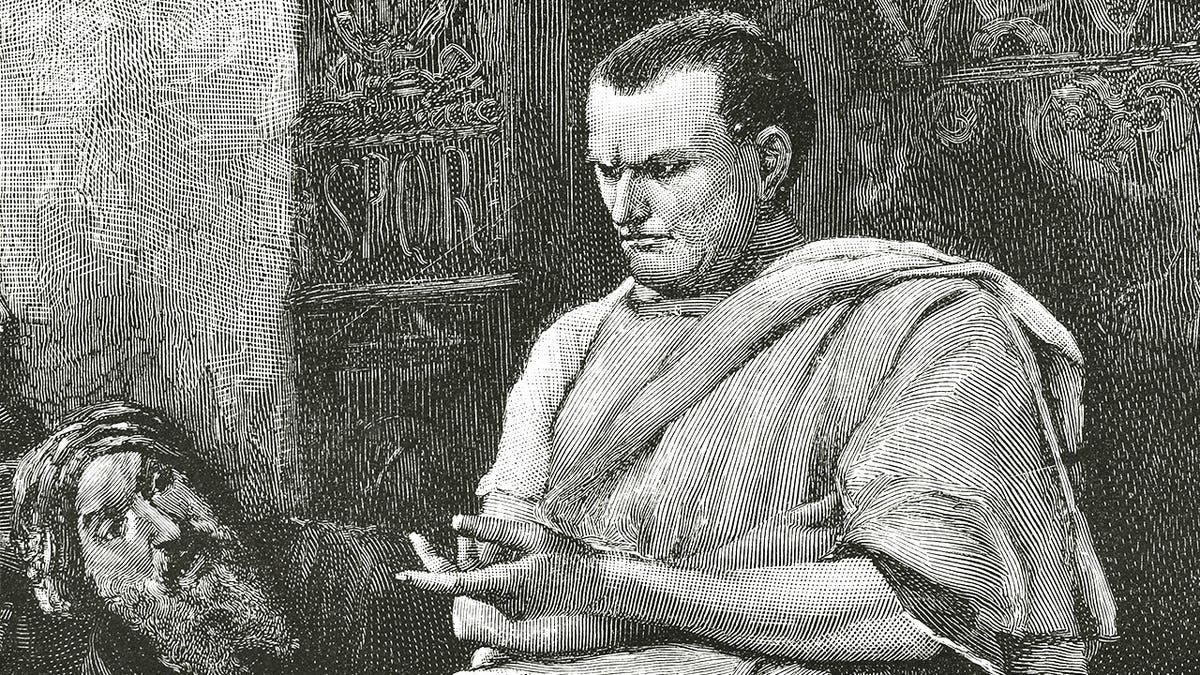
Bonesho concludes the ring probably never sat on Pilate's finger. A lower-status worker handling administrative business in his name is the better fit.
“Understanding the ring gives us more insight into what the Roman administration of early Roman Judea looked like.”
Cheap metal, big clue
Historian Candida Moss says the quality settles a long-running puzzle. A man running the whole province would not wear something this plain.
“This isn't an expensive ring, the kind of thing that you would expect the person who is the governor of the whole area to have.”
Seal rings and enslaved clerks
Bonesho notes that seal-ring users like secretaries were often enslaved or formerly enslaved. The object maps how power reached the bottom rungs of Roman bureaucracy.
“Those who used seal rings, like secretaries, are more likely to have been enslaved or formerly enslaved workers.”
Borrowed authority, stamped
A subordinate pressing Pilate's seal into wax carried the governor's weight, and Rome's behind it. The decision was his in name, not in hand.
“They used his ring to kind of set a seal and show that they had the authority.”
Who wrote 'King of the Jews'
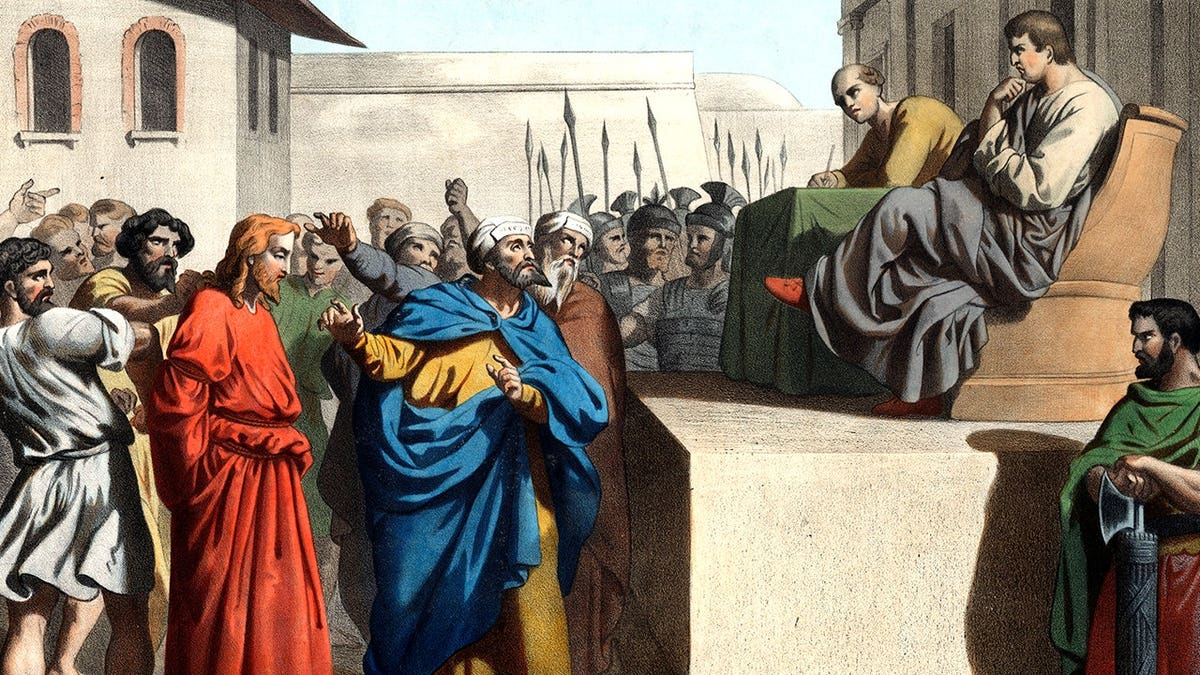
John's Gospel says Pilate wrote the placard nailed above Jesus. Moss says delegation explains it: the governor ordered the words, someone under him put them on the board.
“He delegated that work to someone else.”
The essence
Roman authority moved through subordinates, so "Pilate wrote it" can be true of the office without being true of the man.