From Fox News · Kurt Knutsson, CyberGuy Report · · 5m
Nearly $1M lost in LinkedIn romance scam
A woman shares how a two-year online deception cost her almost a million dollars and what warning signs she missed.
In brief
A woman shares how a two-year online deception cost her almost a million dollars and what warning signs she missed. Romance scammers build trust slowly over months, return initial payments to seem credible, and use stolen identities and personal information from social media to target victims. Originally reported by…
LinkedIn message sparked a two-year scam
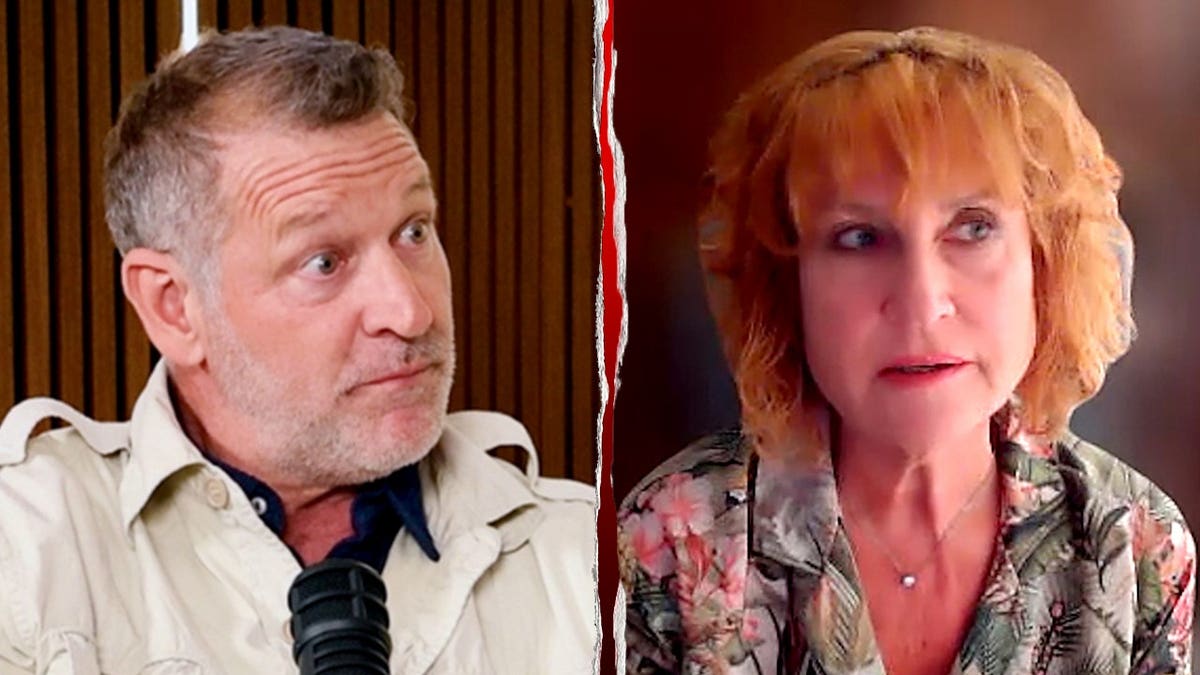
In March 2019, Gaby received a LinkedIn message from someone who appeared connected to a former colleague. Over roughly two years, she sent nearly $1 million to a man she never met.
The fake profile borrowed credibility
The stranger appeared connected to one of Gaby's former colleagues on LinkedIn, which made her lower her guard. Scammers study social media to shape convincing approaches and exploit mutual connections.
LinkedIn felt safer than dating apps
Gaby primarily used LinkedIn for business contacts, so a message from a stranger there felt less risky than a dating app. That sense of safety made her more willing to engage.
He claimed to work in gemstones
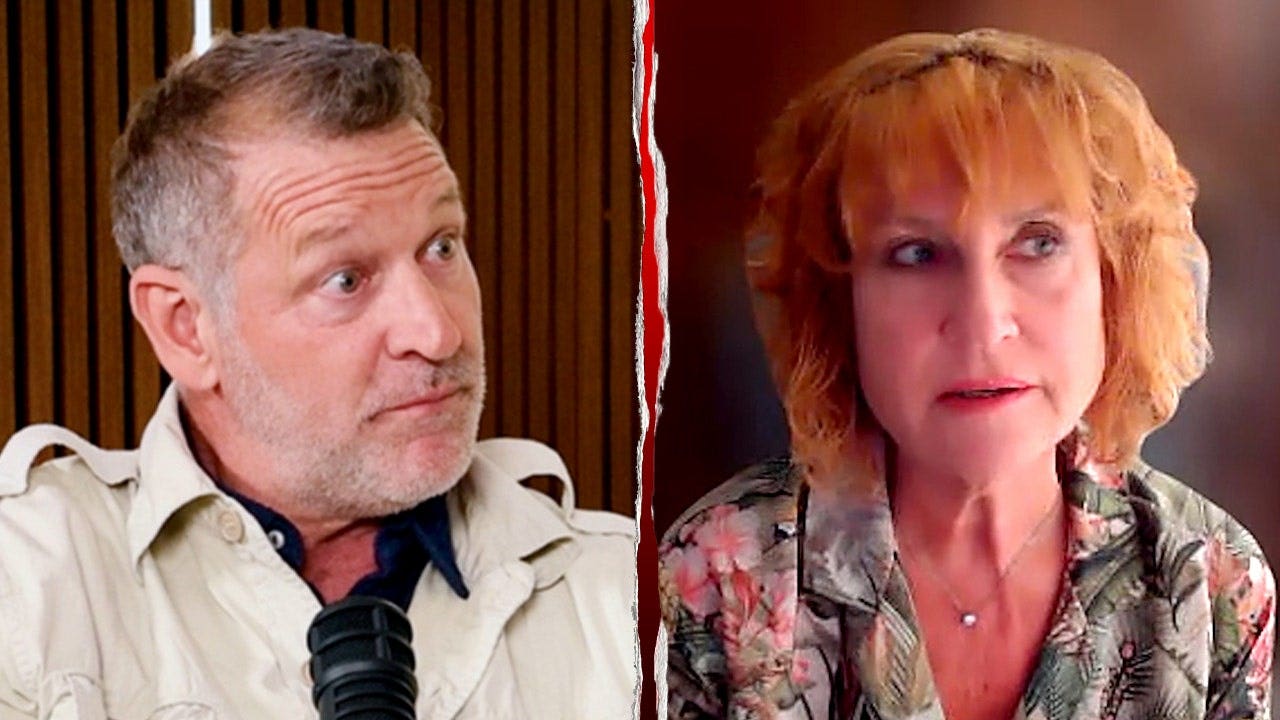
The fake Brian said he worked in the gemstone trade and had traveled to Vietnam. After weeks of conversation about his business, he claimed his bank account had been blocked.
First request was only $10,000
Gaby sent about $10,000 to help with his supposed banking problem. Then something unexpected happened that changed everything: he gave the money back.
“I started to trust him because he sent me back money.”
Repayment created false trust
By returning her first payment, the scammer proved he seemed trustworthy. This made the next requests feel less risky because Gaby had seen what appeared to be proof he kept promises.
Requests escalated to tens of thousands

After the initial repayment, Gaby sent amounts of $10,000, $20,000, and $40,000 over time. Eventually he claimed he needed about $200,000 for taxes and customs fees.
Every plan to meet had an excuse
When Gaby considered traveling to Vietnam to see him, he said he was stressed and didn't want her seeing him at his worst. Later, COVID made travel difficult, and he always had another reason they couldn't meet.
Repeated cancellations are a red flag
The FBI identifies repeated meeting cancellations as a major romance scam warning sign. Scammers promise to meet, then cancel due to emergencies or obstacles, especially when months pass without in-person contact.
Medical emergency raised the stakes

The scammer shifted from business trouble to claiming he needed surgery. He told Gaby the surgery would prove her love, and she sent $500,000.
“Suddenly he told me he needs surgery to prove my love. I sent 500,000.”
Emotional groundwork came first
By the time the biggest financial request arrived, Gaby had communicated with this person for years. He had become part of her daily life and had returned money before, making the emergency feel credible.
The photos belonged to a real man
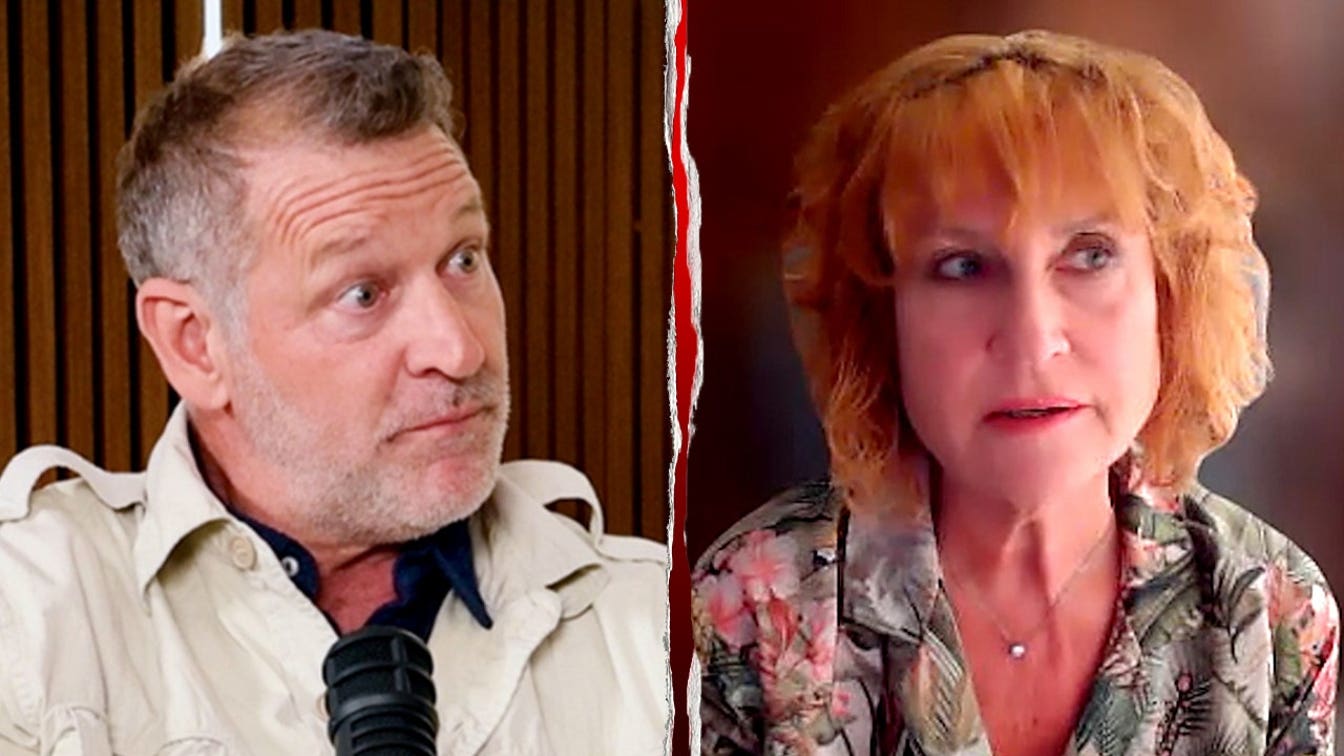
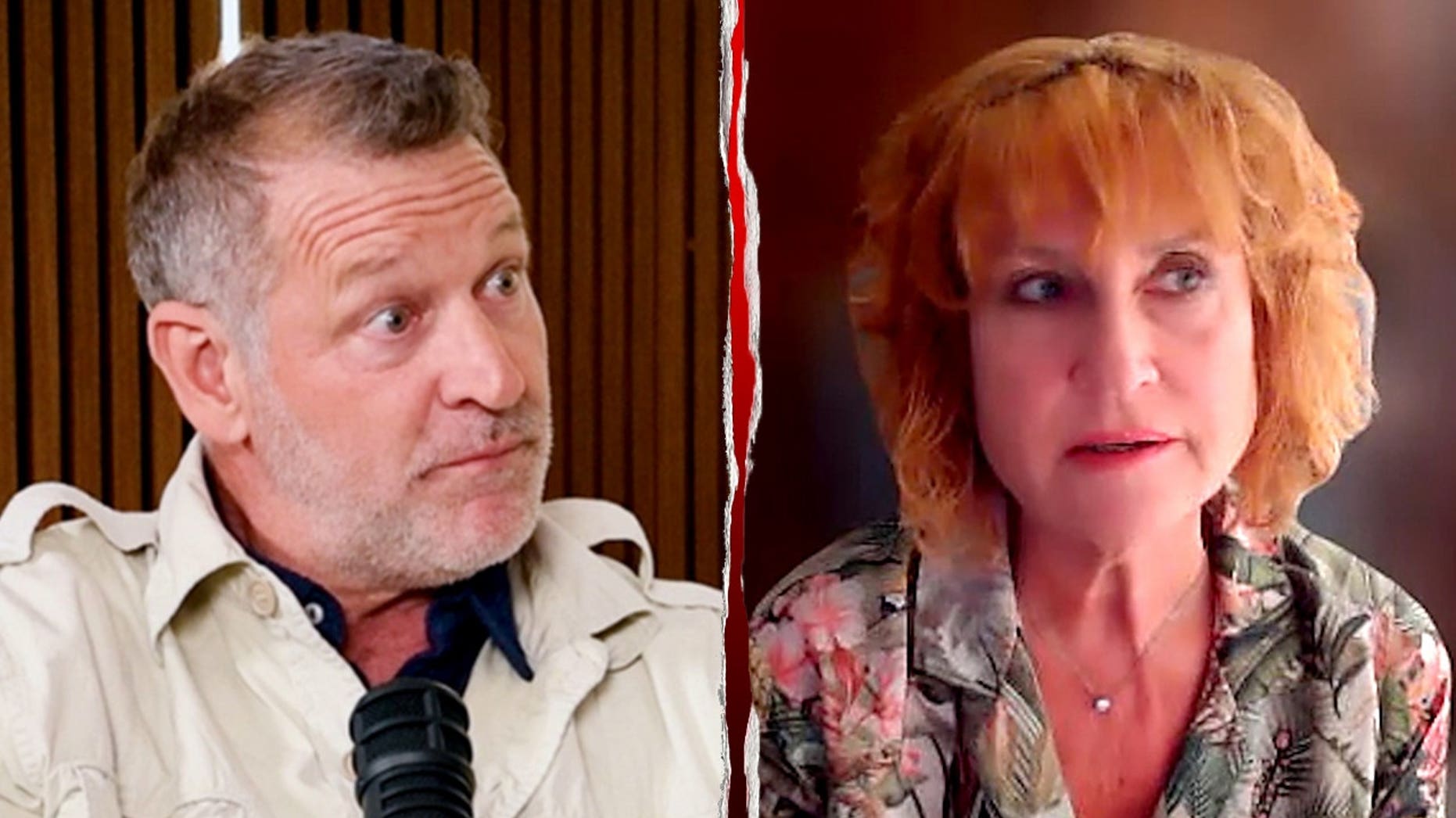
The person in the photographs was real: Brian Haugen. Scammers stole his photos from social media and used them on fake accounts with different names to approach women and ask for money.
Brian became a victim too

Brian discovered that multiple fake passports had been created with his photo under different names. He became nervous about traveling because his face was being used by scammers worldwide.
“there's multiple passports that have my photo on it in people's different names.”
Email verification finally exposed the lie
Gaby booked an online session with the real Brian Haugen and asked the fake Brian to send her an email from the legitimate Zoom account. He stalled for weeks and never produced it.
Social media is the scam starting point
According to FTC data from April 2026, nearly 60% of people who reported losing money to romance scams in 2025 said it started on social media. Reported losses reached about $298 million that year.
Limit what scammers can learn
Review your social media privacy settings and hide your friends list. Avoid publicly sharing details about your routine or upcoming travel. People-search websites can expose additional information scammers can use.
Verify identity independently
A familiar photo or mutual connection doesn't prove an account is real. Run a reverse image search on profile pictures and contact mutual connections separately. Video calls alone don't prove identity either.
Never send money to online lovers
Stop before sending money to someone you've never met, regardless of their story about surgery, frozen accounts, or emergencies. Also refuse requests to receive money and forward it elsewhere.
Save evidence and report quickly
If you discover a scam, save messages, emails, screenshots, and payment records. Contact your bank immediately and report the fraud to the FBI's Internet Crime Complaint Center and the FTC.
Watch for recovery scams next
Scam victims can be targeted again by recovery scammers who promise to get their money back for an upfront fee. Don't pay someone who unexpectedly contacts you claiming to represent a government agency or law firm.
What to remember
Romance scammers build trust slowly over months, return initial payments to seem credible, and use stolen identities and personal information from social media to target victims.