From Fox News · Efrat Lachter · · 3m
Netanyahu's coalition falls short of majority
Netanyahu's bloc loses parliamentary majority as Arab vote surge and Qatar election interference allegations emerge.
In brief
Netanyahu's bloc loses parliamentary majority as Arab vote surge and Qatar election interference allegations emerge. Netanyahu's coalition falls short of 61 seats needed for government, with Arab parties gaining 19 seats and Qatar interference allegations intensifying political uncertainty. Originally reported by Fox…
Netanyahu's coalition short of majority
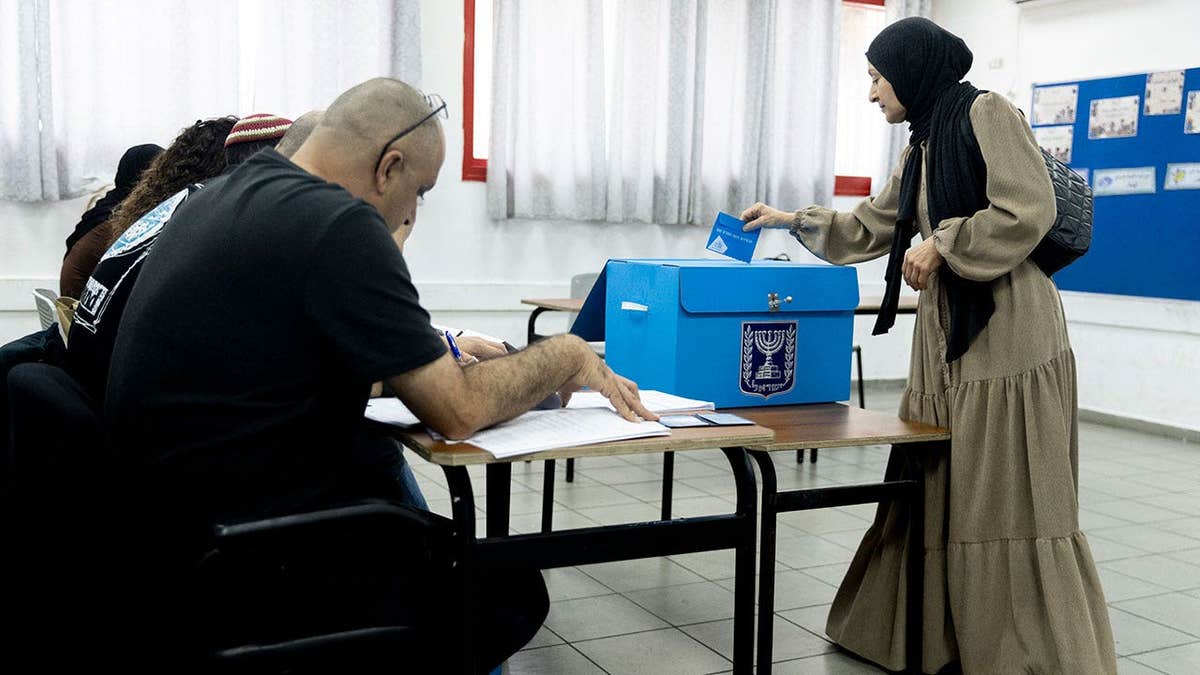
Israeli Prime Minister Benjamin Netanyahu's governing coalition remained well short of a parliamentary majority Thursday as newly counted ballots showed a dramatic surge in support for Arab parties.
Arab parties gain 19 seats
The two predominantly Arab parties were projected to secure a combined 19 seats, bringing the potential anti-Netanyahu parliamentary majority to 67.
Arab voter turnout surges
Arab voter participation reached approximately 80%, compared with 53.2% in the 2022 election, according to the Israel Democracy Institute.
Qatar interference allegations
Channel 12 reported that substantial sums originating in Qatar may have been transferred to influence voter participation in Arab communities.
Qatar denies interference
Qatari Foreign Ministry spokesperson Dr. Majed Al-Ansari wrote on X: 'We categorically deny allegations that Qatar has interfered in Israeli elections or funded any activities intended to influence their outcome.'
“We categorically deny allegations that Qatar has interfered in Israeli elections or funded any activities intended to influence their outcome.”
Election integrity concerns
Acting Central Elections Committee director general Dean Livne rejected the allegations, stating the Knesset elections were conducted lawfully with no basis for systematic violations of election integrity.
Netanyahu's coalition weakens

Netanyahu's Likud remained the largest individual party with 26 seats, followed by Eisenkot's Yashar party with 21 and Bennett's Beyachad party with 12.
Opposition seeks majority
The opposition bloc led by former military chief Gadi Eisenkot was projected to win 48 seats, potentially forming a majority with Arab parties.
Eisenkot's response
Eisenkot stated foreign involvement in Israel is unacceptable, particularly when it involves a country that funds and supports Hamas.
Likud's stance

Likud argued that suspected foreign interference made cooperation with Arab parties unacceptable, claiming it would undermine the legitimacy of the newly elected Knesset.
Potential unity government
A national unity coalition involving Netanyahu's Likud and Eisenkot's Yashar party could potentially exclude Arab parties and Netanyahu's far-right allies.
Ultra-Orthodox route
Netanyahu's projected 53 seats include 14 held by Shas and United Torah Judaism, which could form a 62-seat majority with Eisenkot's bloc.
Netanyahu remains caretaker

Netanyahu will remain caretaker prime minister until a new government is formed, a process that could take weeks or longer.
Political uncertainty
The election results show Netanyahu's coalition without the parliamentary majority required to govern on its own, leaving Israel in political uncertainty.
The key point
Netanyahu's coalition falls short of 61 seats needed for government, with Arab parties gaining 19 seats and Qatar interference allegations intensifying political uncertainty.