From Futurism · Victor Tangermann · · 1m 30s
Ancient continent hidden under Antarctic ice
Scientists found evidence that a massive supercontinent beneath Antarctica may have sparked early life on Earth.
In brief
Scientists found evidence that a massive supercontinent beneath Antarctica may have sparked early life on Earth. Antarctica likely harbored enormous mountains from an ancient supercontinent that played a key role in life's rapid evolution during the Cambrian explosion. Originally reported by Futurism.
Himalayan mountains formed half a billion years ago
Scientists believe enormous mountain ranges the size of the Himalayas formed roughly 500 million years ago when the supercontinent Gondwana took shape in Earth's southern hemisphere.
Gondwana shaped life on Earth
The supercontinent, which included Africa, South America, Antarctica, Australia, and the Indian subcontinent, may have kickstarted life by affecting global climate and biological processes.
Fragments found beneath Antarctic ice
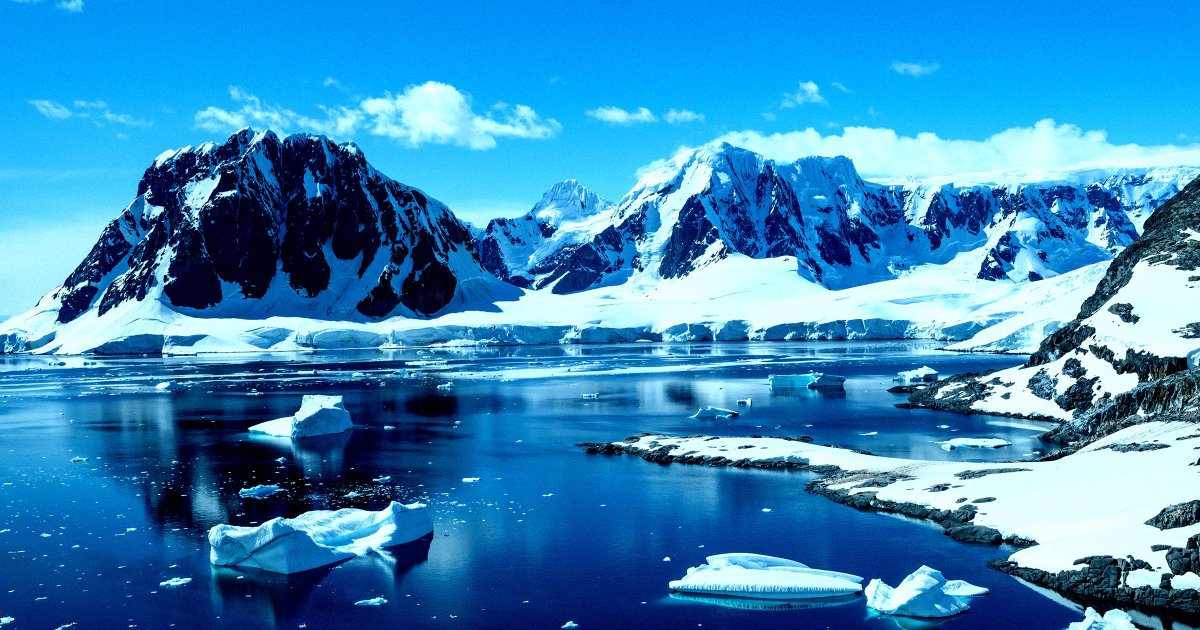
Two geologists from Australian National University discovered evidence of Gondwana fragments deep under Antarctica's ice shell using zircon minerals found in ocean sediments.
Zircons reveal ancient mountain locations
By analyzing zircons, minerals containing uranium and thorium that can be dated, researchers mapped where Gondwana's mountains once stood without drilling through Antarctica's thick ice.
Antarctica dominated early life's explosion
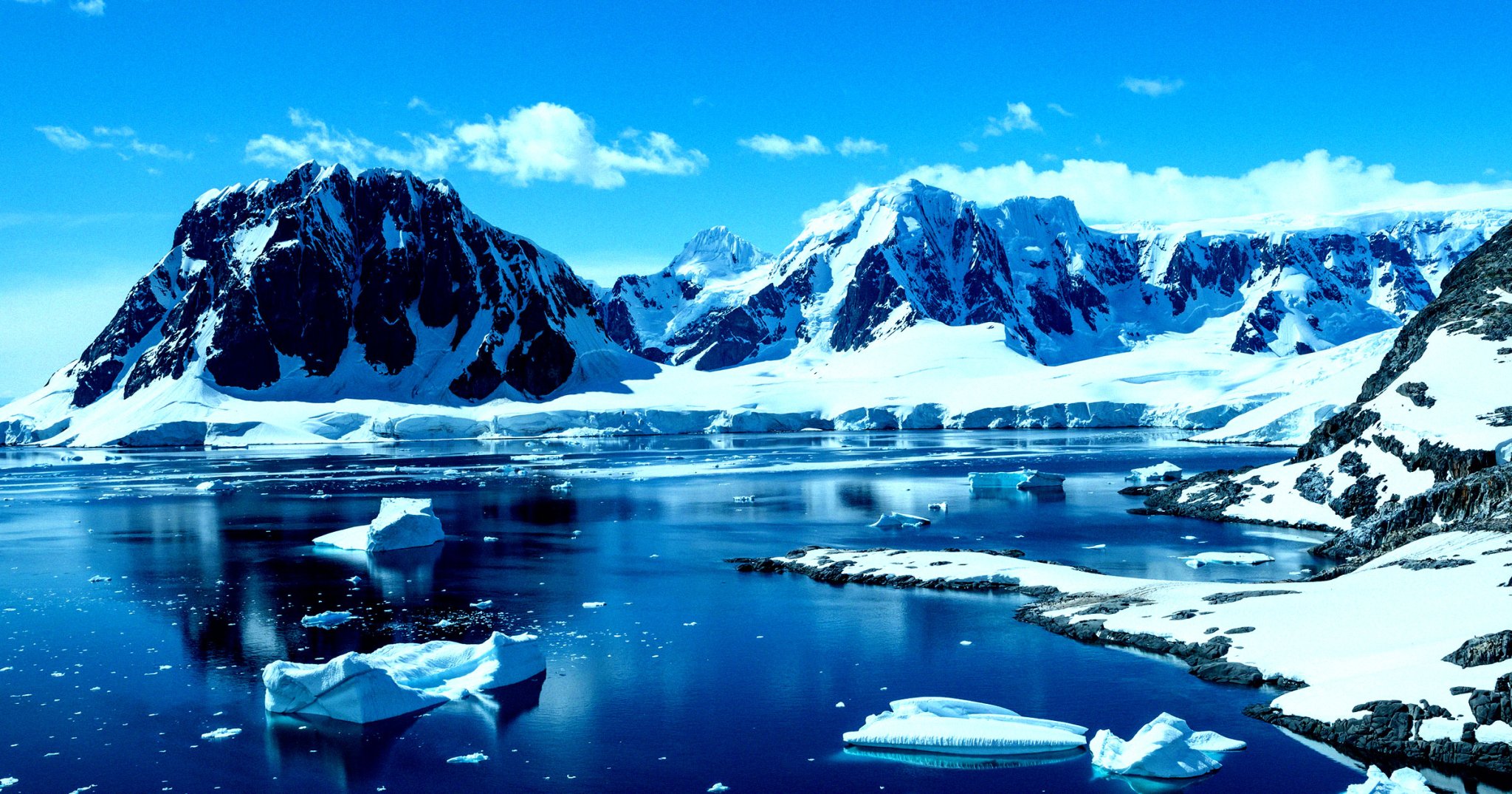
Between 650 and 450 million years ago, during the Cambrian explosion when life rapidly evolved, Antarctica supplied 46 percent of the world's zircons and 55 percent of high-pressure grains.
“Approximately 46 percent of the detrital zircons in the weighted global database, during the critical period from the base of the Cambrian to the end of the Cambrian explosion, and 55 percent of the high-pressure grains, were derived from Antarctica.”
Himalayan mountains still hidden under ice
Antarctica likely conceals remnants of massive mountains that once allowed life to flourish, now buried beneath its deep ice sheet for hundreds of millions of years.
What it means
Antarctica likely harbored enormous mountains from an ancient supercontinent that played a key role in life's rapid evolution during the Cambrian explosion.





