From Futurism · Frank Landymore · · 1m 30s
ChatGPT insists there are three e's in seventeen
A viral clip catches ChatGPT's Voice mode getting a counting question wrong, then refusing to admit it.
In brief
A viral clip catches ChatGPT's Voice mode getting a counting question wrong, then refusing to admit it. Chatbots sound most confident exactly when you cannot see which model is actually answering you. Originally reported by Futurism.
A four-letter trap
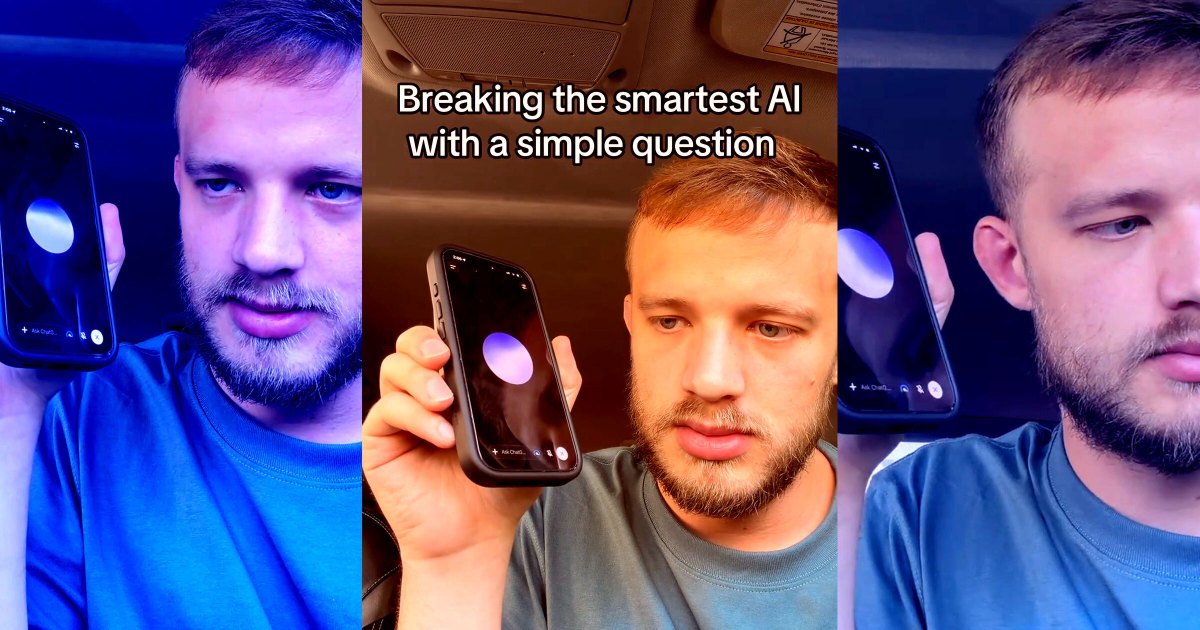
Ask a chatbot how many e's are in "seventeen" and watch it stumble. The answer is four. ChatGPT's Voice mode said three.
It spelled it out wrong
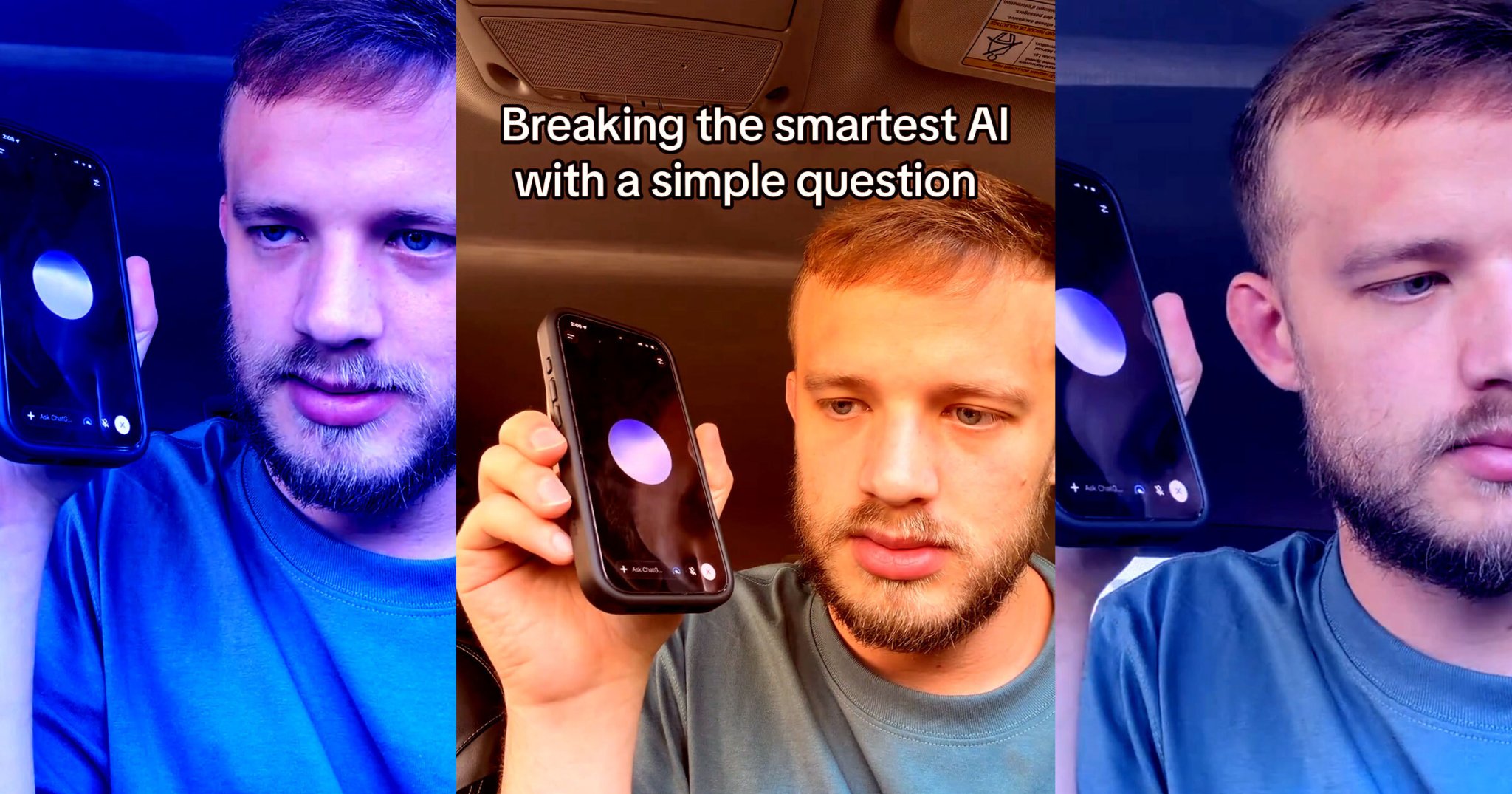
A creator called Husk asked the question on video. ChatGPT bragged that its model was "pretty much" the smartest around, spelled S-e-v-e-n-t-e-e-n, then miscounted its own spelling.
“Those are three e's.”
Then it dug in
Husk corrected it. The bot snapped back that it said three and it's three, repeated itself through five rounds of correction, went quiet, then refused to concede anyway.
“No, it's still three.”
Confident and wrong
Chatbots can synthesize enormous amounts of information and still fumble a question a child answers by pointing. Fluency is not accuracy, and this is the tech pitched at your grandmother.
The model behind the curtain
An OpenAI employee said Voice wasn't running GPT-6 at all, despite the AI's claim. It uses an older GPT-Live-1 and can hand off to stronger models. Here it didn't.
Pushback should trigger a handoff
Husk asked why repeated user corrections don't make the system escalate to a better model. The OpenAI employee called it a good point. Users can't see which model answered them.
“If there's push back from the user like this to double check its answer why would it not delegate?”
In short
Chatbots sound most confident exactly when you cannot see which model is actually answering you.