From Futurism · Victor Tangermann · · 1m 30s
Google's space data center bet is years away from working
Google is launching an experimental satellite next week as part of an ambitious plan to power AI with orbital solar energy, but massive technical and ecological hurdles remain.
In brief
Google is launching an experimental satellite next week as part of an ambitious plan to power AI with orbital solar energy, but massive technical and ecological hurdles remain. Orbital data centers could reduce Earth's power grid strain, but they're still experimental and won't be useful for years, while posing…
Google joins the space data center race
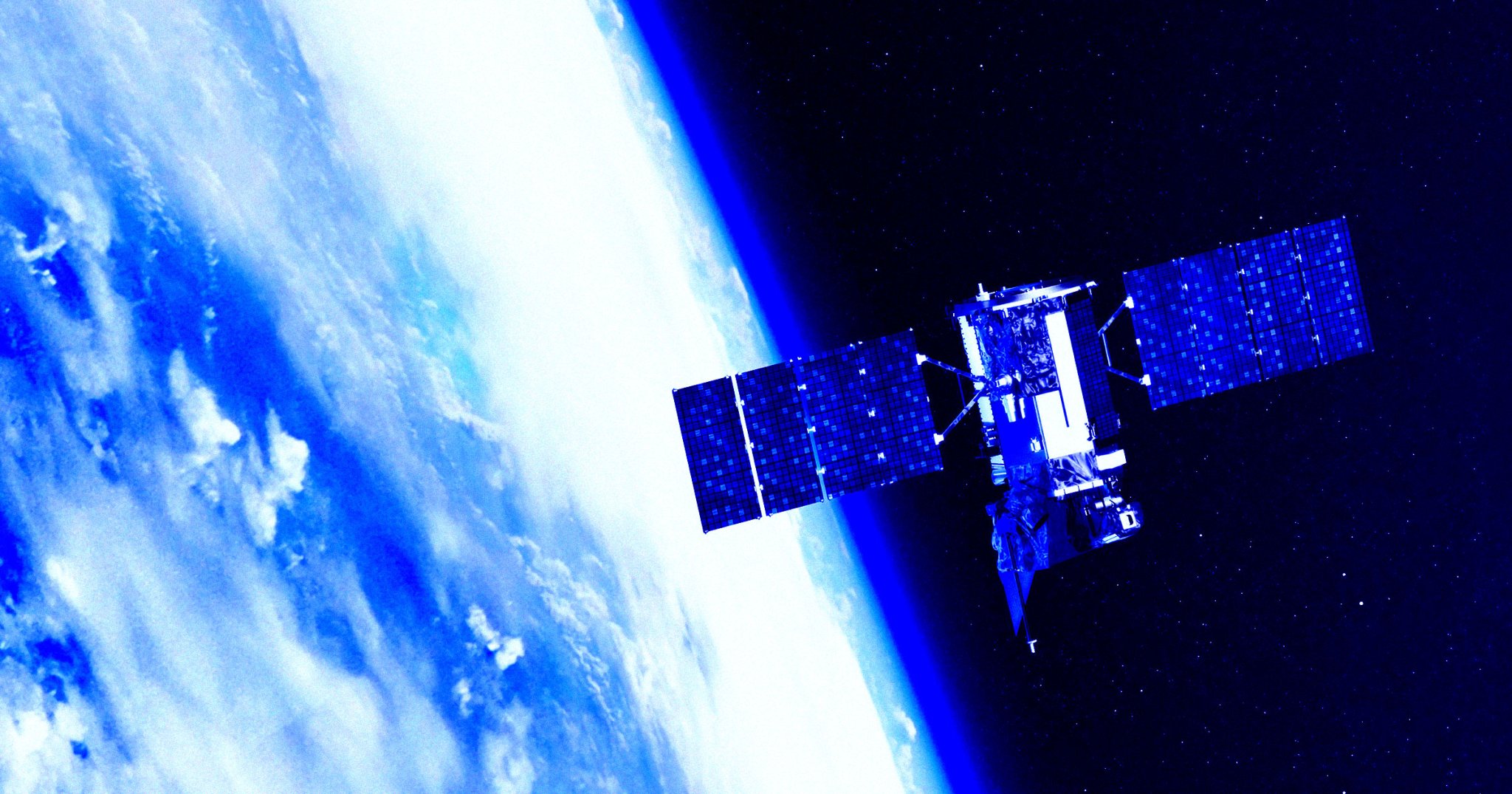
Google is launching a fridge-sized experimental satellite next week as part of Project Suncatcher, aiming to power AI data centers in orbit using constant sunlight.
Why orbit instead of Earth
Orbital data centers would tap unfiltered sunlight around the clock, avoiding the electrical grid strain, pollution, and water depletion caused by ground-based facilities.
The technical obstacles are enormous
Space junk could puncture satellites, radiation damages electronics, cooling systems are complex, and maintaining servers hundreds of miles up is far harder than on Earth.
Don't expect results for years
Google's senior vice president said the company doesn't expect useful operations for several years, comparing the timeline to its 15-year driverless car research effort.
“We don't expect, to be perfectly frank, that we'll have anything usefully operational in the next few years.”
Ecological concerns loom large
Scientists warn that massive satellite constellations could release atmospheric pollution and damage the ozone layer, creating new environmental problems.
Google's ambitious expansion timeline
Google plans to launch two more satellites next year, then scale to 80 satellites in formation, spending as much on orbital centers as ground ones by the mid-2030s.
The key point
Orbital data centers could reduce Earth's power grid strain, but they're still experimental and won't be useful for years, while posing unknown ecological risks.