From Futurism · Victor Tangermann · · 1m 30s
Mercury is shrinking faster than we thought
A new study says the solar system's smallest planet has lost up to 14.5 miles of diameter, and its wrinkled crust hid the evidence.
In brief
A new study says the solar system's smallest planet has lost up to 14.5 miles of diameter, and its wrinkled crust hid the evidence. Mercury's shrinkage is a thermometer for its insides: the faster it shrinks, the more it tells us about its core, its composition and how hot it started. Originally reported by Futurism.
The planet that keeps shrinking
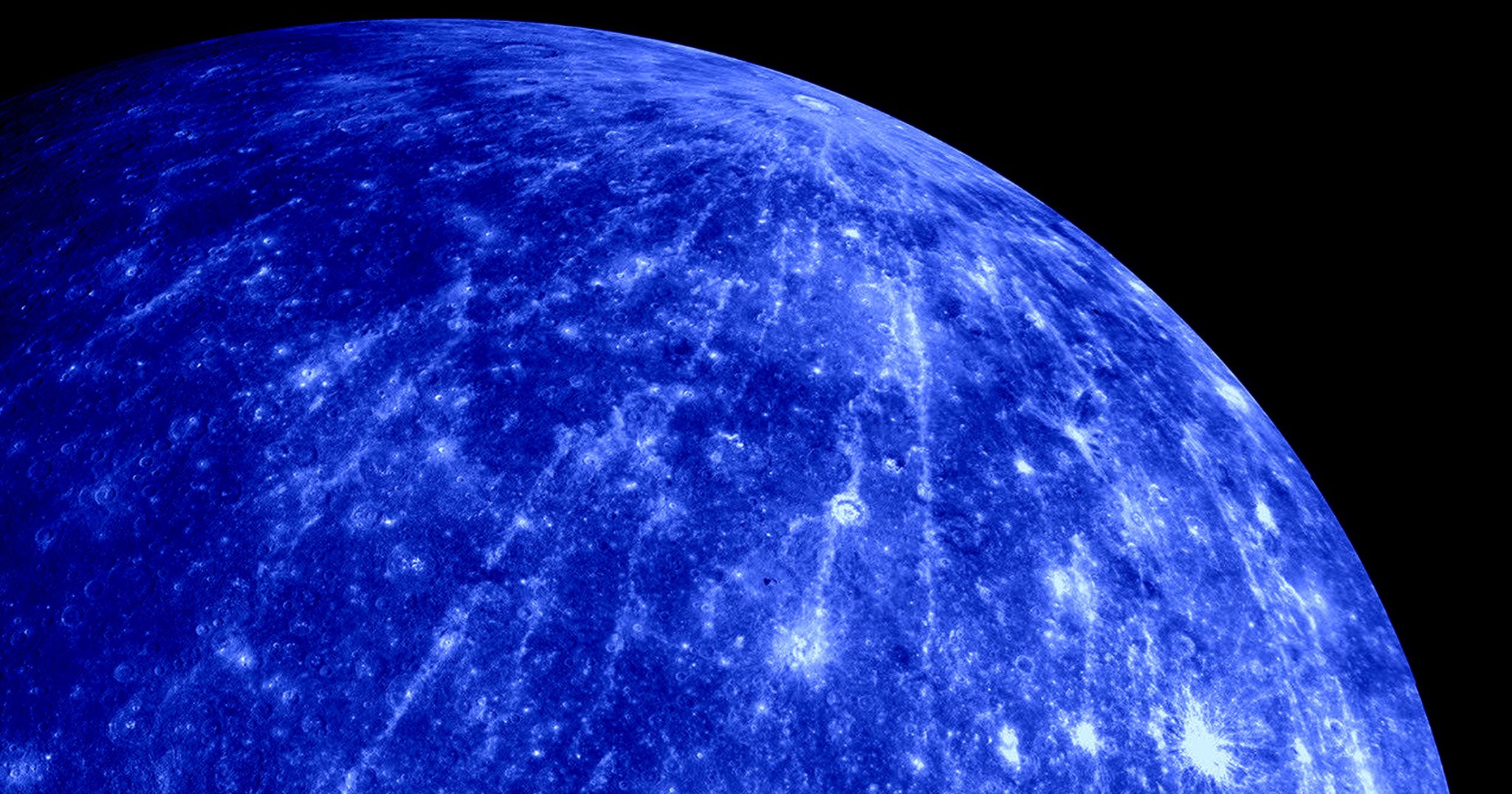
Mercury has been contracting for billions of years, and its surface has cracked into wrinkles as it goes. Scientists compare the look to an old apple.
“leaving cracked-up wrinkles behind like an old apple”
Already the smallest
At one-third the width of Earth, Mercury is the smallest planet in the solar system. It is not giving up that title anytime soon.
Up to 14.5 miles lost
A team at the German Aerospace Center's Institute of Space Research found Mercury may have lost 14.5 miles of total diameter, 10 to 30 percent more than earlier estimates.
A balloon left out in the cold
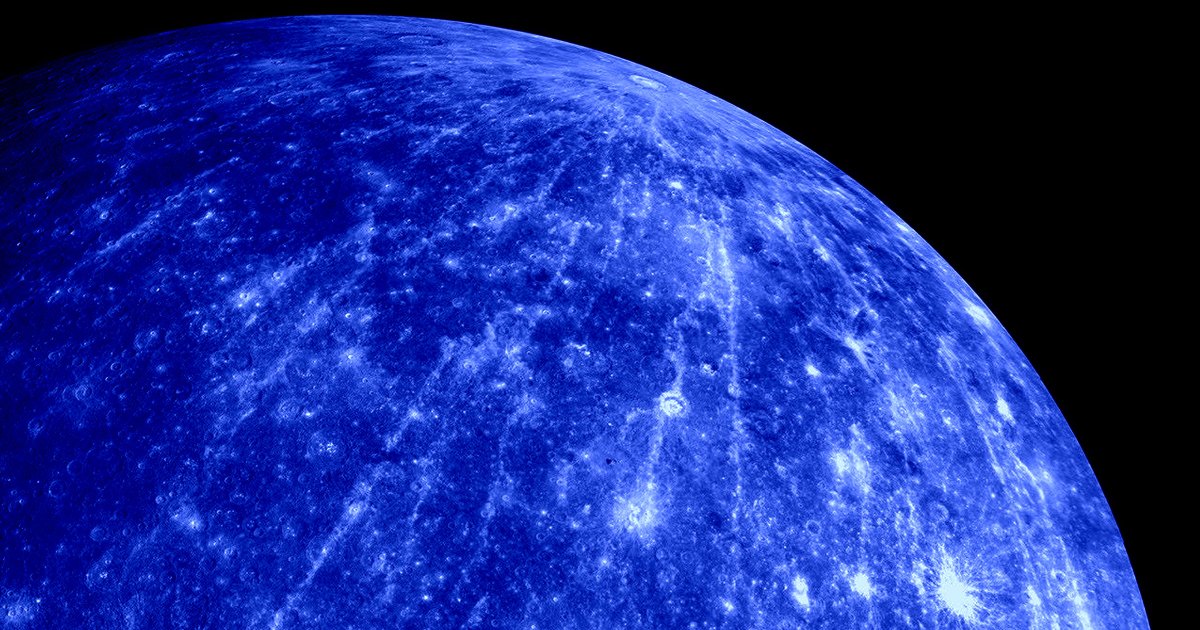
The shrinking comes from Mercury running out of heat. Debris from impact craters filled in the surface cracks and masked how much contraction had happened.
“like a balloon left out in the cold”
Cliffs, ridges and hidden clues
The rocky outer layer resists the deflation, buckling into steep cliffs called scarps. The roughest terrain had the fewest wrinkles, a sign debris was covering them up.
“obscuring shortening structures”
What the shrinking reveals
More shrinking points to a bigger metal core, fewer light elements mixed in, or a hotter start. BepiColombo enters Mercury's orbit in November to take a closer look.
“Every planet is an odd little duck that has a story to tell”
What matters most
Mercury's shrinkage is a thermometer for its insides: the faster it shrinks, the more it tells us about its core, its composition and how hot it started.