From Futurism · Joe Wilkins · · 1m 40s
Solar ambulance aims to reach Kenya's remote villages
Dutch students designed a solar-powered ambulance to bring emergency care to Kenya's isolated communities, but systemic healthcare gaps remain.
In brief
Dutch students designed a solar-powered ambulance to bring emergency care to Kenya's isolated communities, but systemic healthcare gaps remain. While innovative vehicles can help, Kenya needs major reforms to its emergency response system, including a centralized dispatch number and trained personnel. Originally…
Dutch students design solar ambulance
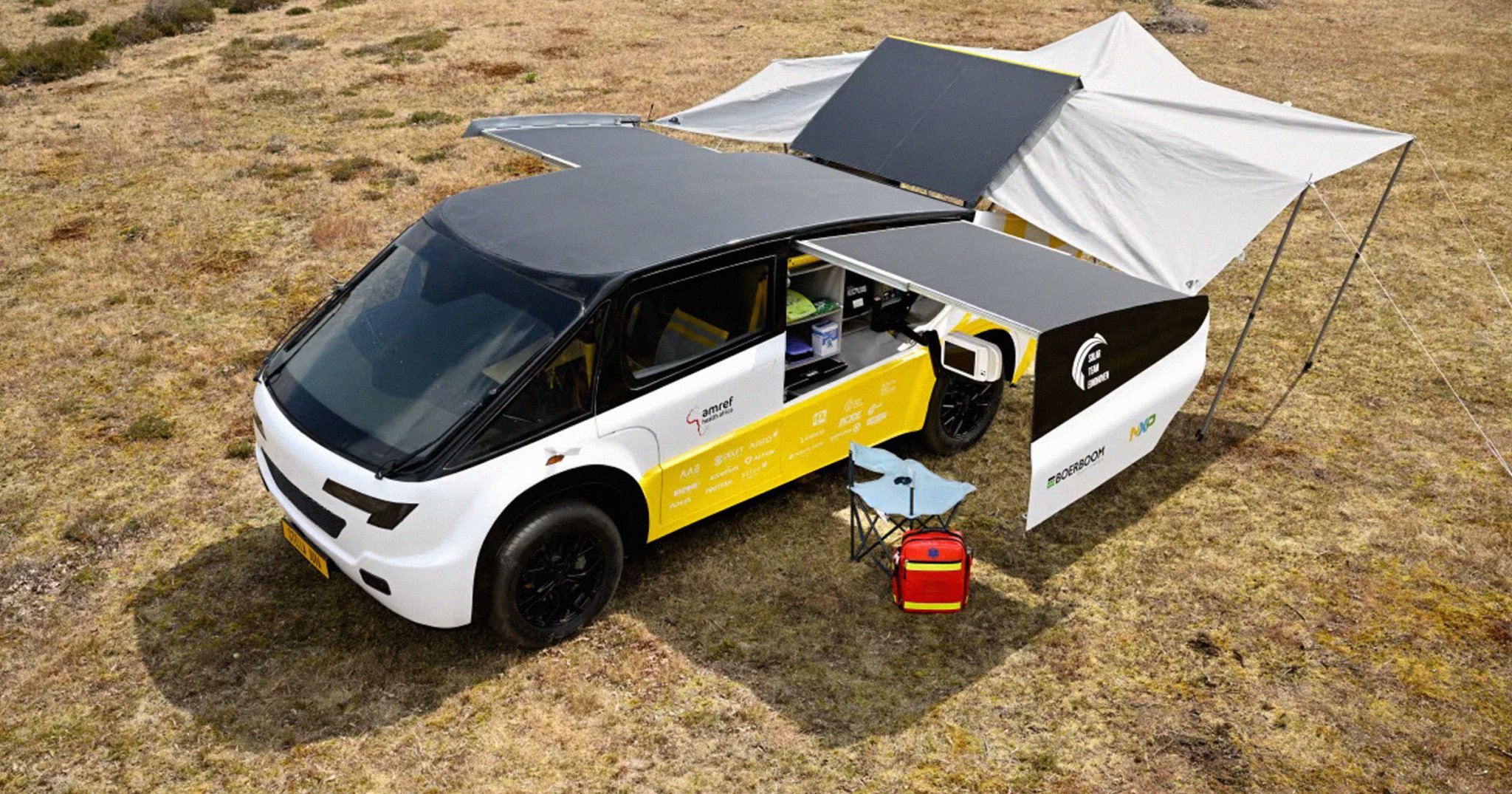
Students at Eindhoven University of Technology created the Stella Juva, a solar-powered electric ambulance designed to serve remote Kenyan communities after consulting with health organizations across Africa.
Mobile clinic packed with medical gear
The Cybertruck-shaped vehicle functions as a health clinic on wheels, equipped with ultrasound, X-ray equipment, a defibrillator, and a refrigerator for vaccines and medical supplies.
Range of 444 miles on solar power
The Stella Juva can travel just over 444 miles on a single charge and reach speeds near 75 miles per hour, making it practical for reaching distant villages across Kenya's varied terrain.
Early screening can catch complications
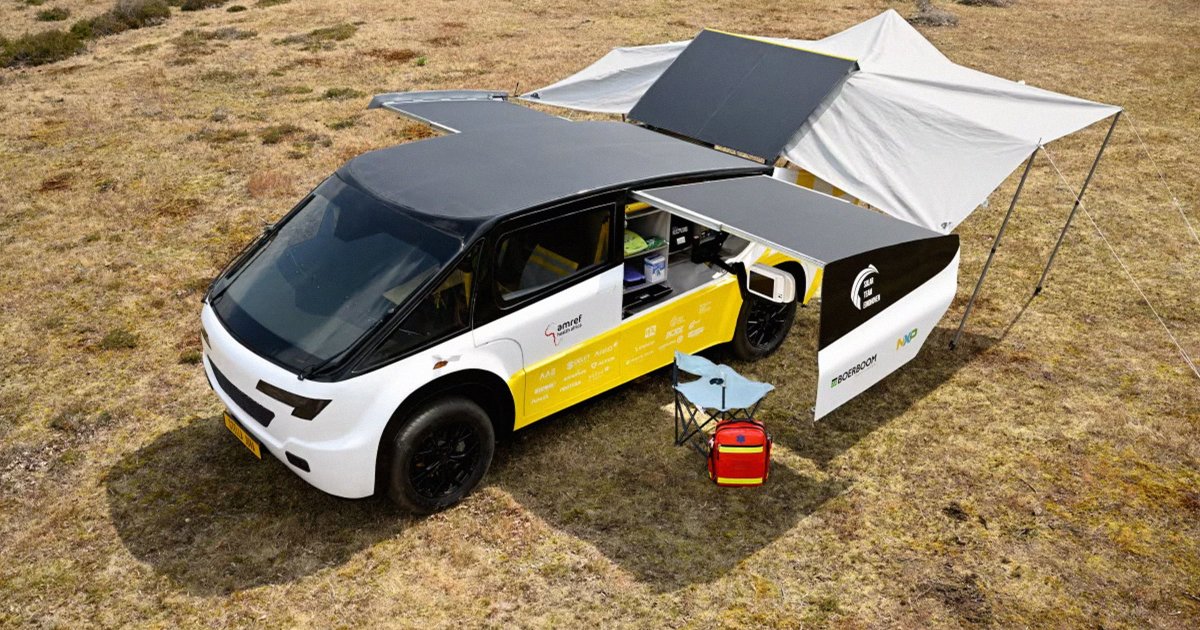
Amref Health Africa's Geoffrey Sadera said the ambulance will enable screening of mothers and babies to catch complications early and refer them in real time to hospitals.
“It will enable us to go and screen mothers and babies, catch complications early and refer them in real time.”
Kenya lacks basic emergency infrastructure
A 2025 Kenyan Office of the Auditor General report found the country has no centralized emergency number like 911, with dispatch organized county-by-county and lacking trained dispatchers, reliable internet, and response tracking systems.
Response times lag, awareness is low
Only 26 percent of Kenyans know what number to call in emergencies, and average response times range from 20 minutes to an hour in counties with dispatch data. The Emergency Medicine Kenya Foundation calls the system uncoordinated and geography-dependent rather than need-based.
“Emergency response in Kenya is largely uncoordinated, reactive, and dependent on geography rather than need.”
In short
While innovative vehicles can help, Kenya needs major reforms to its emergency response system, including a centralized dispatch number and trained personnel.




