From Futurism · Victor Tangermann · · 1m 30s
Stanford finds the human brain is actually two organs
Scientists discovered the brain evolved as two separate systems that grew together over millions of years.
In brief
Scientists discovered the brain evolved as two separate systems that grew together over millions of years. The human brain developed from two independent neural systems that eventually fused, which could help researchers grow brain cells in labs to study diseases like ALS. Originally reported by Futurism.
Brain is two separate organs
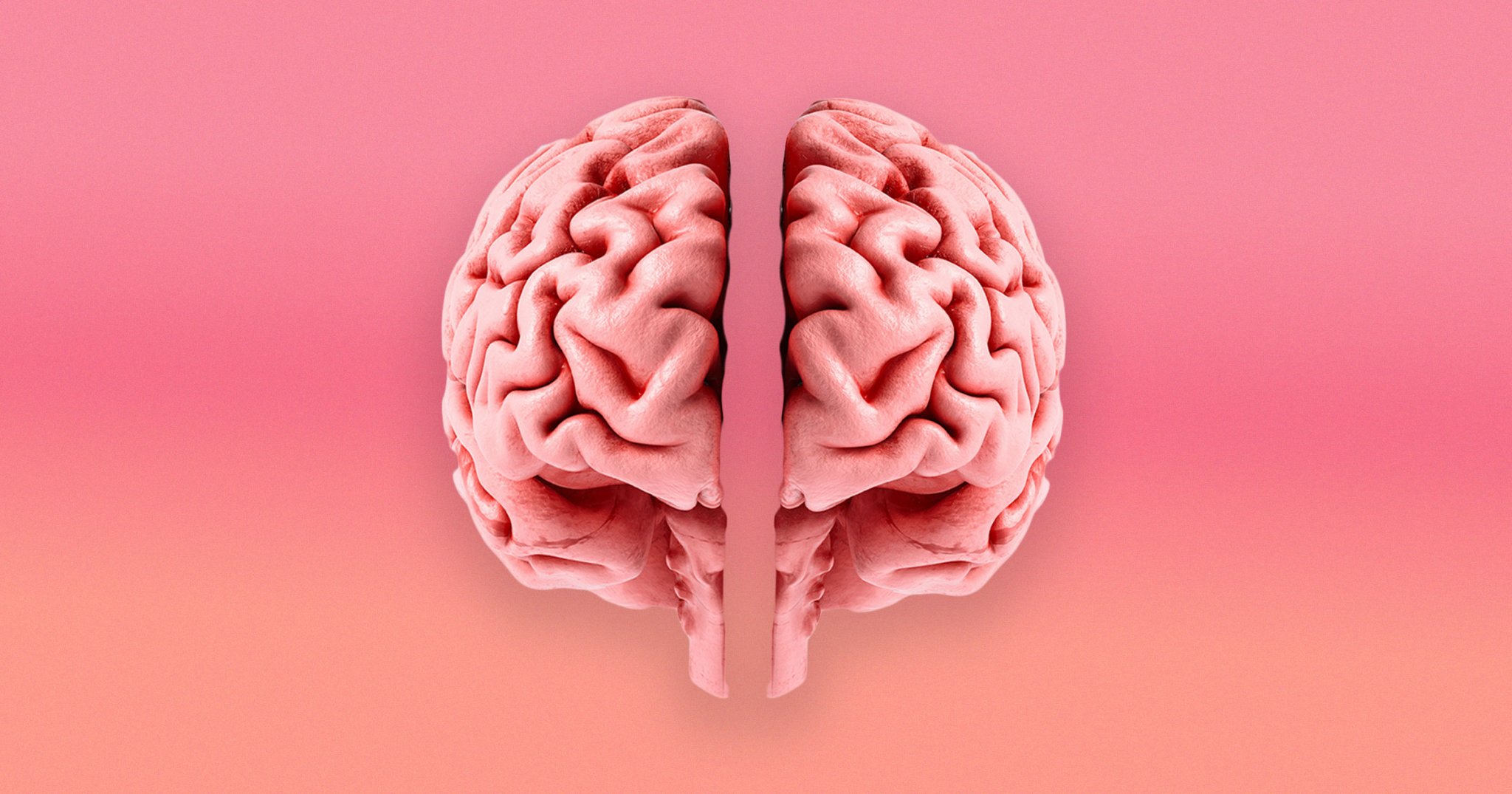
Stanford scientists found the human brain evolved as two distinct organs over hundreds of millions of years, not as a single entity as previously thought.
Front and back brains evolved separately
The forebrain and hindbrain arose from completely different progenitor cells and followed independent developmental paths before eventually fusing together.
“We've shown for the first time that the front of the brain arises from a totally different progenitor cell than the back of the brain.”
Different jobs, different origins
The forebrain handles higher thinking and consciousness, while the hindbrain controls basic survival functions like breathing and heartbeat. They developed on separate tracks.
Growing hindbrain cells in labs
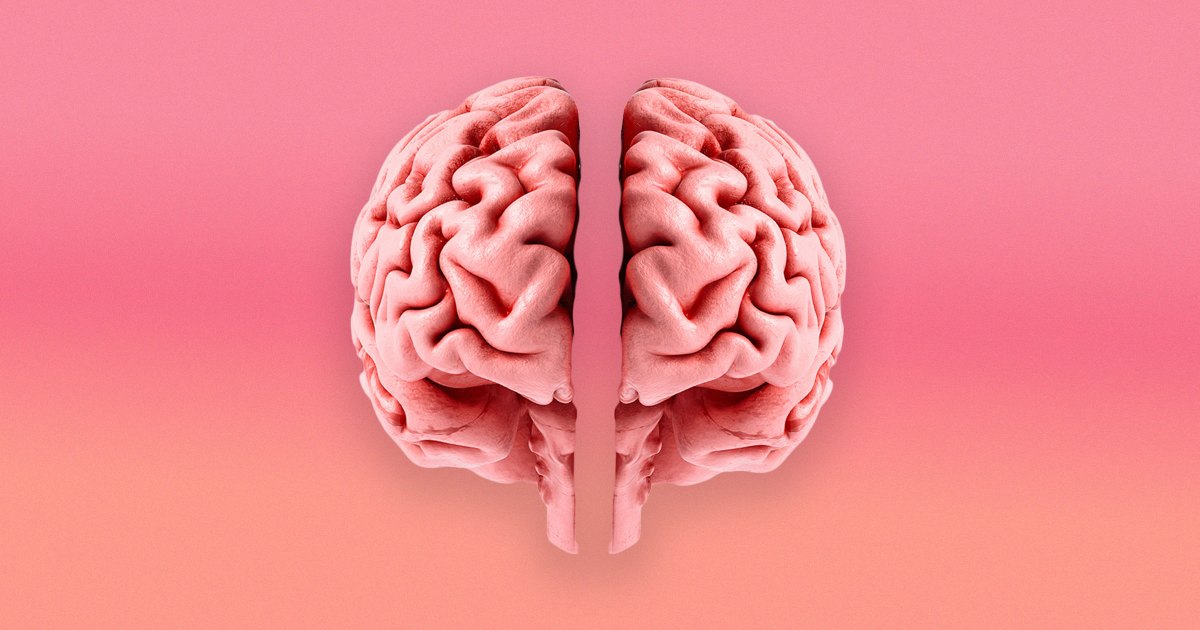
Researchers became the first to convert stem cells into hindbrain motor neurons in a petri dish, opening doors to study diseases like ALS that affect the brain stem.
“Our discovery means that we can now grow neurons from the back of the brain, the hindbrain, in a petri dish and study their functions.”
Pattern found across species
The same diverging developmental paths appeared in zebrafish, chickens, and acorn worms, suggesting this two-system structure is ancient and widespread.
Two systems enabled complexity
By keeping the hindbrain focused on survival, evolution could experiment with the forebrain to develop memory, creativity, and other advanced functions.
“Evolution could play around with the forebrain, and make mistakes and give rise to all the fancy things like memory and creativity.”
Why brains fused together
Two separate neural systems gradually grew close over 500 million years. Having them as one organ is more efficient, but humans still build brains the ancient way.
“Evolution took two existing neural systems and pushed them together spatially.”
In short
The human brain developed from two independent neural systems that eventually fused, which could help researchers grow brain cells in labs to study diseases like ALS.





