From Gregorygundersen · Gregory Gundersen · · 1m 20s
Why Backprop Goes Backward
Backpropagation uses backward passes to compute neural network gradients efficiently.
In brief
Backpropagation uses backward passes to compute neural network gradients efficiently. Backpropagation computes gradients by moving backward through a neural network to avoid quadratic computation time. Originally reported by Gregorygundersen.
Quick answers
- Why backward?
- Forward pass would have quadratic runtime in nodes.
- What is the key takeaway from Why Backprop Goes Backward?
- Backpropagation computes gradients by moving backward through a neural network to avoid quadratic computation time.
Why Backprop Goes Backward
Backpropagation computes neural network gradients using backward passes.
The question
Why does backpropagation use a backward pass instead of forward?
The problem
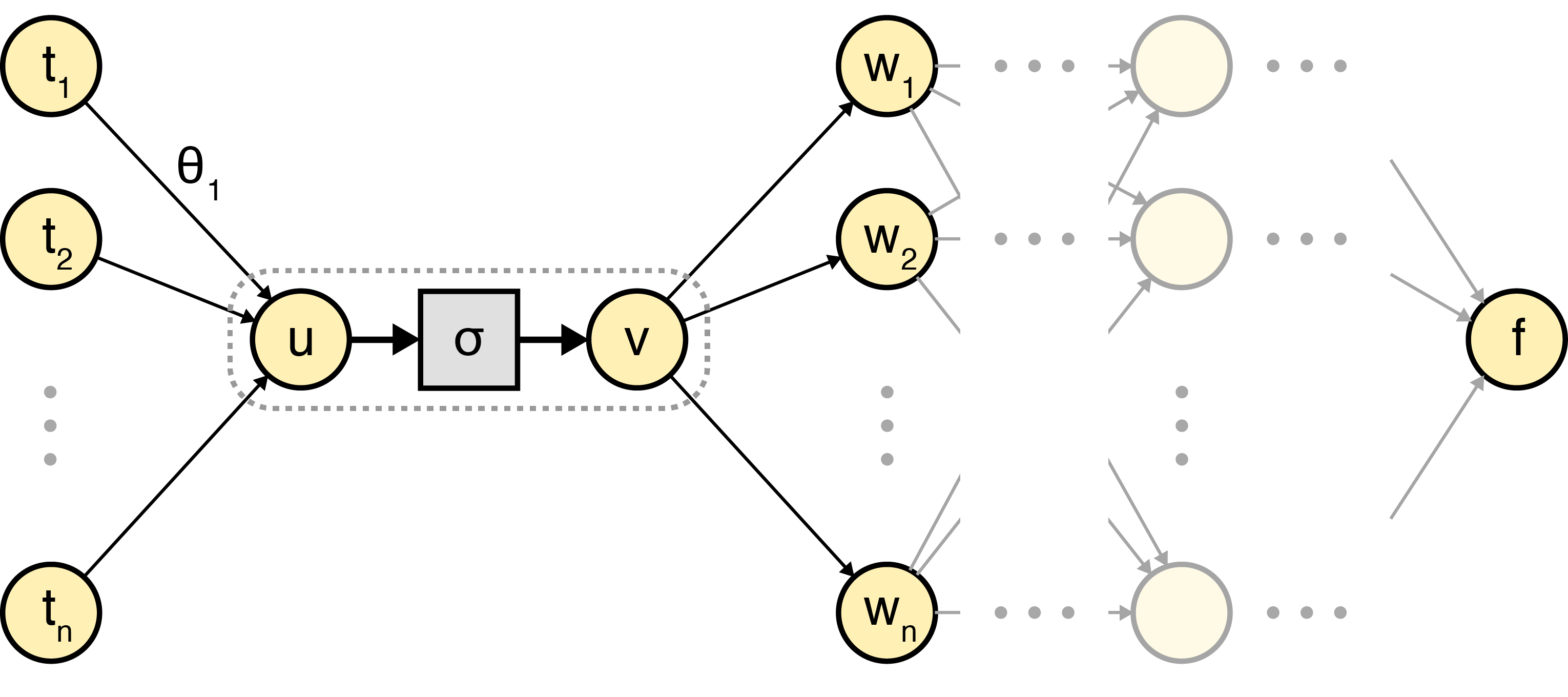
Computing gradients in a forward pass requires repeated calculations.
The chain rule
Gradients can be computed locally at each node using the chain rule.
The issue
Downstream nodes depend on current node values.
The solution
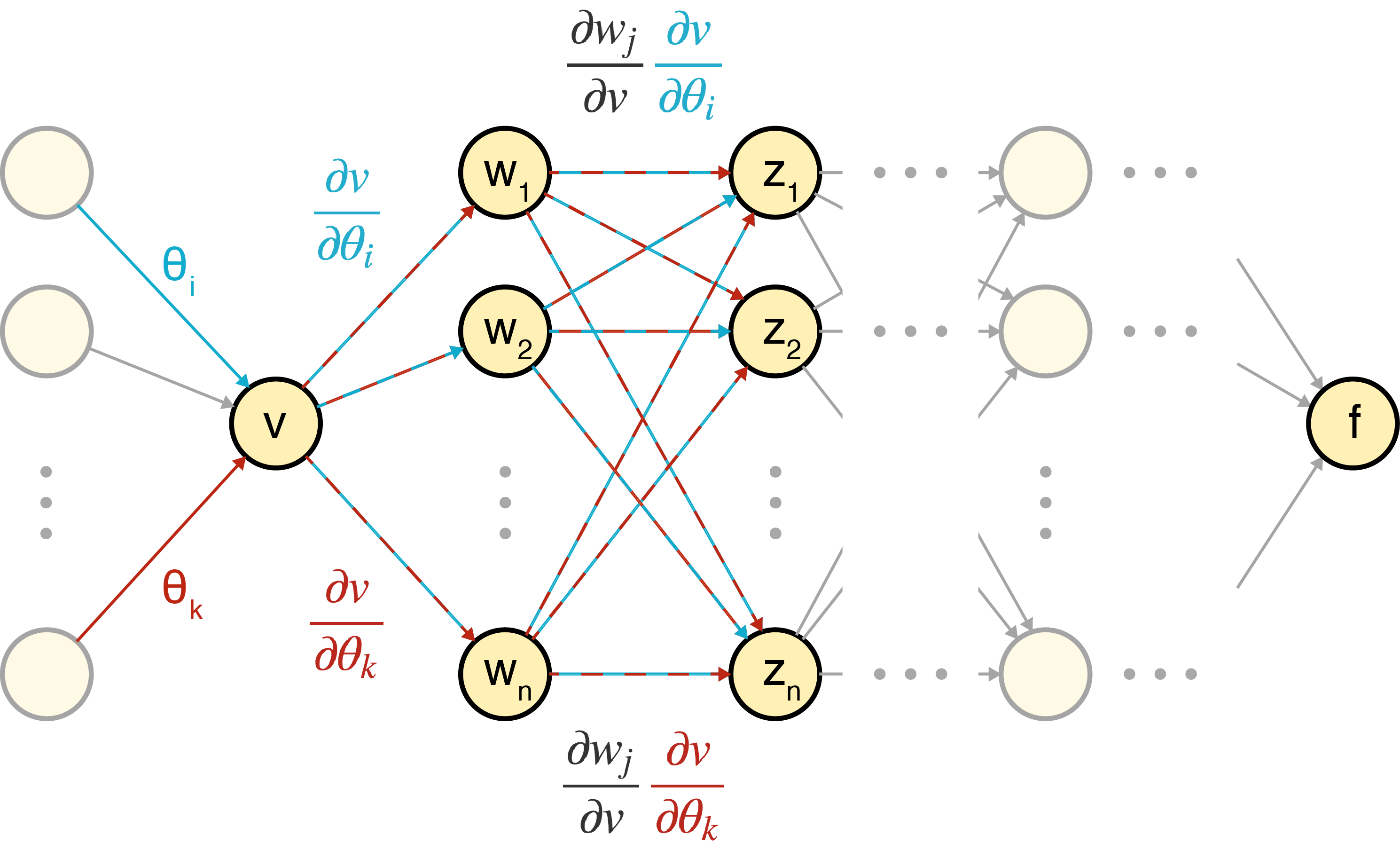
Backward pass passes messages to compute gradients efficiently.
Why backward?
Forward pass would have quadratic runtime in nodes.
The insight
Backward pass computes gradients in linear time.
The credit assignment
Nodes tell upstream neighbors what they did wrong.
The result
Backpropagation solves credit assignment efficiently.
The key insight
Backward pass avoids repeated calculations.
The conclusion
Backpropagation is optimal for neural network training.
The algorithm
Backpropagation uses backward passes to compute gradients.
The impact
Backpropagation enables modern neural networks.
The future
Backpropagation remains the standard for gradient computation.
In short
Backpropagation computes gradients by moving backward through a neural network to avoid quadratic computation time.


