From Guitar World · · 1m 30s
5 ways to make the C chord much more interesting
Transform basic C chords by changing which note sits on the bottom, opening up new sounds and playing possibilities.
In brief
Transform basic C chords by changing which note sits on the bottom, opening up new sounds and playing possibilities. Inverting chords by putting different notes in the bass creates distinct sonic characters and frees up strings for embellishments. Originally reported by Guitar World.
Why guitarists need flexible voicings
Guitarists have six strings and five fingers, unlike keyboard players with 88 keys and 10 fingers. This constraint means we need to voice chords differently depending on what works for each song.
C/E: the third on bottom
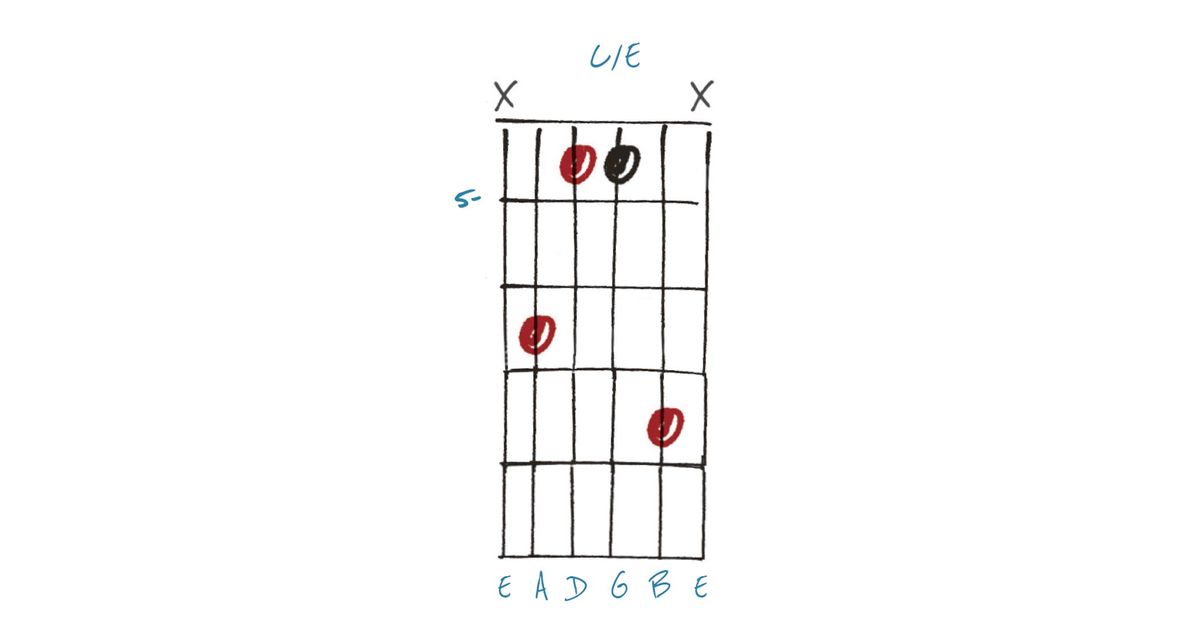
Place the E (the 3rd) on the bottom with the C major triad above it. This opens up the higher strings for embellishments and licks, like Jimi Hendrix used to do.
C9/E: perfect for blues
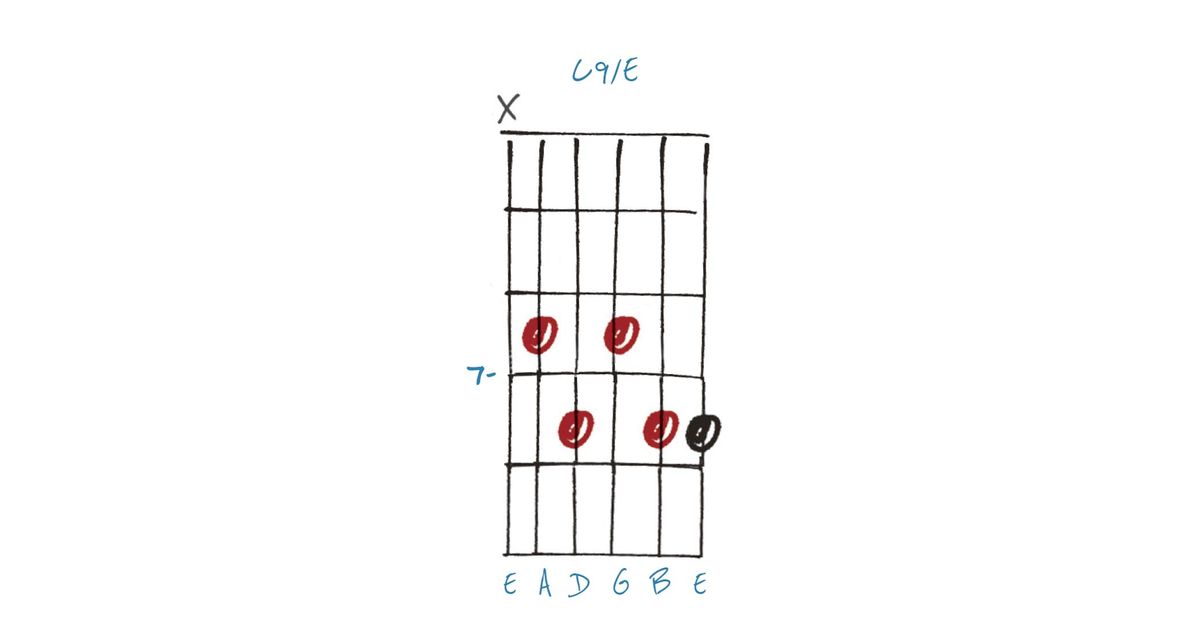
This voicing works great for Stormy Monday-style blues playing. It reaches higher note extensions and adds finesse anywhere you'd use a dominant seventh voicing.
C/G: the grandiose fifth
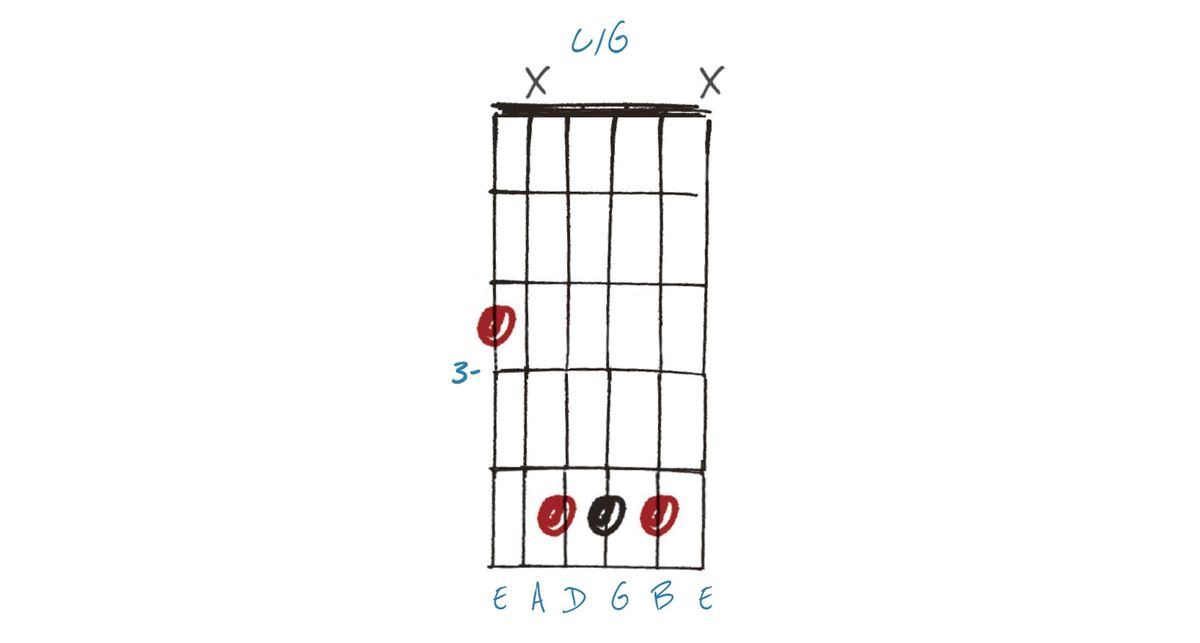
Put the G (the 5th) on the bottom and the chord takes on a grand, powerful sound. Eric Clapton used this approach with Cream, knowing the bassist would play the root underneath.
C/Bb: the dominant seventh bottom
Placing the Bb (dominant 7th) underneath the C major triad creates a very different effect. It resolves beautifully to Am7 or F/A chords.
Am7: the A on bottom
The C major triad with A on the bottom reads as Am7. This shows how the same notes can be named differently depending on context and which note anchors the voicing.
The takeaway
Inverting chords by putting different notes in the bass creates distinct sonic characters and frees up strings for embellishments.