From Guitar World · · 1m 40s
Judas Priest Bassist Ian Hill on Metal's Enduring Sound
Bassist Ian Hill says modern metal's masks hide timeless 70s metal fundamentals.
In brief
Bassist Ian Hill says modern metal's masks hide timeless 70s metal fundamentals. Bassist Ian Hill states that stripping modern metal of masks reveals the same core sound he listened to in the 1970s. Originally reported by Guitar World.
Ian Hill's Metal Perspective
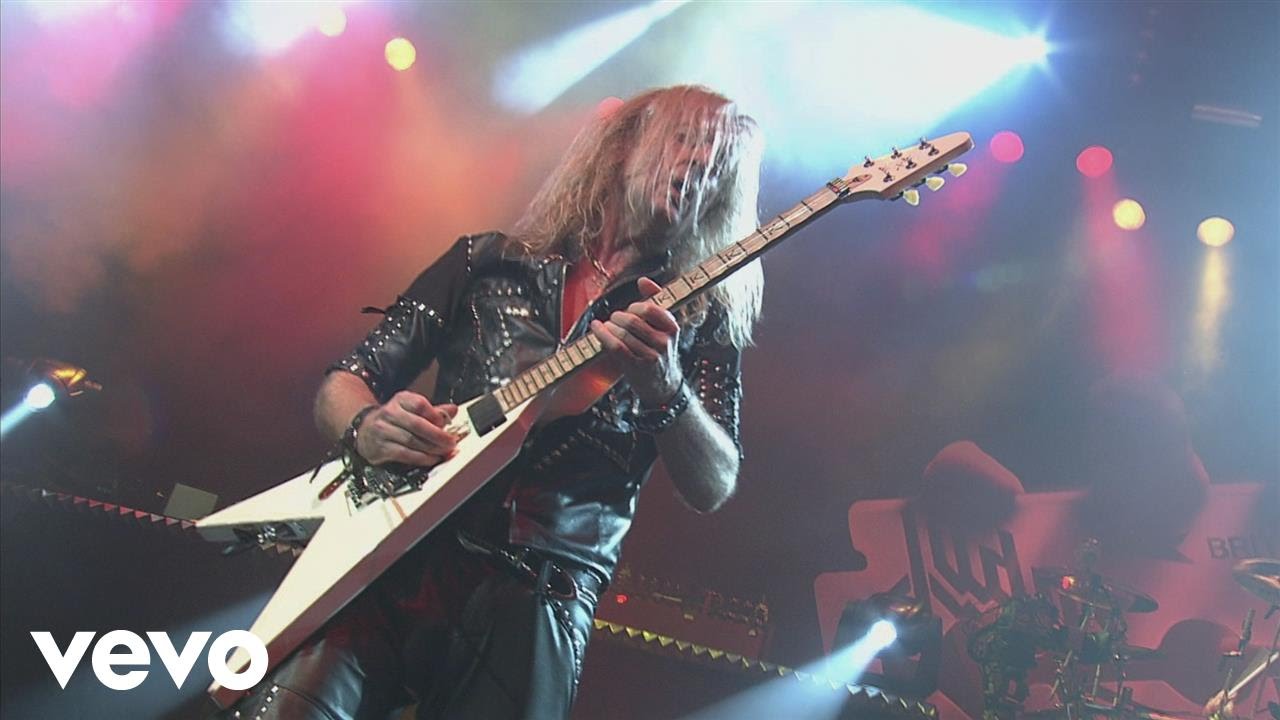
Bassist Ian Hill says modern metal's masks hide timeless 1970s metal fundamentals.
“New metal has a lot to offer, but you take away the masks and the bullshit, and it's the same stuff I was listening to in the '70s.”
Judas Priest's Evolution

Judas Priest formed in 1970 in Birmingham, England, and evolved through thrash to modern masked metal.
Hill's 2001 Album Shift
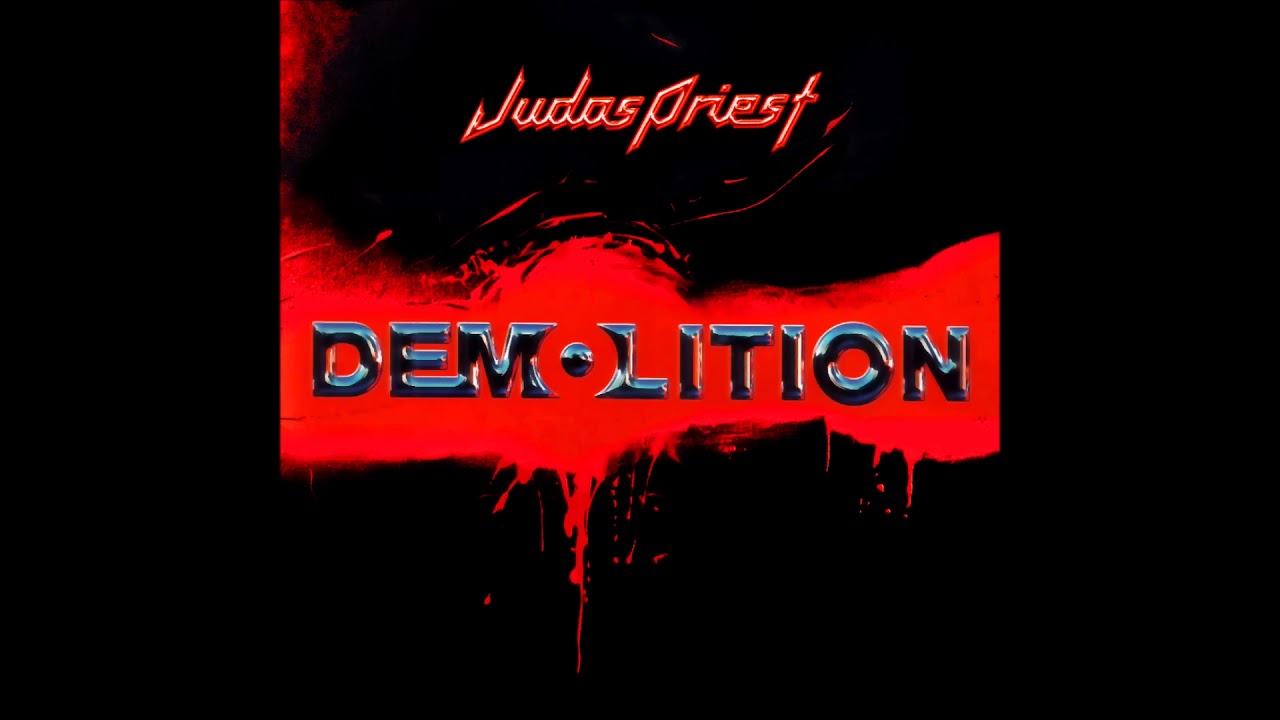
Hill tuned down a whole-step for 2001's Demolition album to incorporate grunge and nu-metal tones.
Bass Technique Details
Hill played melody lines over rhythm guitars on songs like In Between and Lost and Found on Demolition.
Studio Setup for Demolition
Hill used a Trace Elliot 122HSMX combo with two 10s, a tweeter, and a 12-band graphic EQ for clean bass tones.
Bass Rig Evolution

Hill started with homemade cabinets and an old Linear 30 amp, then moved to Marshall rigs and EARS-built cabinets.
Bass Tone Philosophy
Hill describes his tone as round and piano-like with strong lows and highs, pulled by mids with a graphic EQ.
Musical Influences
Hill's biggest influence was Jack Bruce from Cream, who avoided established blues basslines.
Bass Technique Evolution
Hill played with fingers initially, then switched to a pick for clarity, now using both for different song sections.
Bass Practice Routine
Hill runs through songs before tours and recordings to get calluses and finger shape, but no longer practices scales.
The bottom line
Bassist Ian Hill states that stripping modern metal of masks reveals the same core sound he listened to in the 1970s.