From Guitar World · · 3m
Lee Sklar's 20 years with James Taylor
The legendary bassist recalls how a one-off gig became two decades of defining the LA singer-songwriter sound.
In brief
The legendary bassist recalls how a one-off gig became two decades of defining the LA singer-songwriter sound. Great session musicians succeed by responding intuitively to artists rather than following rigid rules or charts. Originally reported by Guitar World.
LA's golden age for songwriters
Early 1970s Los Angeles became the epicenter for singer-songwriters, much like Detroit and Memphis were for soul music. Lee Sklar emerged as the rhythm-section backbone for artists like Jackson Browne and James Taylor.
One gig turned into 20 years
Sklar met James Taylor through a friend at Crystal Recording Studio. When Taylor got his first offer to play the Troubadour, he asked Sklar to play bass. What started as a single gig stretched into two decades of collaboration.
“When James got his first offer to play at the Troubadour, I thought it would be one gig. It turned into 20 years!”
Success brought studio calls
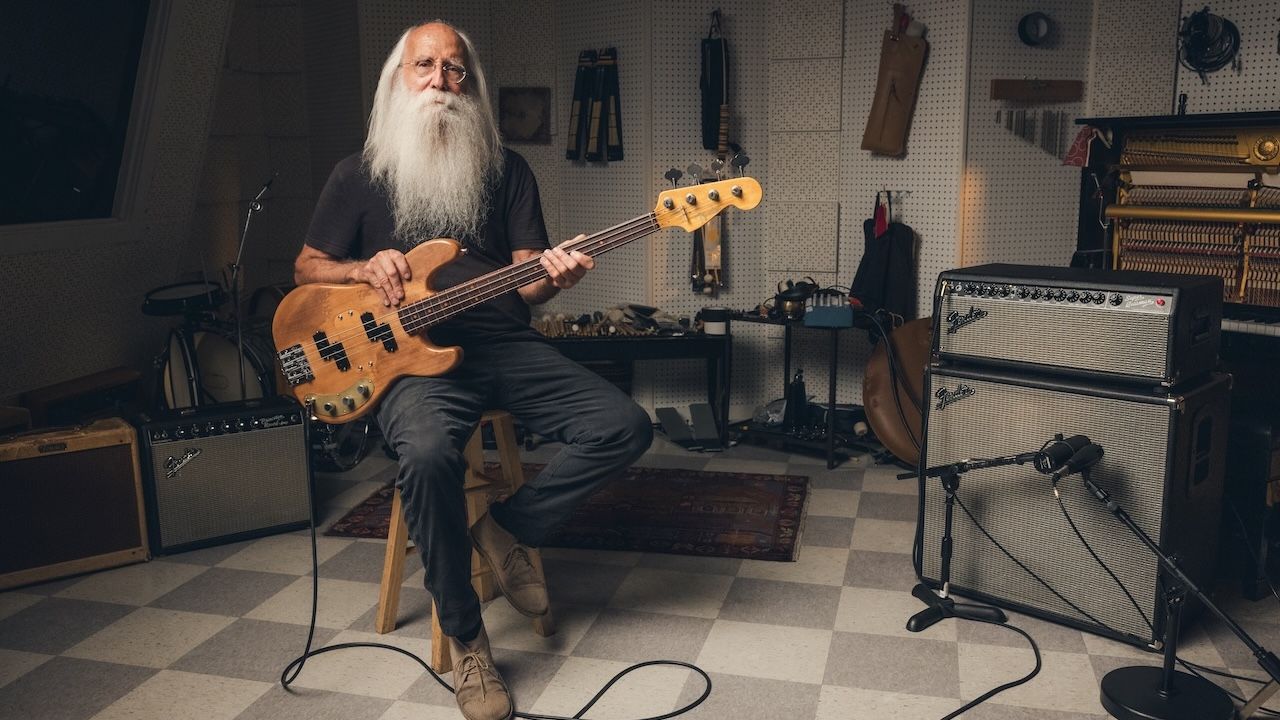
Once James Taylor's career took off, Sklar and drummer Russ Kunkel started getting constant studio work. One of those calls came from a young Jackson Browne, launching another major collaboration.
Jackson's first album sessions
Sklar recorded Jackson Browne's debut album at Crystal Recording Studio with engineer Richard Orshoff. The sessions stretched across six months, with no charts, no rehearsals, and no pressure to rush.
Doctor My Eyes came together fast
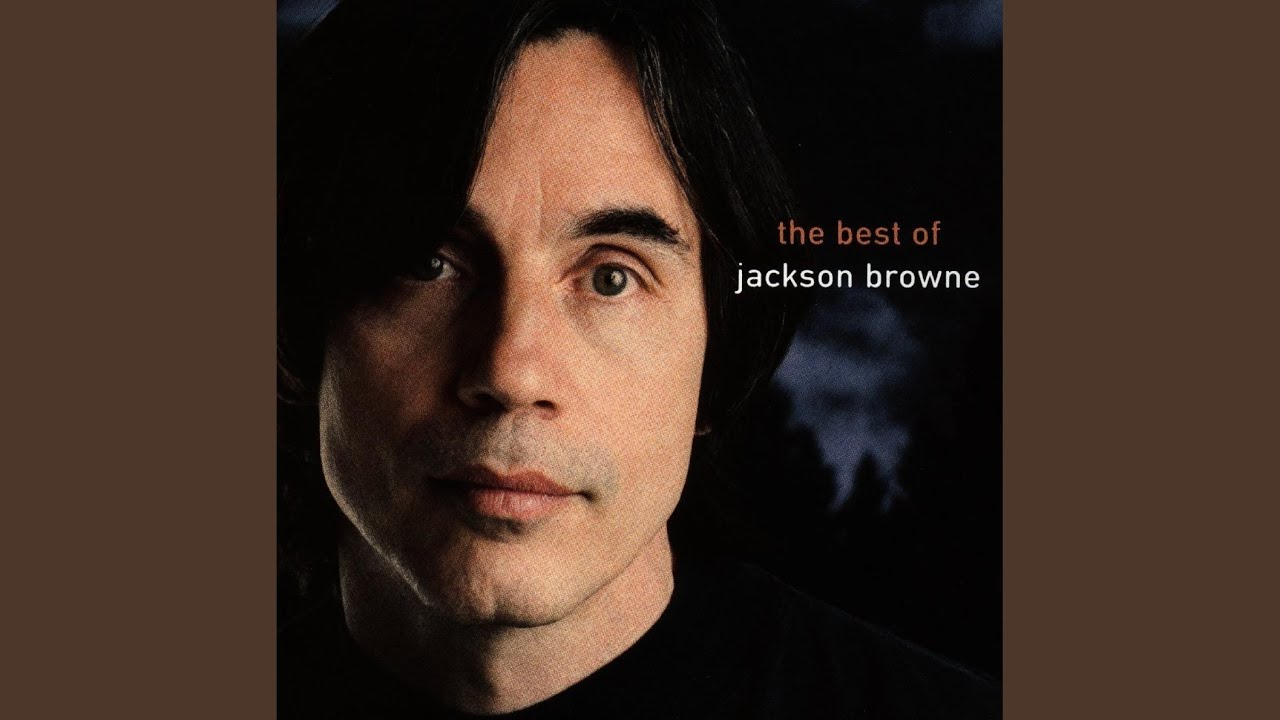
Guitarist Jesse Ed Davis played the iconic solo on Doctor My Eyes in one take, pulling his guitar from its case and nailing it immediately. The song became one of Browne's signature tracks.
Organic, fluid recording process
There were no click tracks or rigid schedules. Jackson would play a song, the band would craft parts together, and they'd revisit tracks days later if needed. Musicians went off to do other gigs between sessions.
Playing by feel, not method
Sklar doesn't approach bass playing methodically or intellectually. He enters a trance-like state when a song starts and plays what feels right, letting notes ring or cut short based on pure instinct.
“I go with my gut: if it feels like the note wants to come out, that's what comes out.”
His trusty 1962 Jazz Bass
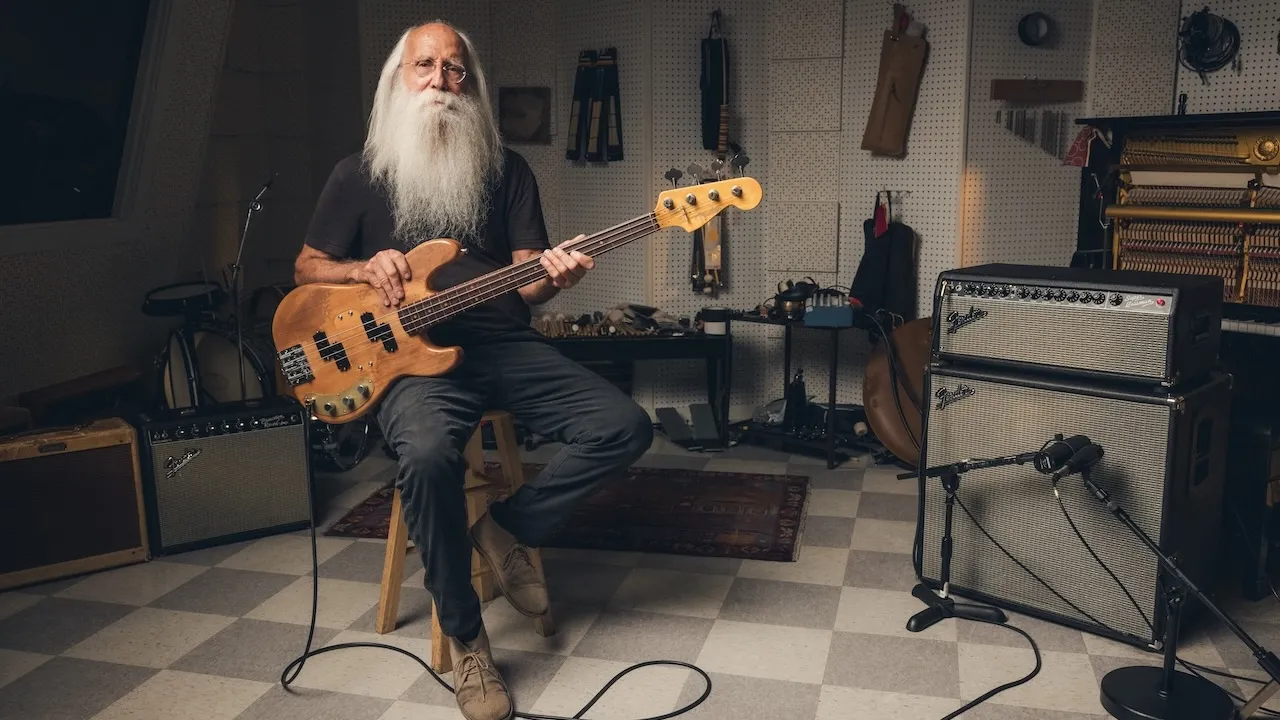
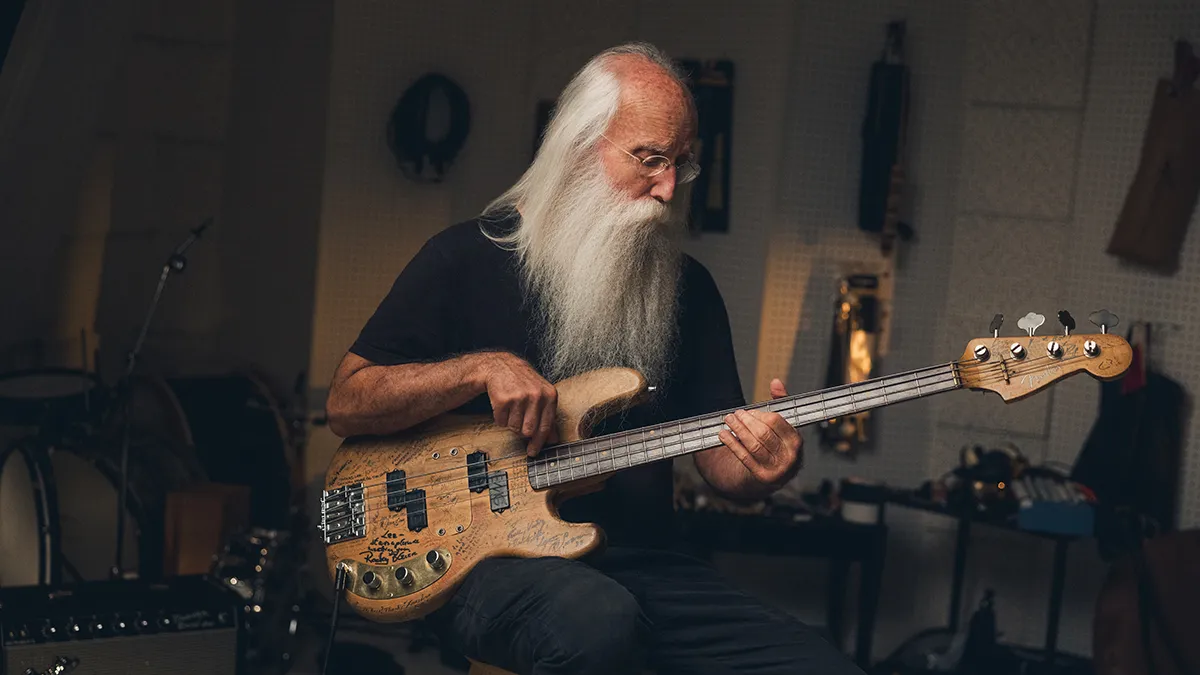
Sklar recorded most of these sessions on a 1962 Fender Jazz Bass that he'd decorated with peace symbols and a decoupaged Frank Zappa photo. He still owns and loves that instrument today.
Russ Kunkel kept time human
Working with drummer Russ Kunkel meant no click track was needed. The song would breathe and shift naturally during recording, staying tight while feeling expressive rather than mechanical.
Responding to the vocalist
Sklar's approach with singer-songwriters is to listen intently to their breathing and move with them like a dance partner. He finds ways to enhance their complete songs by fitting in responsively rather than dominating.
Jackson's rare gift as an artist
Sklar marvels at Browne's abilities as a lyricist, musician, and singer. Jackson sang everything live with the band and delivered consistent, flawless vocal takes every single time he approached the microphone.
The main idea
Great session musicians succeed by responding intuitively to artists rather than following rigid rules or charts.