From Guitar World · · 4m
Paul McCartney's greatest guitar moments
From solo acoustic work to collaborations with David Gilmour, McCartney's post-Beatles guitar playing reveals a restless innovator.
In brief
From solo acoustic work to collaborations with David Gilmour, McCartney's post-Beatles guitar playing reveals a restless innovator. McCartney's guitar work after the Beatles shows he never stopped experimenting, whether playing delicate acoustic pieces or pushing boundaries with effects and unconventional chord…
From bassist to guitarist
McCartney started as a guitarist in the Beatles but switched to bass in 1961 when Stu Sutcliffe left. He never stopped playing guitar, crafting iconic parts on Yesterday, Blackbird, and Paperback Writer.
Post-Beatles guitar arsenal
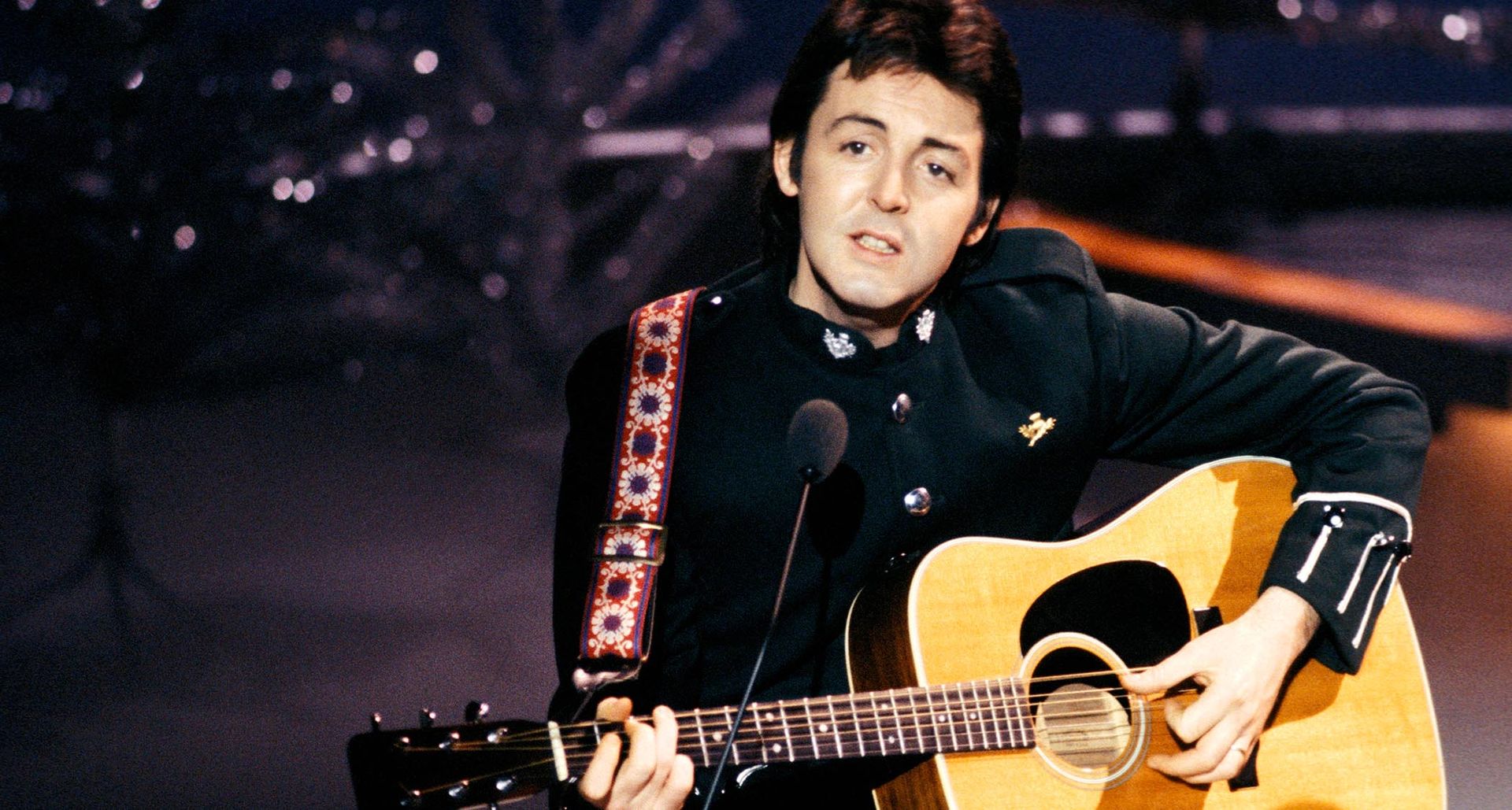
After the Beatles disbanded, McCartney leaned harder into guitar work on albums like McCartney and Wings' Band on the Run. His go-to instruments included an Epiphone Casino, Martin D-28, and Epiphone Texan acoustic guitars.
McCartney University for guitarists
McCartney hired world-class guitarists including Denny Laine, Henry McCullough, Jimmy McCulloch, Laurence Juber, Robbie McIntosh, Rusty Anderson, and Brian Ray. They learned musicianship and stage presence while enriching his music.
Artistic freedom in Wings
Guitarist Laurence Juber says McCartney encouraged the band to think creatively. He rarely gave specific instructions unless a riff was written into the song's concept, allowing players to develop their own ideas.
“We were encouraged to really think of it as a band. There were very few occasions when he gave me something specific to play.”
Maybe I'm Amazed shows Hendrix influence
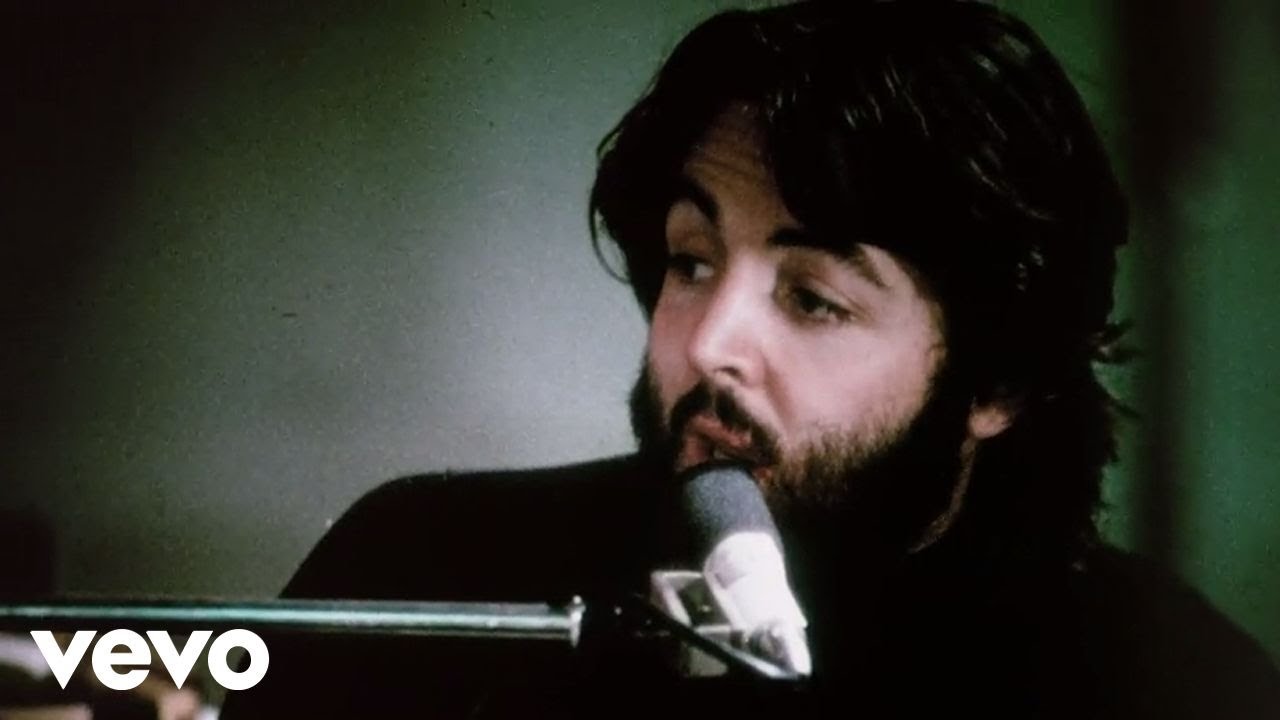
On this 1970 solo track, McCartney uses palm-muting and partial string depression to create a percussive rhythm inspired by Jimi Hendrix's Are You Experienced. Twin guitar solos feature slides, hammer-ons, and ghost bends.
Too Many People's detuned acoustic
This 1971 track opens with an acoustic guitar tuned a whole step down, creating a droning G string that underpins shifting dyads. The bridge features a catchy melody between vocal lines, followed by electric solos with cowbell and shakers.
Henry McCullough's spontaneous solo
On My Love from 1973, Henry McCullough asked McCartney if he could try something different on the solo. He improvised a single-take lead on a goldtop Les Paul in front of a live orchestra that McCartney called a gift from God.
“Do you mind if I try something else on the solo? I had to have faith, and boy, was it rewarded.”
Junior's Farm launches Jimmy McCulloch
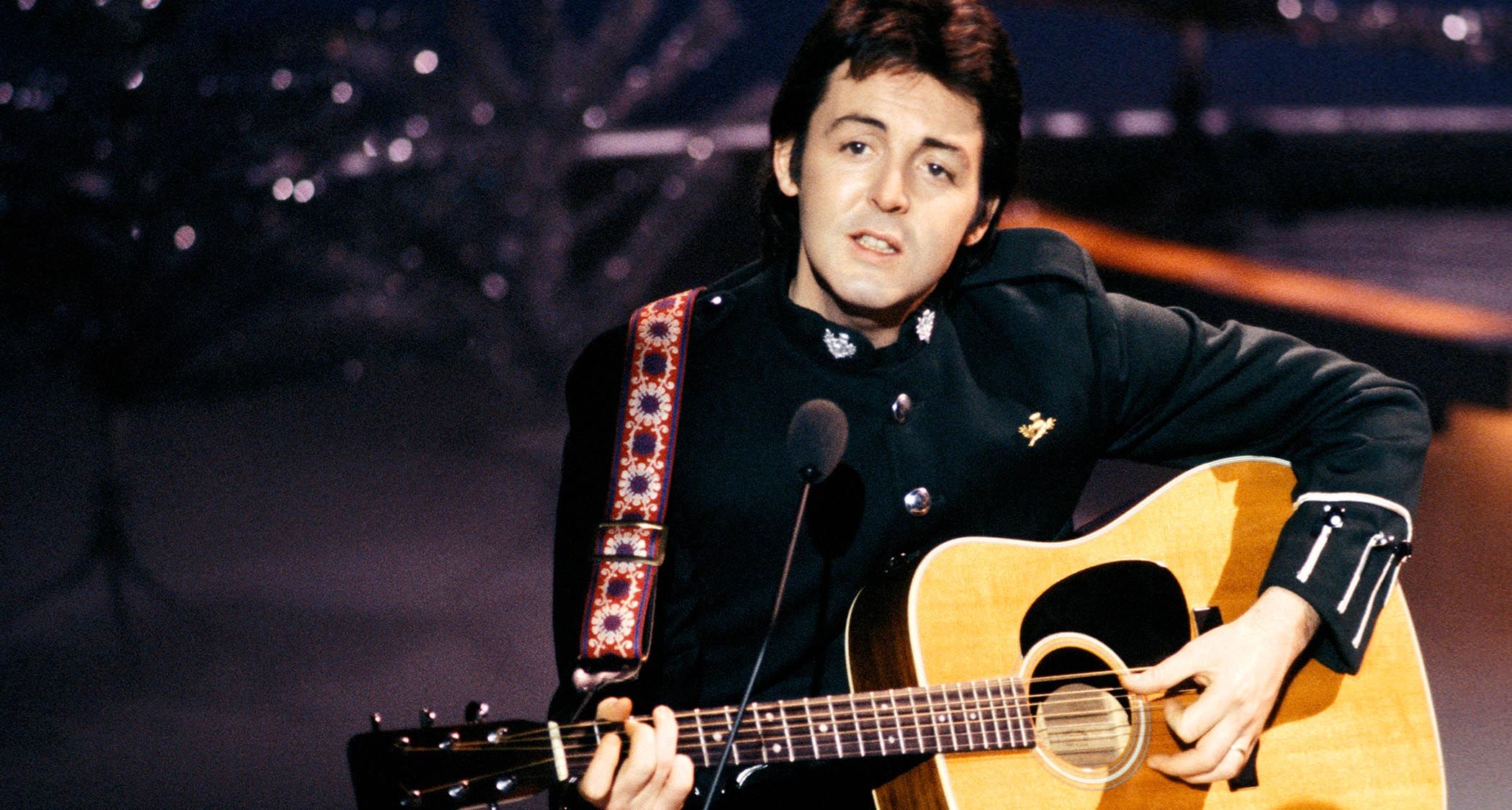
This 1974 single features harmonized lead guitar in thirds, similar to Thin Lizzy's style. Scottish guitarist Jimmy McCulloch, a former child prodigy, burns through the song with flashy ostinato runs and double-stops that scream with dissonance.
Spin It On's punk rockabilly energy
On this 1979 track, Laurence Juber created speedy legato runs and screeching bends using a 1963 Stratocaster through a Mesa Boogie Mark II. McCartney encouraged him to come up with licks that fit the song's spinning motion.
To You's harmonizer experiment
On this Back to the Egg track, McCartney used an Eventide Harmonizer to transpose Juber's improvised notes in real time. This forced Juber to play outside the changes, creating a glorious blend of consonance and dissonance.
David Gilmour's inspired solos
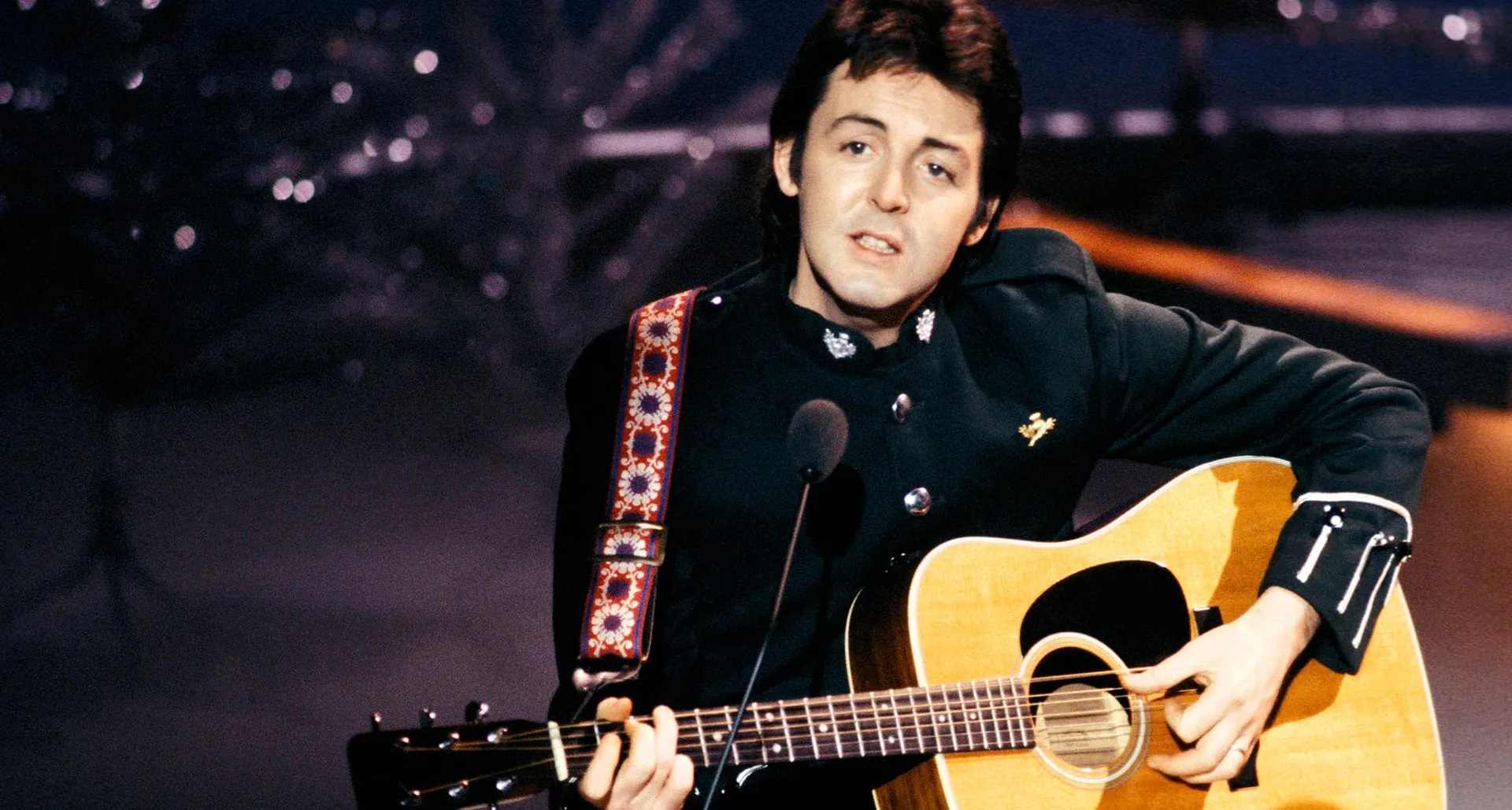
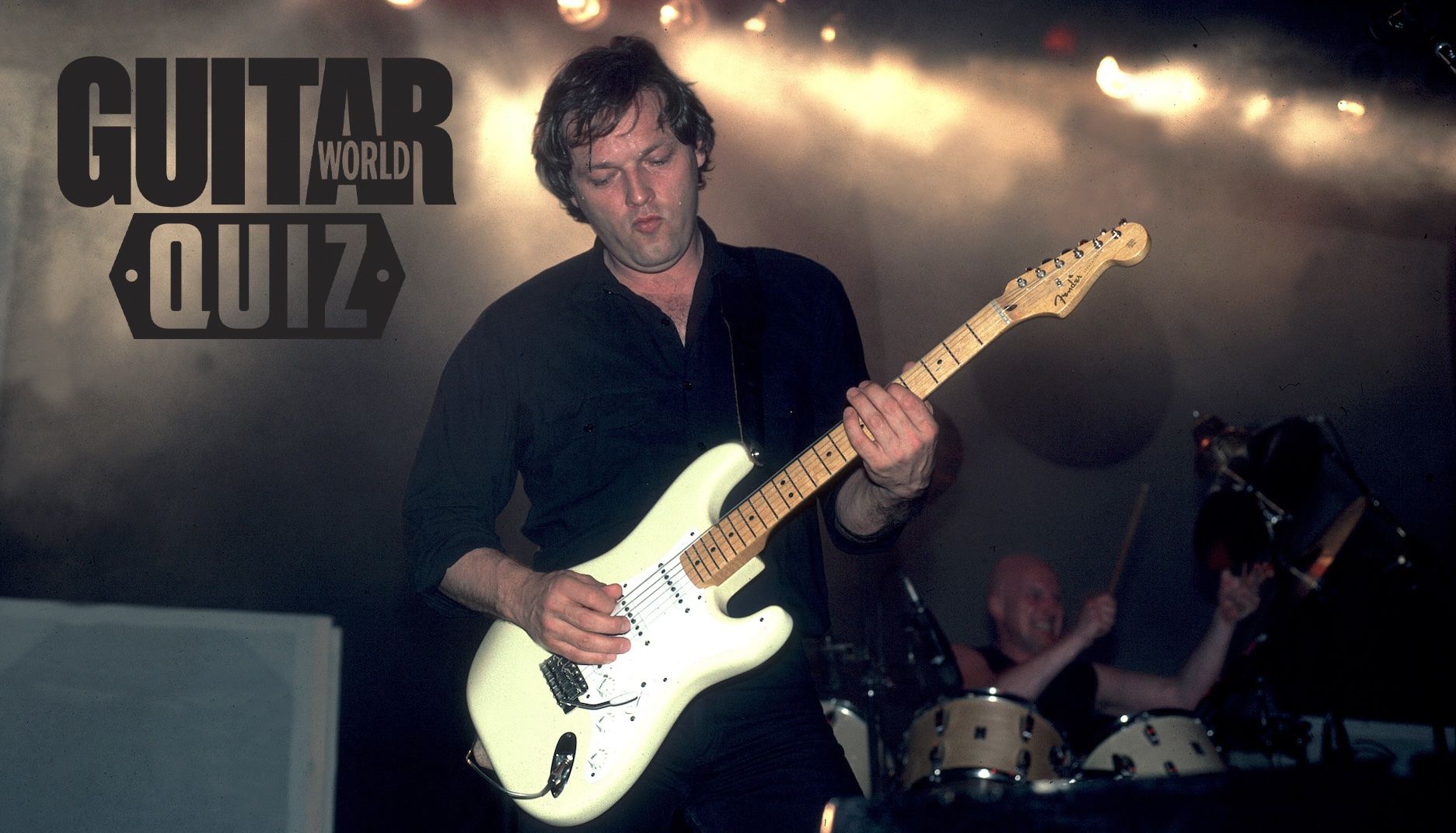
Pink Floyd's David Gilmour played two solos on No More Lonely Nights from 1984. His first is hummable and lyrical with a pinch harmonic sting. His second, after an upward modulation, features screaming bent notes and whammy bar flourishes.
“His sustained ending note morphs into a pinch harmonic that stings like a bite of live hornet pizza.”
Carlos Alomar's contradictory brilliance
On Good Times Coming from 1986, Carlos Alomar creates a solo that is simultaneously pleasant and abrasive, stiff and flowing. His heavily processed tone, abrupt stops, and aggressive whammy bar dives echo Robert Fripp's style.
Robbie McIntosh's relaxed mastery
On Peace in the Neighbourhood from 1993, Robbie McIntosh's guitar outro was recorded during a loose rehearsal session. His solo glides with relaxed smoothness that only a seasoned player can achieve when not trying to show off.
“That was a good one for me, that guitar outro. It was aimless in a way, and yet it ended up sounding quite nice.”
House of Wax's lightning strike
On this 2007 track, a second solo filled with quick alternate picking, wailing bends, and flashy legato licks portrays lightning striking a house of wax. Producer David Kahne recalls McCartney improvising the lead, reminiscent of the Taxman solo.
Winter Bird's exotic dissonances
On this 2020 acoustic piece from McCartney III, McCartney zigzags between fretted notes and the open E string. The second and seventh notes of the E harmonic minor scale momentarily clash with the root note, creating mysterious, exotic dissonances.
As You Lie There's jarring voicings
On this 2026 track, McCartney opens with an unusual arpeggio, either a D13b9 or Cm(maj7)/D, that makes a disconcerting first impression. Using the open D string as a pedal tone, he moves through restless seventh chords before resolving to G major.
Six decades of guitar innovation
From 1970 to 2026, McCartney's post-Beatles guitar work shows an artist constantly experimenting with tone, harmony, and technique. Whether playing solo or collaborating with world-class musicians, he remains restlessly creative.
The one thing
McCartney's guitar work after the Beatles shows he never stopped experimenting, whether playing delicate acoustic pieces or pushing boundaries with effects and unconventional chord voicings.