From Guitar World · · 3m
Periphery killed the Roman numerals and made a record about loneliness
How a tour-bus argument about album titles turned into Periphery's darkest record, played on 30-inch baritones.
In brief
How a tour-bus argument about album titles turned into Periphery's darkest record, played on 30-inch baritones. When the thing you're known for stops exciting you, the way out is a constraint strong enough to reject your own good ideas. Originally reported by Guitar World.
The numbers ran out
Five albums titled Periphery I through V made the band predictable to itself. On a European tour, the members agreed a sixth numbered record was the least exciting thing they could do.
“It became our shtick, and there was nothing less exciting to us than making Periphery VI.”
Three EPs, a double album, no
They floated releasing three EPs on consecutive weeks and building a conceptual double album. None of it stuck until drummer Matt Halpern asked why not write an album about loneliness.
Everyone has felt it

Holcomb liked that loneliness works as both an odd album subject and a universal one. Happy or dissatisfied, embraced or resented, it shows up in everybody's life.
“No matter how happy you are in life... the experience of feeling lonely plays a large role in anybody's life.”
Band therapy, not Metallica therapy
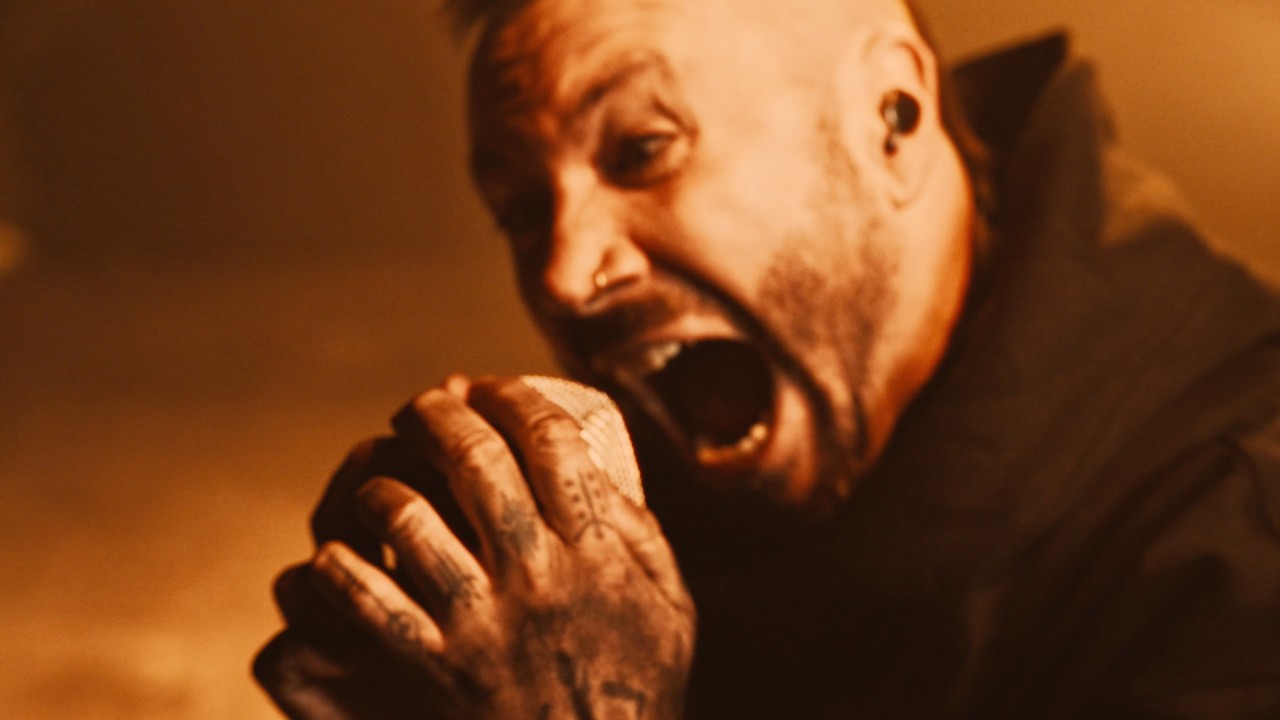
Mr. God, Obsession and Subhuman came out of sessions Holcomb calls band therapy, with a pointed caveat that it wasn't the Some Kind of Monster kind.
“Band therapy sessions, but not in the Metallica sense.”
Depression, OCD, anxiety
The record works through the darker emotional conditions rather than gesturing at them. Isolation is the connective thread across the track list.
Grief he can't burn out

On Everyone Dies Alone, Holcomb writes about his father's recent death and the images that came with it. He says he'll carry them permanently.
“It's imagery that I wish I could somehow burn out of my brain, but I know it'll live with me forever.”
Prog nerds don't need The Wall
They didn't reference the obvious concept records directly, but Devin Townsend, Dream Theater, Opeth and Rush are baked in. Holcomb says concept albums are part of their DNA.
“It's part of our DNA.”
The Riff Graveyard
Brighter, notier riffs got written and then shelved for not matching the album's tone. They live in a shared Dropbox the band raids for future records.
“The fallback was always, "Let's just store that one."”
A 30-inch new instrument
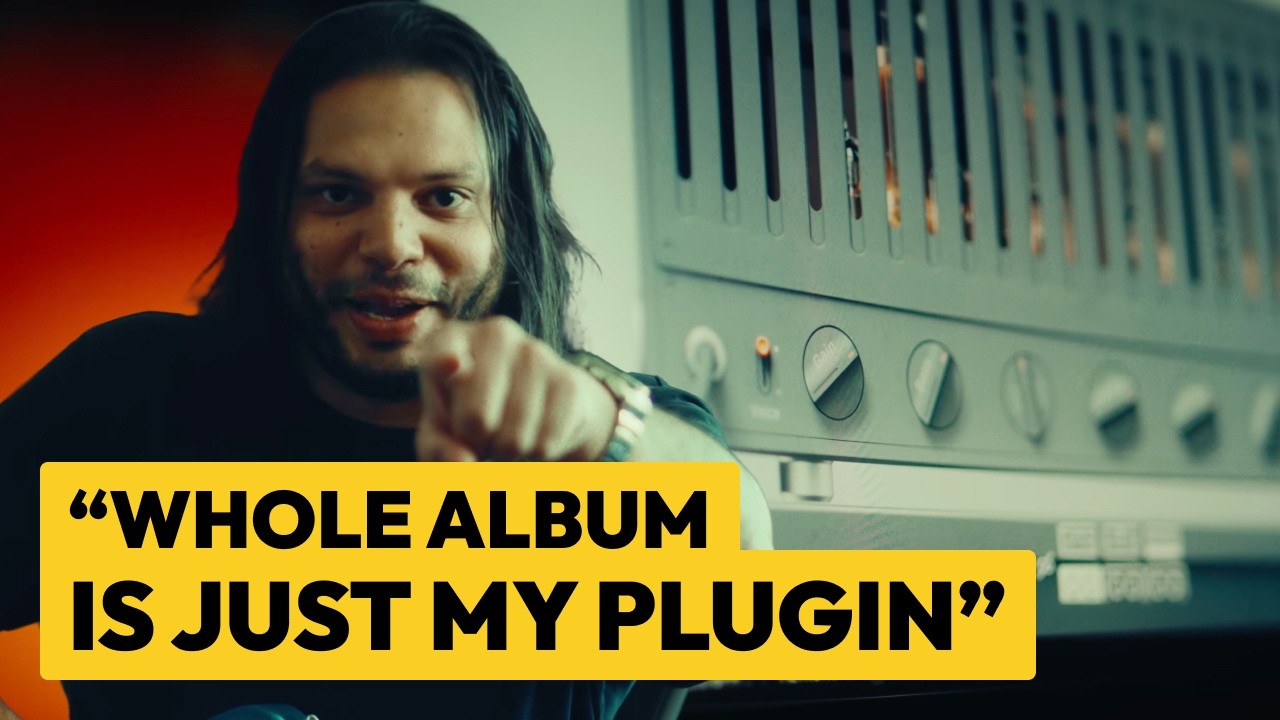
Misha Mansoor picked up a 30-inch Jackson Surfcaster baritone and cut a 30-second demo that became Mr. God. Holcomb tried it and stopped recognizing it as a guitar.
“Man, it's like playing a new instrument. It doesn't feel like a guitar.”
Wide frets kill your leads
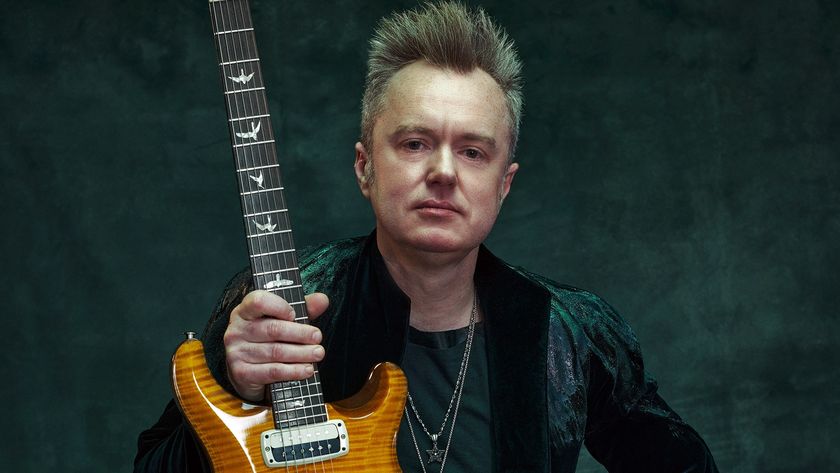
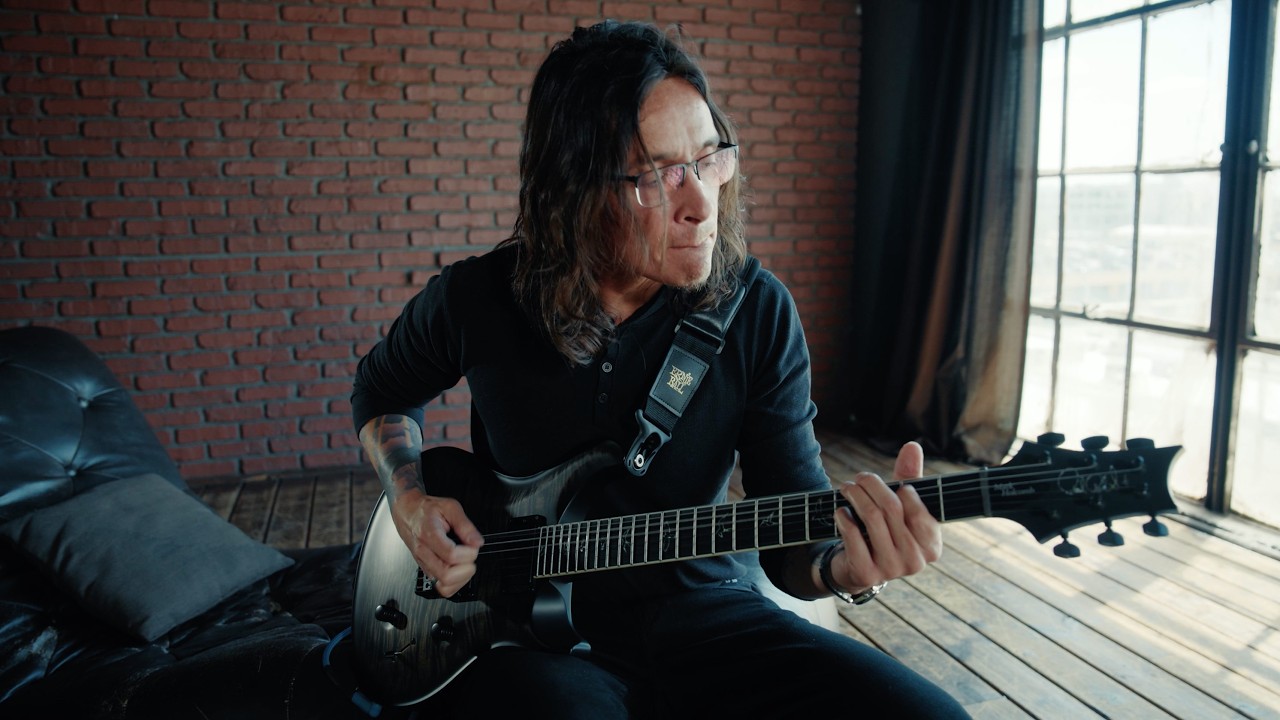
The fret spacing discouraged fast playing, so Holcomb wrote sparse patterns with fewer notes and far more weight. He had PRS build him a 30-inch of his own.
Double B flat, hypnotic
The low string drops to B flat with the fifth string an octave above it, so chugging both drones. Elsewhere: a seven-string on Obsession, eight-string F standard on Subhuman.
“You sit back in your chair and you're like, "Wow, that's really heavy."”
Sorry to the techs
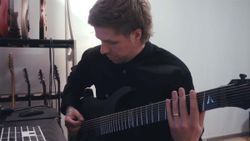
Every song in a different tuning across six, seven and eight strings makes the crew's night a nightmare. Holcomb apologizes constantly and means it.
“We do say we're sorry profusely, and I feel horrible for making our guitar techs' lives miserable!”
The takeaway
When the thing you're known for stops exciting you, the way out is a constraint strong enough to reject your own good ideas.