From Guitar World · · 3m
The secret Gibson guitars hidden for 10 years
A master luthier and gear specialist built unauthorized custom guitars in the Gibson Custom Shop and kept them hidden until the statute of limitations passed.
In brief
A master luthier and gear specialist built unauthorized custom guitars in the Gibson Custom Shop and kept them hidden until the statute of limitations passed. Roger Giffin and Brett Allen created 16 one-of-a-kind Gibson guitars using company materials during the late 1980s, hiding them for over a decade before…
A secret collaboration begins
Master luthier Roger Giffin arrived at Gibson's LA Custom Shop in 1988. When vintage gear specialist Brett Allen walked in, they immediately bonded over experimental guitar designs that Gibson would never officially make.
“Literally the moment him and I started talking, we got on like a house on fire.”
The hollowbody Les Paul dream
Allen asked Giffin what Gibson guitar he'd love to design but the company would never make. Without hesitation, Giffin said a hollowbody Les Paul, designed like a Gretsch guitar with f-holes.
“Yeah, a hollowbody Les Paul.”
The illicit operation takes shape
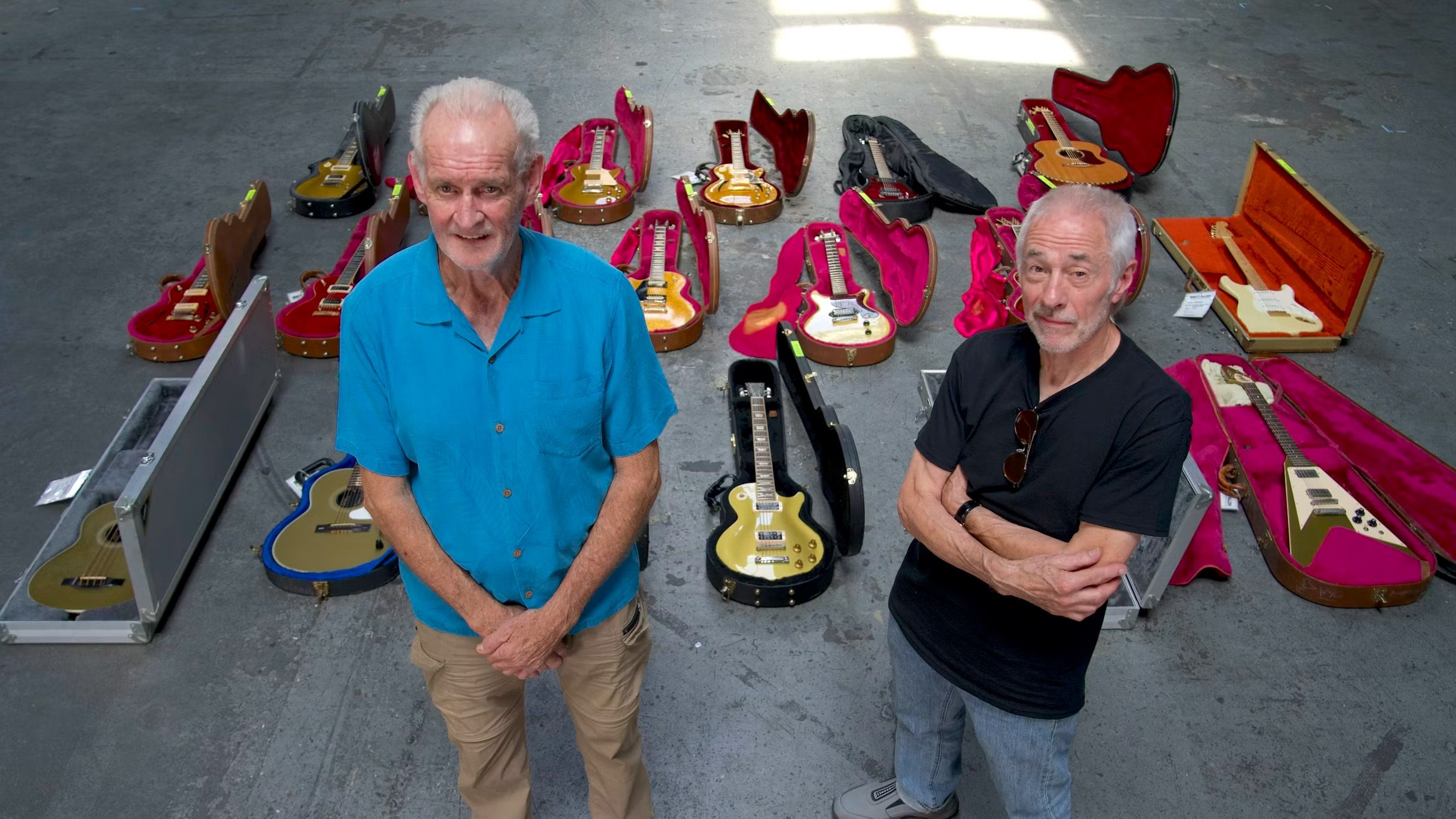
Giffin built the hollowbody Les Paul, then Allen asked him to make more. They created 16 unauthorized guitars bearing the Gibson name, all made from materials Giffin sourced from Gibson's Nashville facility.
“If they found out, we'd be in jail.”
Sourcing materials from Nashville
Giffin would visit Gibson's Nashville headquarters every few months, walk through the wood mill with a trolley, and ask for premium tonewoods. The company would crate and ship everything to him in LA without question.
“I'd say, 'Can I have that and that and that?' And they'd say, 'Yeah, yeah, just take it.'”
Working nights and weekends
Giffin amassed premium woods and spent nights and weekends designing guitars he knew would never go into production. He sent some prototypes back to Nashville for finishing, and Gibson never disapproved.
“Whatever they saw, they obviously didn't disapprove of it, so it just kind of spiraled.”
Original designs from scratch
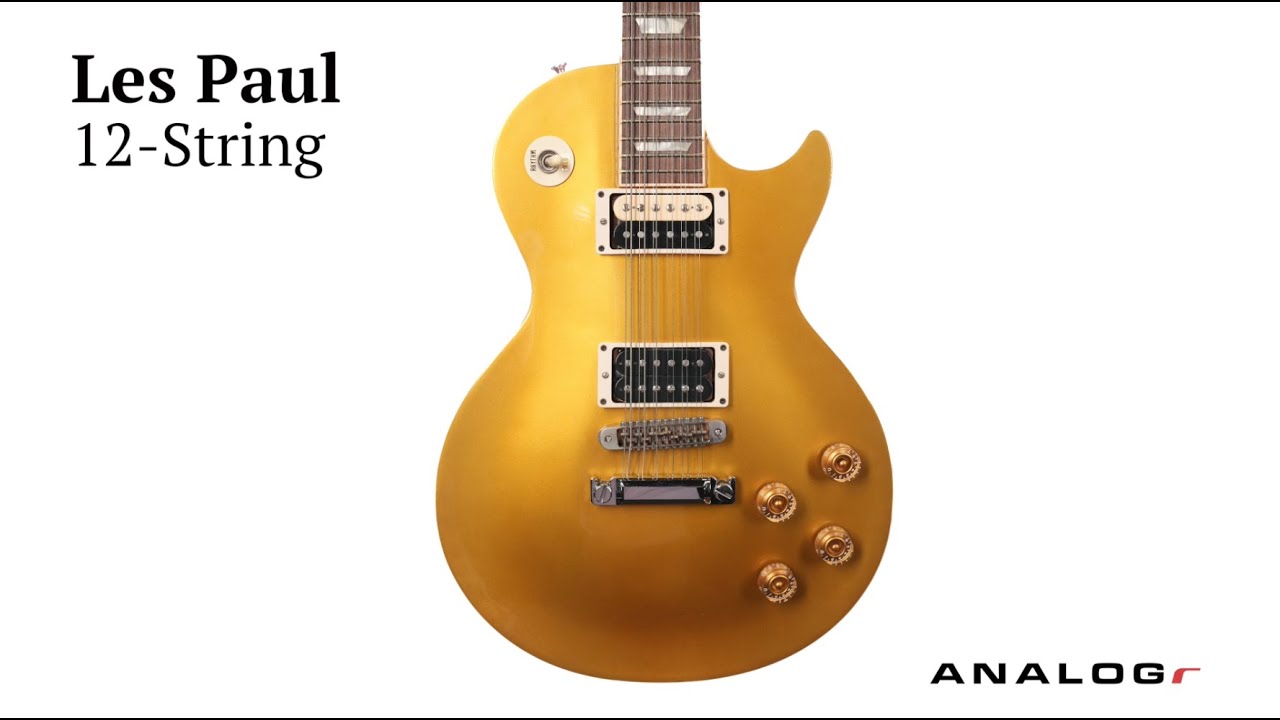
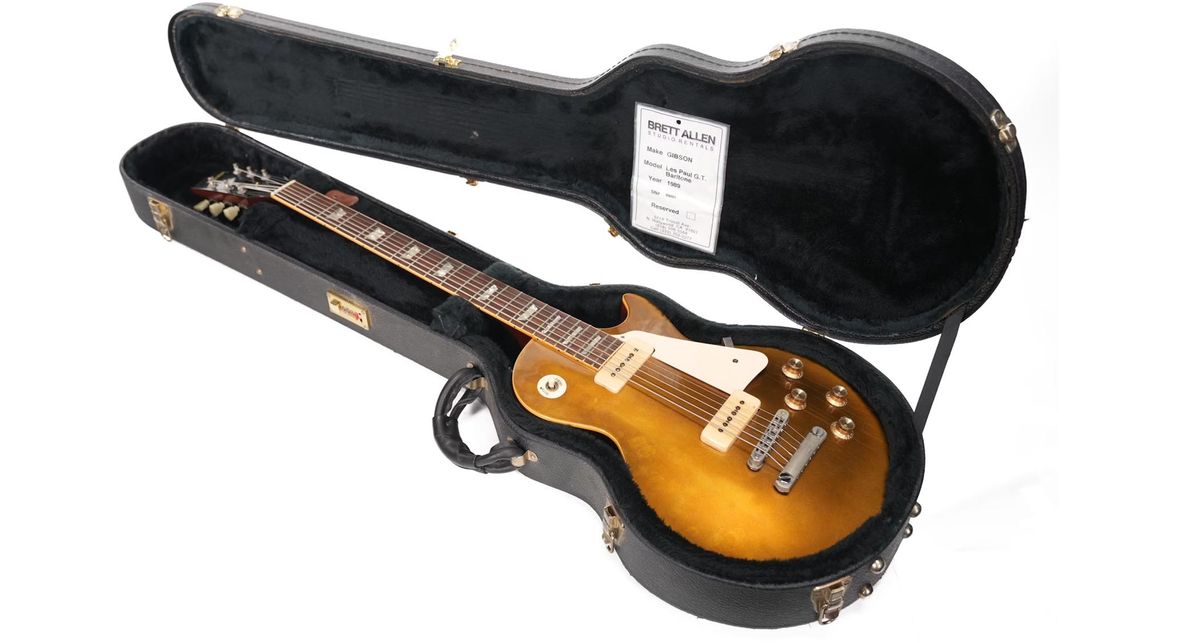
Some guitars were entirely Giffin's creations, like the hollowbody design and a baritone Les Paul. The baritones were especially unique since Gibson never made baritone necks, so Giffin built those from scratch.
“The hollowbodies didn't exist. Those were built from scratch.”
Jerry Cantrell plays the baritone
Allen rented some guitars to artists to test them in professional hands. Alice in Chains' Jerry Cantrell played the baritone Les Paul with P-90 pickups and called it the most evil-sounding guitar he'd ever played.
“This is the most evil-sounding guitar I've ever played in my life.”
Cantrell offers thirty thousand dollars
Cantrell was so impressed he offered thirty thousand dollars to buy the baritone. Allen refused. None of these guitars were for sale, no matter the price.
Designs to upset the CEO
Some guitars were built specifically to irritate Gibson CEO Henry Juszkiewicz. Giffin created a fully hollow Les Paul with a cat's-eye soundhole like a Gretsch, a deliberate middle finger to company leadership.
“What he wanted to do at the time was piss Henry off.”
Hidden under the bed for a decade
All 16 guitars sat underneath Allen's bed in Hollywood for over 10 years. Allen waited until the seven-year statute of limitations passed, then waited three more years to be absolutely certain before going public.
“All of those guitars, literally, were underneath my bed in Hollywood for over 10 years.”
Giffin leaves Gibson in 1992
Things turned nasty at Gibson before Giffin's departure. The company sent in what he calls the hatchet squad. He vowed never to work for an American corporation again and founded Giffin Guitars.
The Outlaw Collection goes to auction
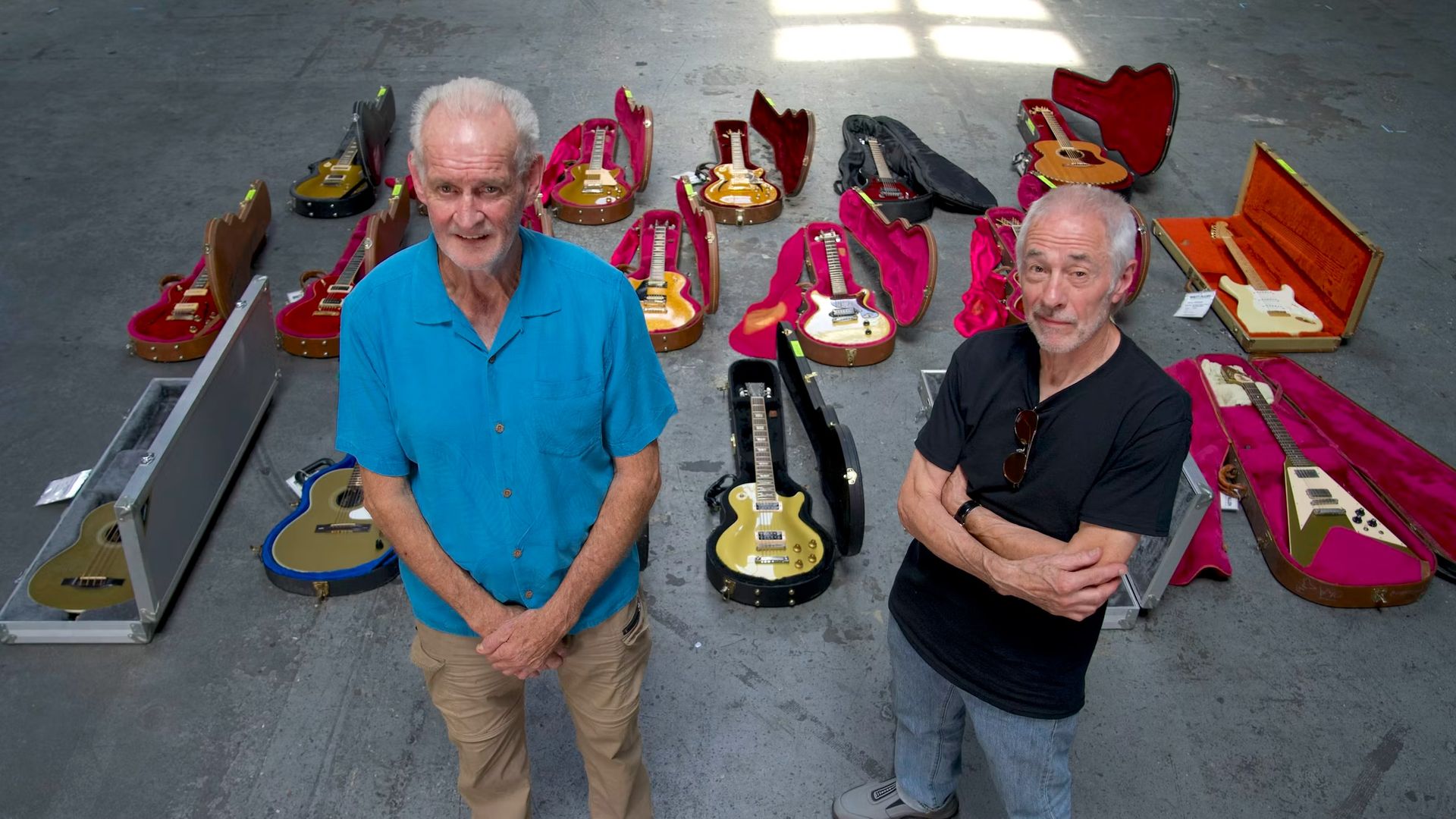
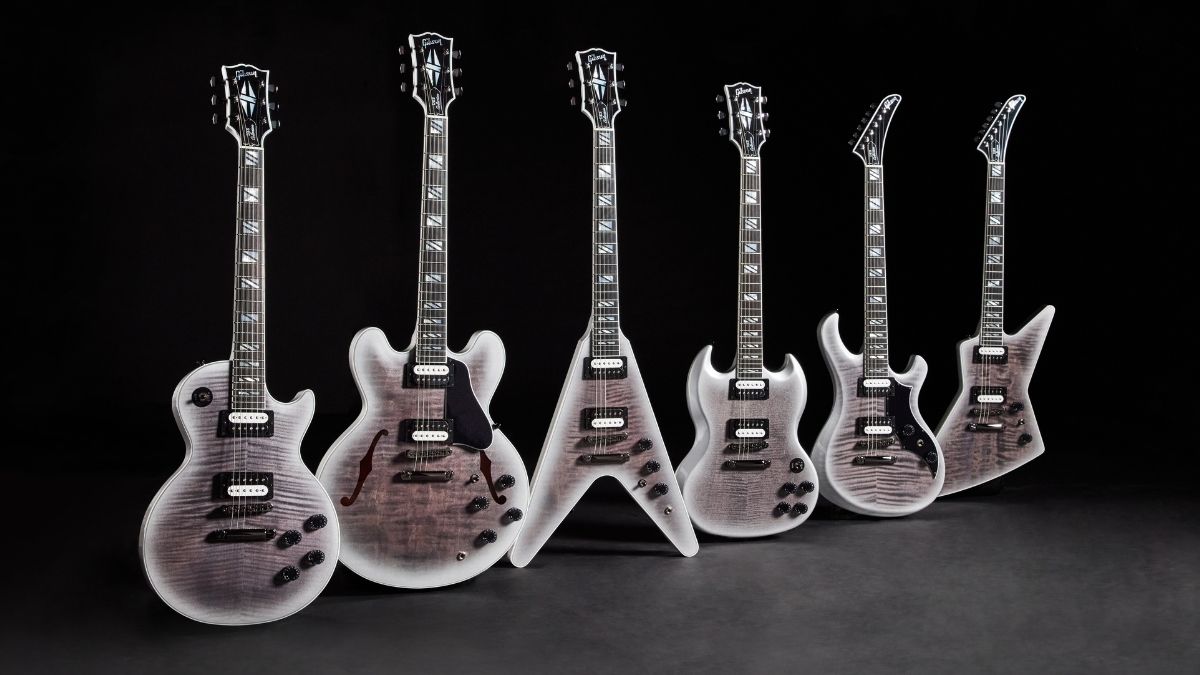
On October 24, the Giffin Gibson Outlaw Guitar Collection went up for auction through ANALOGr. After 10 years of secrecy, these one-of-a-kind guitars are finally available to the public.
The essence
Roger Giffin and Brett Allen created 16 one-of-a-kind Gibson guitars using company materials during the late 1980s, hiding them for over a decade before auctioning them once legally safe.