From Guitar World · · 1m 20s
Why Acoustic Guitar Neck Joins Shape Sound
12-14-fret neck joins define acoustic guitar tone and playability.
In brief
12-14-fret neck joins define acoustic guitar tone and playability. The number of frets between neck and body affects acoustic guitar sound quality, with 12-fret models offering rich tones but limited range, 14-fret guitars providing better playability and louder projection, and 13-fret instruments creating a balanced…
Quick answers
- What is a neck-to-body join?
- The point where guitar neck meets body affects sound and playability.
- What happens next?
- Guitar makers continue to innovate with 12-14-fret neck joins for better sound.
- What is the key takeaway from Why Acoustic Guitar Neck Joins Shape Sound?
- The number of frets between neck and body affects acoustic guitar sound quality, with 12-fret models offering rich tones but limited range, 14-fret guitars providing better playability and louder projection, and 13-fret instruments creating a balanced middle ground.
What is a neck-to-body join?
The point where guitar neck meets body affects sound and playability.
12-fret guitars dominate vintage styles
12-fret necks create rich, complex tones but limit range and access.
14-fret guitars are most common today
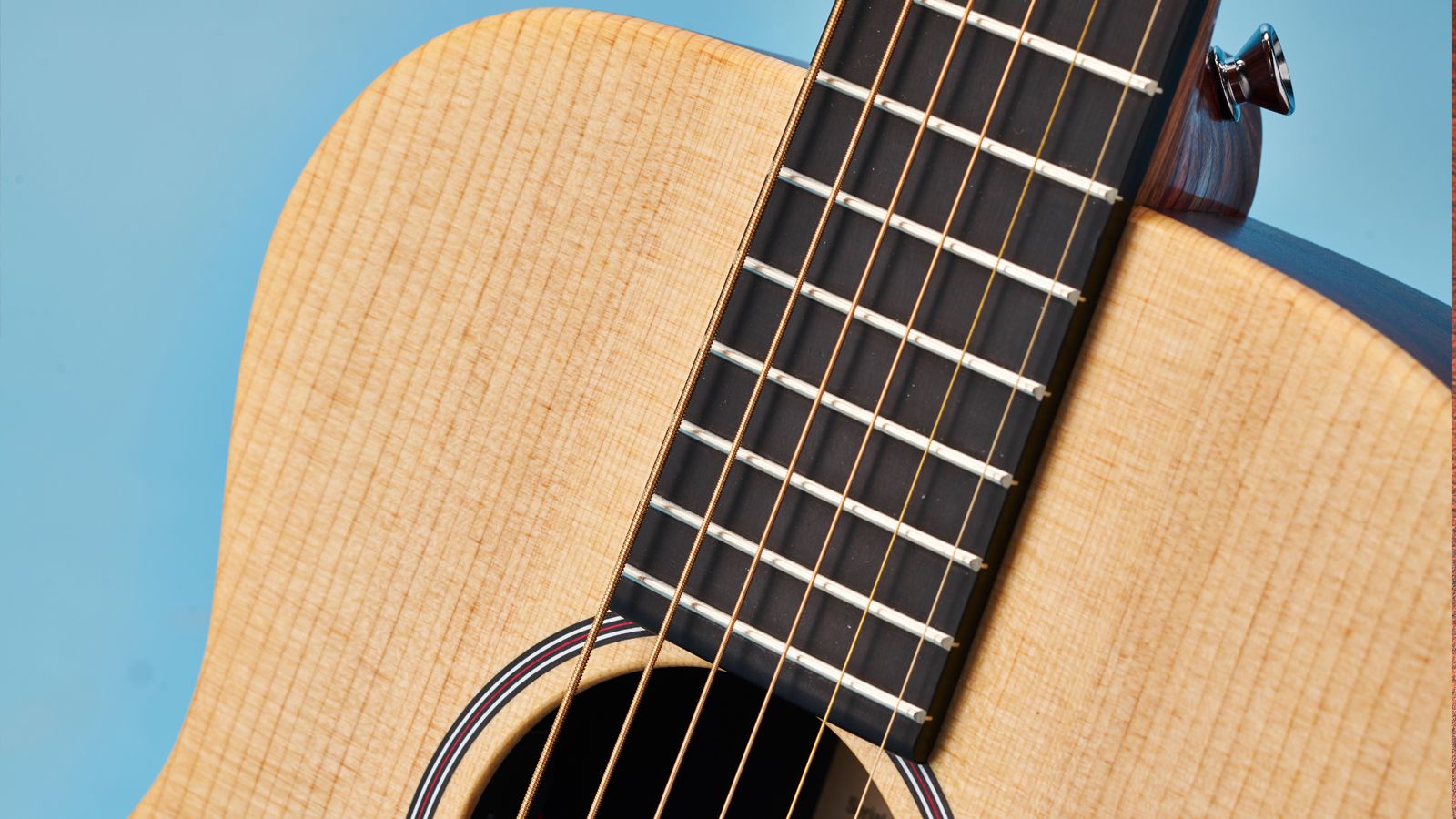
14-fret necks offer better playability and louder projection for modern players.
13-fret guitars fill the gap
13-fret guitars balance 12- and 14-fret strengths for unique tonal qualities.
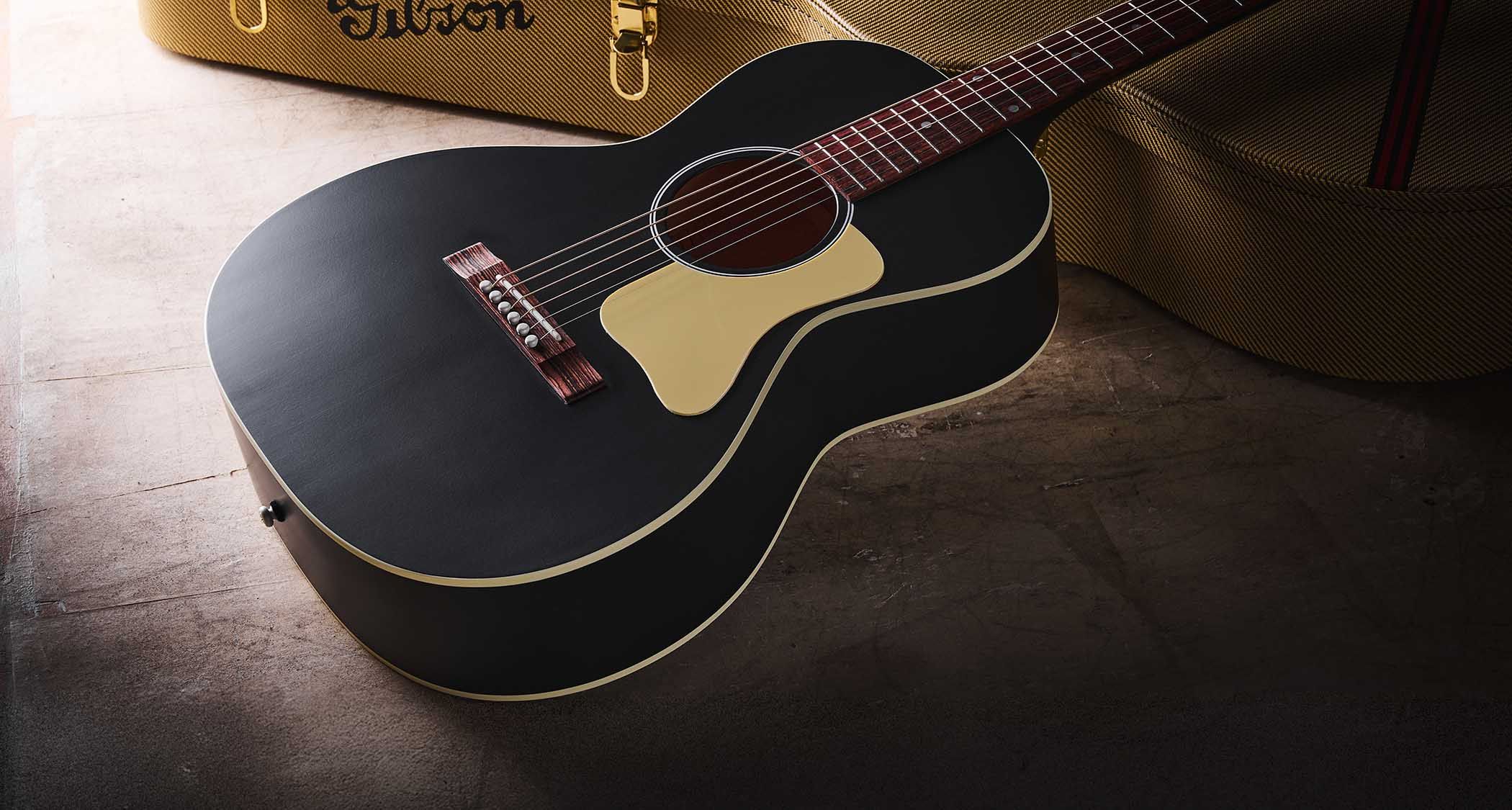
Gibson's 12-fret Century Collection
Gibson releases 12-fret models for the 2026 centennial of flat-top acoustics.
Santa Cruz's H13 model
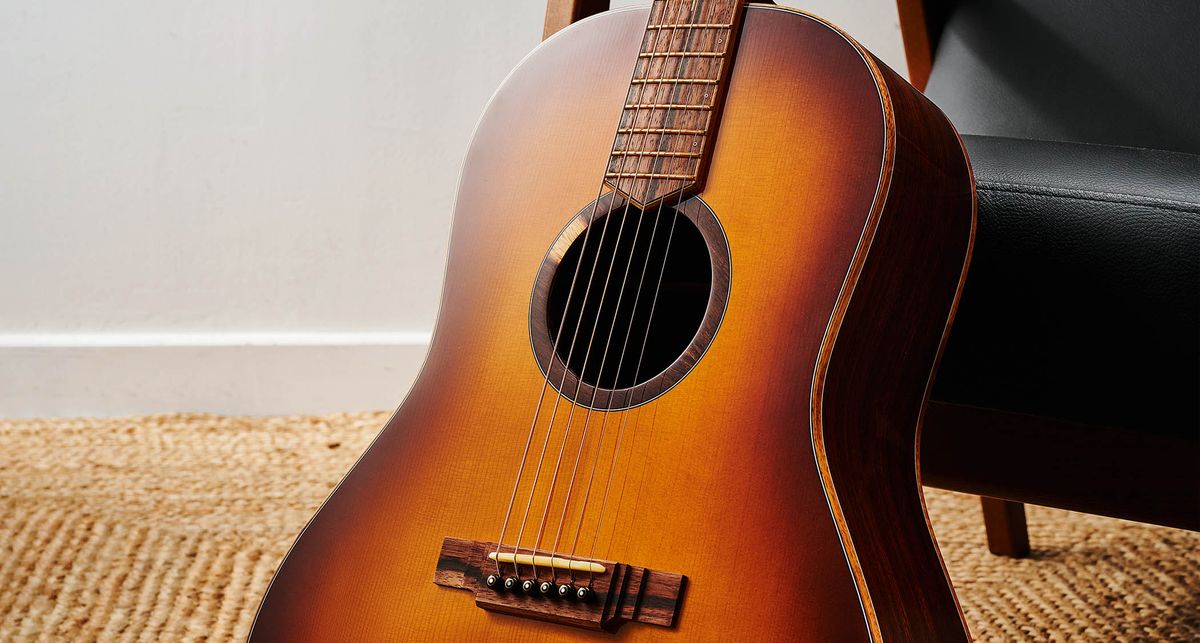
Santa Cruz produces 13-fret guitars with deep bodies for balanced tones.
Ted Strand's 13-fret signature
Ted Strand creates 13-fret guitars for Alan Gogoll with unique sound.
Michael Greenfield's G1
Greenfield offers 12- and 14-fret G1 guitars at same price.
Why 13-fret guitars are popular now
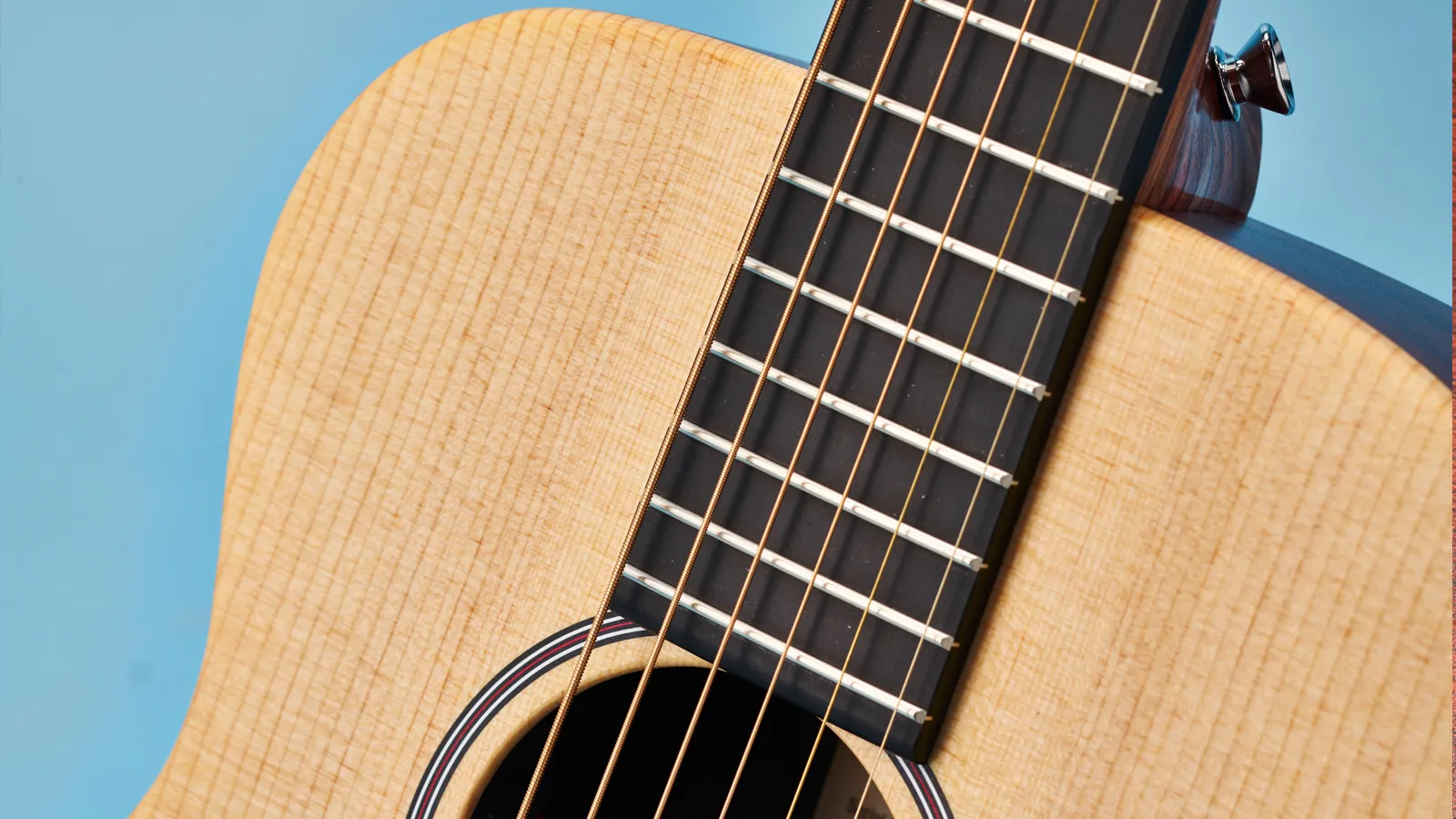
13-fret guitars gain popularity among musicians for balanced tones.
What happens next?
Guitar makers continue to innovate with 12-14-fret neck joins for better sound.
The big picture
The number of frets between neck and body affects acoustic guitar sound quality, with 12-fret models offering rich tones but limited range, 14-fret guitars providing better playability and louder projection, and 13-fret instruments creating a balanced middle ground.