From India Today · Sushim Mukul · · 1m 50s
How Bengali Brahmin helped Jaipur rise from sand
Bengali Brahmin Vidyadhar Bhattacharya designed Jaipur's pink city from a sandy plain.
In brief
Bengali Brahmin Vidyadhar Bhattacharya designed Jaipur's pink city from a sandy plain. Bengali Brahmin Vidyadhar Bhattacharya helped build Jaipur's planned capital from sand in 1727, creating its pink color long before British visits. Originally reported by India Today.
Jaipur's 300th year
Jaipur entered its 300th year of existence this week, founded by Maharaja Sawai Jai Singh II in 1727.
Bengali Brahmin designer
Historian Sir Jadunath Sarkar identified Vidyadhar Bhattacharya as Jaipur's true designer.
Sandy plain to capital
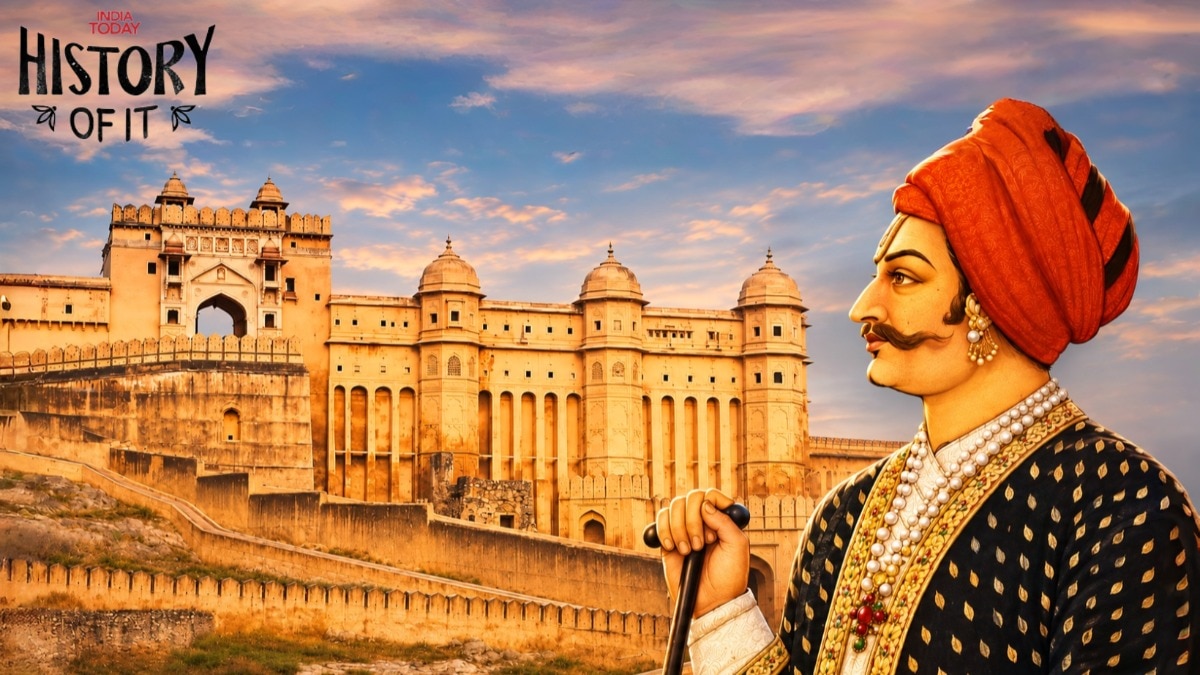
Bhattacharya transformed a sandy rocky plain without a river into a planned capital in 1727.
Royal water system
Jaipur built water channels and reservoirs to manage water without a perennial river.
Pink city origin
Jaipur's pink color came from terracotta wash long before British visits in 1876.
Vidyadhar's role
Vidyadhar Bhattacharya was rewarded for water systems and palace construction in 1734 and 1735.
Historical context
Sawai Jai Singh II moved capital from Amber to plains in 1727 to escape Mughal decline.
Water management
Jaipur used canals, reservoirs, and underground channels to store water without a river.
Pink city explanation
Pink color from terracotta wash imitated Mughal red sandstone for imperial appearance.
What matters most
Bengali Brahmin Vidyadhar Bhattacharya helped build Jaipur's planned capital from sand in 1727, creating its pink color long before British visits.
Read the TL;DR — this story on one card.