From India Today · Radifah Kabir · · 1m 30s
Salt swap could save 3 million lives
Potassium-enriched salt might save 3 million lives but remains a metro luxury in India.
In brief
Potassium-enriched salt might save 3 million lives but remains a metro luxury in India. India's salt swap could prevent 400,000 deaths annually but is inaccessible to most due to pricing and distribution. Originally reported by India Today.
India's salt problem
Indians eat 8 to 11 grams of salt daily, nearly double the WHO's 5 grams recommendation.
Why salt matters
Excess sodium causes high blood pressure, straining the heart, brain and kidneys over time.
Potassium-enriched salt
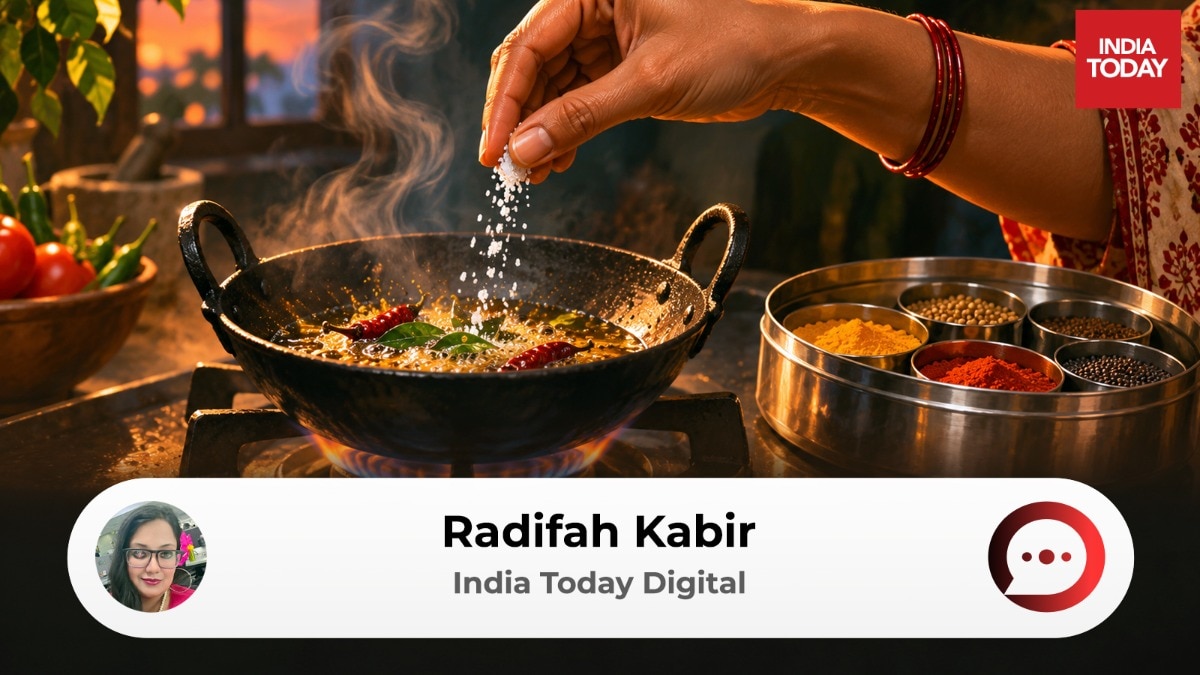
Swaps part of sodium chloride for potassium chloride, reducing sodium while adding potassium.
Health benefits
A global switch could prevent 2.96 million deaths and 10.17 million heart disease cases yearly.
India's potential impact
For India alone, the salt swap could prevent 400,000 deaths and 1.53 million heart disease cases annually.
Real-world trials
The SSaSS trial in China showed salt substitutes reduced strokes by 14 percent and deaths by 12 percent.
Kidney safety concerns
People with kidney disease, potassium supplements or diuretics should avoid potassium-enriched salt.
Why it's hard to access
Potassium-enriched salt costs twice as much as regular iodised salt and is mostly available in urban markets.
Tata Salt Lite
Tata Consumer Products offers low-sodium versions: Tata Salt Lite (15% less sodium) and Superlite (30% less sodium).
Solutions proposed
FSSAI should recognize potassium-enriched iodised salt as approved edible salt and cut GST for distribution.
The problem
A heart-friendly salt should not need a metro postcode to be accessible.
The takeaway
India's salt swap could prevent 400,000 deaths annually but is inaccessible to most due to pricing and distribution.
Read the TL;DR — this story on one card.