From Indiatimes · Biju Mathew · · 2m
Delhi Diwali Pollution: Vehicles vs Crackers
Delhi's air pollution on Diwali shows vehicles contribute 19% to PM2.5, while fireworks cause sharp spikes.
In brief
Delhi's air pollution on Diwali shows vehicles contribute 19% to PM2.5, while fireworks cause sharp spikes. Vehicles and transport emissions contributed 19% to Delhi’s PM2.5 pollution on Diwali, with fireworks causing sharp spikes. Originally reported by Indiatimes.
Vehicles: Endless Pollution Source
Vehicles and transport emissions contributed 19% to Delhi’s PM2.5 pollution on November 8, the largest identified source.
Daily Emissions vs Diwali Spike
Vehicles accounted for 25% of Delhi’s PM2.5 pollution on October 24, while fireworks caused sharp spikes in particulate levels.
Diwali Pollution Spike
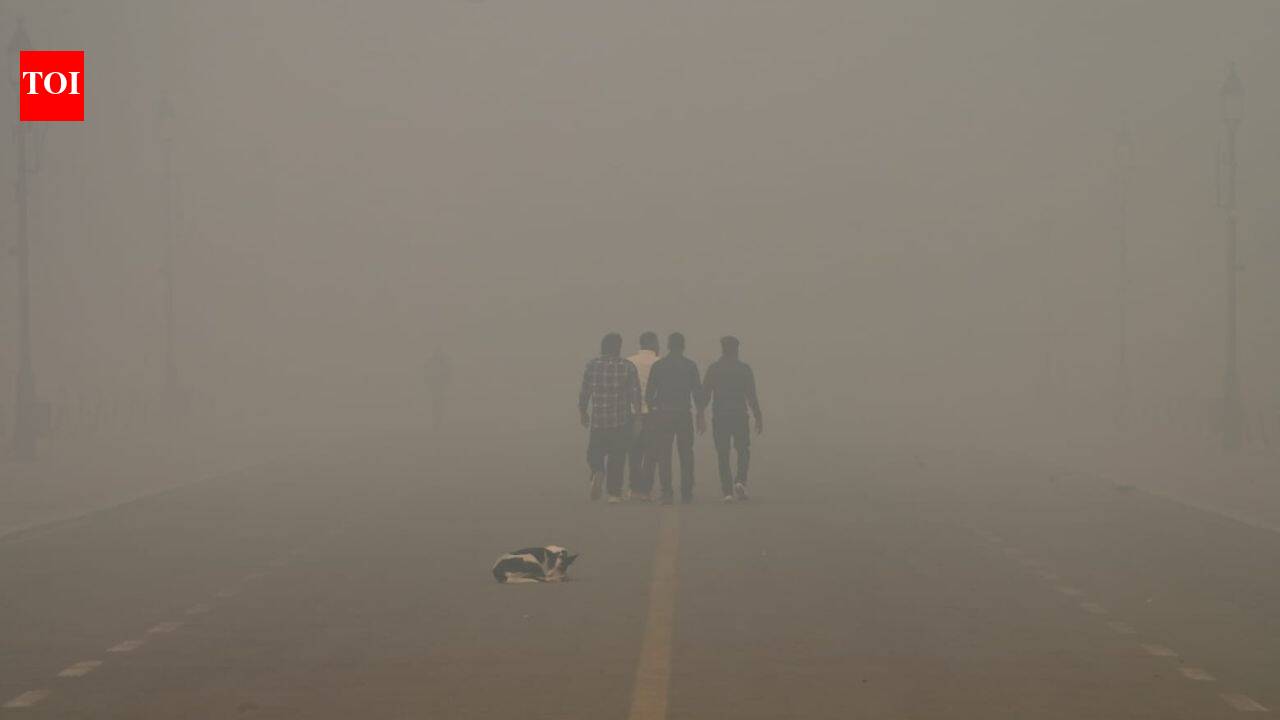
Delhi’s PM2.5 concentration reached 760.99 micrograms per cubic meter at Akshardham at 11pm on November 9.
Severe Air Quality
50 of 54 monitoring stations reported AQI above 300, with 15 entering the severe category on Diwali.
Weather Impact
Low wind speeds and temperature inversion trap pollutants, making dispersion difficult during Diwali.
Combined Emissions
Fireworks add to existing pollution from vehicles, industry, dust and regional sources.
Why Vehicles Matter
Vehicular emissions persist year-round, unlike fireworks which cause short-term spikes.
Diwali AQI Trends
Delhi’s AQI averaged 376 on Diwali November 8, from 369 a day earlier and 368 at 7am on November 9.
The Real Problem
Sustained improvement requires curbing transport emissions, controlling road dust and industrial pollution.
Diwali Pollution Data
IITM’s Decision Support System (DSS) estimated vehicles contributed 19% to Delhi’s PM2.5 pollution on November 8.
Cracker Impact
Firecrackers emit fine particles and gases that degrade air quality quickly.
Long-Term Solution
One night of action cannot fix year-long air pollution problems in Delhi.
Regional Coordination
Improving regional coordination is needed to address Delhi’s air pollution effectively.
Diwali Pollution Sources
Secondary organic aerosols contributed 18.4%, secondary inorganic aerosols 16.5%, road dust 10.9% and waste burning 5%.
Air Quality Warning
Air Quality Early Warning System says dispersion is difficult when ventilation index is below 6,000 square meters per second.
Diwali Pollution Challenge
Cracker restrictions can curb festive spikes but sustained improvement requires year-round solutions.
In short
Vehicles and transport emissions contributed 19% to Delhi’s PM2.5 pollution on Diwali, with fireworks causing sharp spikes.