From Indiatimes · Yashasvi Vasistha · · 3m
Nvidia's AI chips: The technology China wants and America won't share
US and China battle over Nvidia's AI chips as espionage scandal intensifies.
In brief
US and China battle over Nvidia's AI chips as espionage scandal intensifies. US restricts Nvidia chip exports to China while China seeks alternatives amid espionage allegations. Originally reported by Indiatimes.
The AI chip conflict
America wants to keep its most powerful AI chips out of China's hands but cannot afford to lose the market.
Nvidia CEO's alleged affair
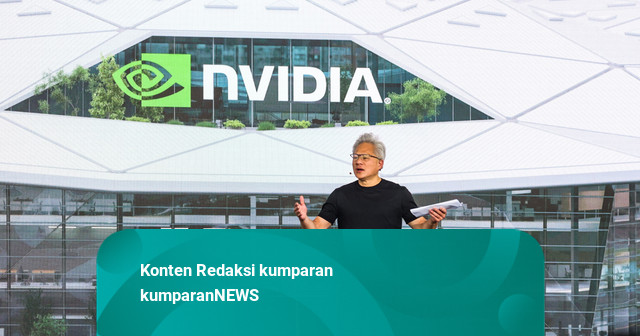
Nvidia CEO Jensen Huang admitted to an extramarital affair with Alice Huang, a former executive of Singapore-based Megaspeed.
US intelligence concerns
US intelligence assessments raised concerns about Alice Huang's alleged links to Chinese intelligence, claims Beijing rejected.
Nvidia's board investigation
Nvidia's board launched an independent investigation into whether its CEO was targeted by foreign intelligence.
Why Nvidia chips matter
Nvidia's graphics processing units are central to modern ai systems and require enormous computing power for training and running ai models.
US export controls
The US tightened restrictions on exports of advanced semiconductors to China since October 2.2022 to limit ai development and military capabilities.
Nvidia's market share in China
Nvidia held 34% of China's data-centre ai chip market in the first half of 2026, shipping 678,000 ai accelerators.
H200 processors in focus
The H200 has become a key point of friction as China restricted purchases to special circumstances like university research.
China's chip alternatives
China accelerated domestic alternatives with companies like Huawei, Cambricon, and Alibaba's T-Head working to expand their presence.
US case against chip diversion
In November 2025, the US Department of Justice charged four people with conspiring to illegally export Nvidia GPUs to China using false paperwork.
Megaspeed's $4.8 billion
Megaspeed reported purchases of Nvidia processors valued at about $4.8 billion over two years.
Nvidia's lobbying efforts
Huang lobbied hard for looser chip rules, joined Trump aboard Air Force One for his May trip to Beijing, and attended the September White House state dinner.
US legislative response
Proposals like the AI Overwatch Act and Chip Security Act aim to strengthen congressional oversight of ai chip exports and prevent technology from reaching adversaries.
China's response to restrictions
Beijing restricted large-scale imports of Nvidia H200 processors, holding around 600,000 in Hong Kong while awaiting approval for shipment to mainland China.
Global implications
The dispute affects semiconductor supply chains globally, with companies in Taiwan and other regions impacted by the US-China tech rivalry.
What happens next
The US and China continue their battle over ai chip access, with both sides accelerating efforts to develop alternatives and secure their technological advantages.
The takeaway
US restricts Nvidia chip exports to China while China seeks alternatives amid espionage allegations.