From Jalopnik · Erik Sherman · · 1m 20s
Britain's Police Drivers Trained by Racing Experts in 1930s
British police drivers learned life-saving car control skills from racing drivers in the 1930s, cutting accident rates by 90%.
In brief
British police drivers learned life-saving car control skills from racing drivers in the 1930s, cutting accident rates by 90%. In the 1930s, British police drivers were trained by racing experts to reduce accidents, lowering collision rates from one crash every 9,000 miles to one every 72,500 miles by 1954. Originally…
British police drivers trained by racing experts
In the 1930s, Britain's Metropolitan Police Service used racing drivers to teach police car drivers life-saving skills.
Earl of Cottenham trained police instructors
Mark Everard Pepys, the 6th Earl of Cottenham, taught police drivers advanced car control techniques in 1937.
Roadcraft system created in 1937
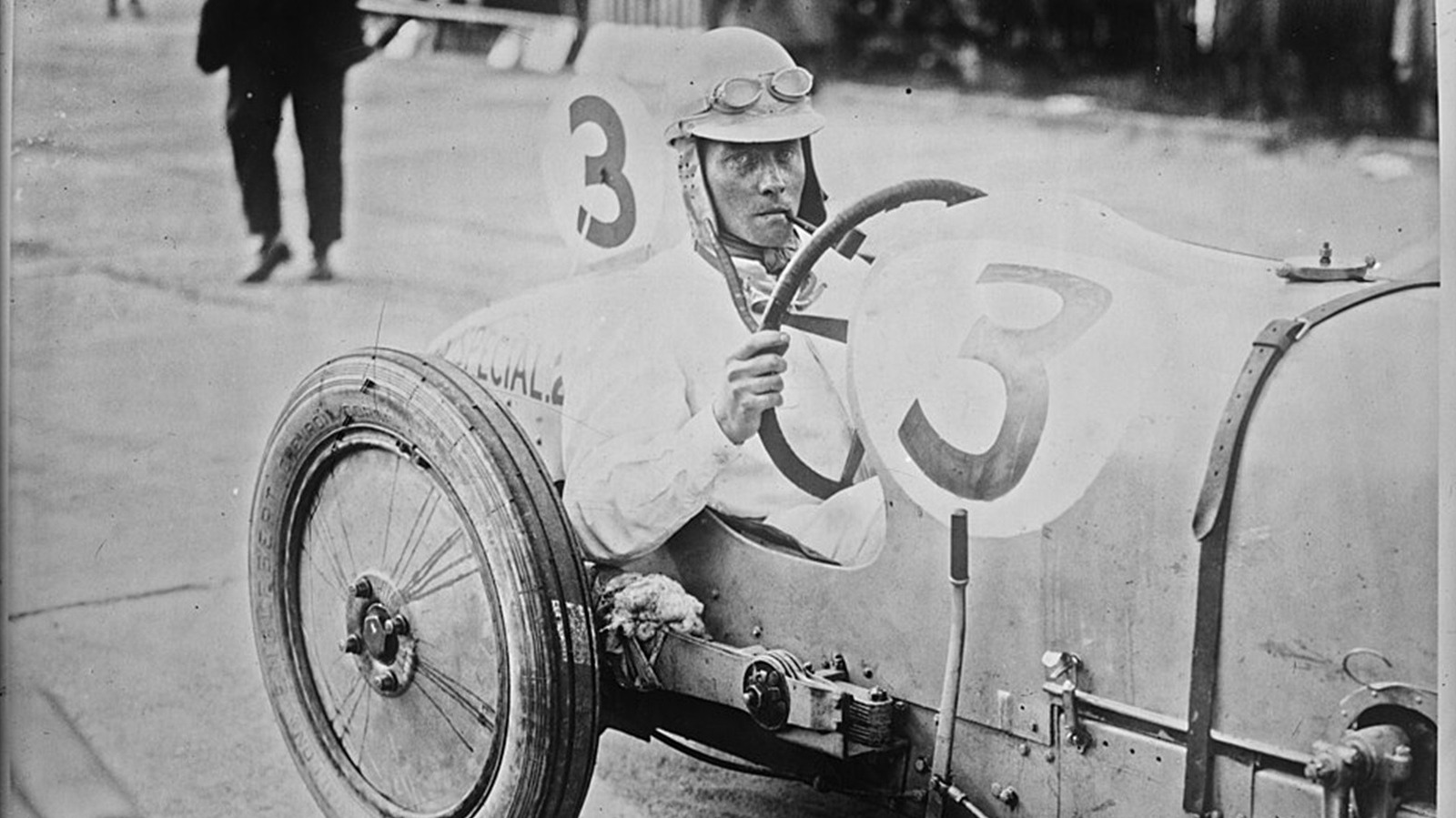
The Metropolitan Police established the Roadcraft system in 1937 to emphasize right place, right time, right speed, and right gear driving principles.
Accident rates dropped significantly
By 1939, police collisions fell from one crash every 9,000 miles to one every 25,000 miles, and by 1954, to one every 72,500 miles.
Racing expertise saved lives
The Roadcraft system, developed by racing drivers, reduced police accidents by 90% over 16 years.
Police drivers still use Roadcraft today
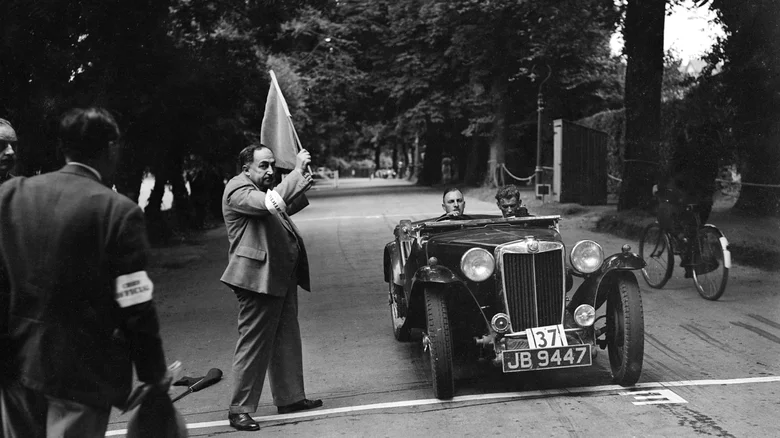
Almost 90 years after its creation, the Roadcraft system remains the standard for British police driving training.
At a glance
In the 1930s, British police drivers were trained by racing experts to reduce accidents, lowering collision rates from one crash every 9,000 miles to one every 72,500 miles by 1954.




