From Jalopnik · Beverly Braga · · 1m 20s
Carbon-Carbon vs Carbon-Ceramic Brakes Explained
Carbon-carbon brakes outlast carbon-ceramic by 100,000 miles but cost thousands more.
In brief
Carbon-carbon brakes outlast carbon-ceramic by 100,000 miles but cost thousands more. Carbon-carbon brakes last 100,000 miles versus carbon-ceramic's 50,000, but are far more expensive for most drivers. Originally reported by Jalopnik.
Quick answers
- What Are Carbon Brakes?
- Brakes control vehicle momentum via friction. Pushing the pedal transfers force to slow the roll through hydraulic pressure.
- What is the key takeaway from Carbon-Carbon vs Carbon-Ceramic Brakes Explained?
- Carbon-carbon brakes last 100,000 miles versus carbon-ceramic's 50,000, but are far more expensive for most drivers.
What Are Carbon Brakes?
Brakes control vehicle momentum via friction. Pushing the pedal transfers force to slow the roll through hydraulic pressure.
Standard Brakes Use Cast-Iron
Most cars use cast-iron rotors, which are affordable, durable, and maintain a Goldilocks temperature range.
Carbon-Ceramic Brakes Are Lighter
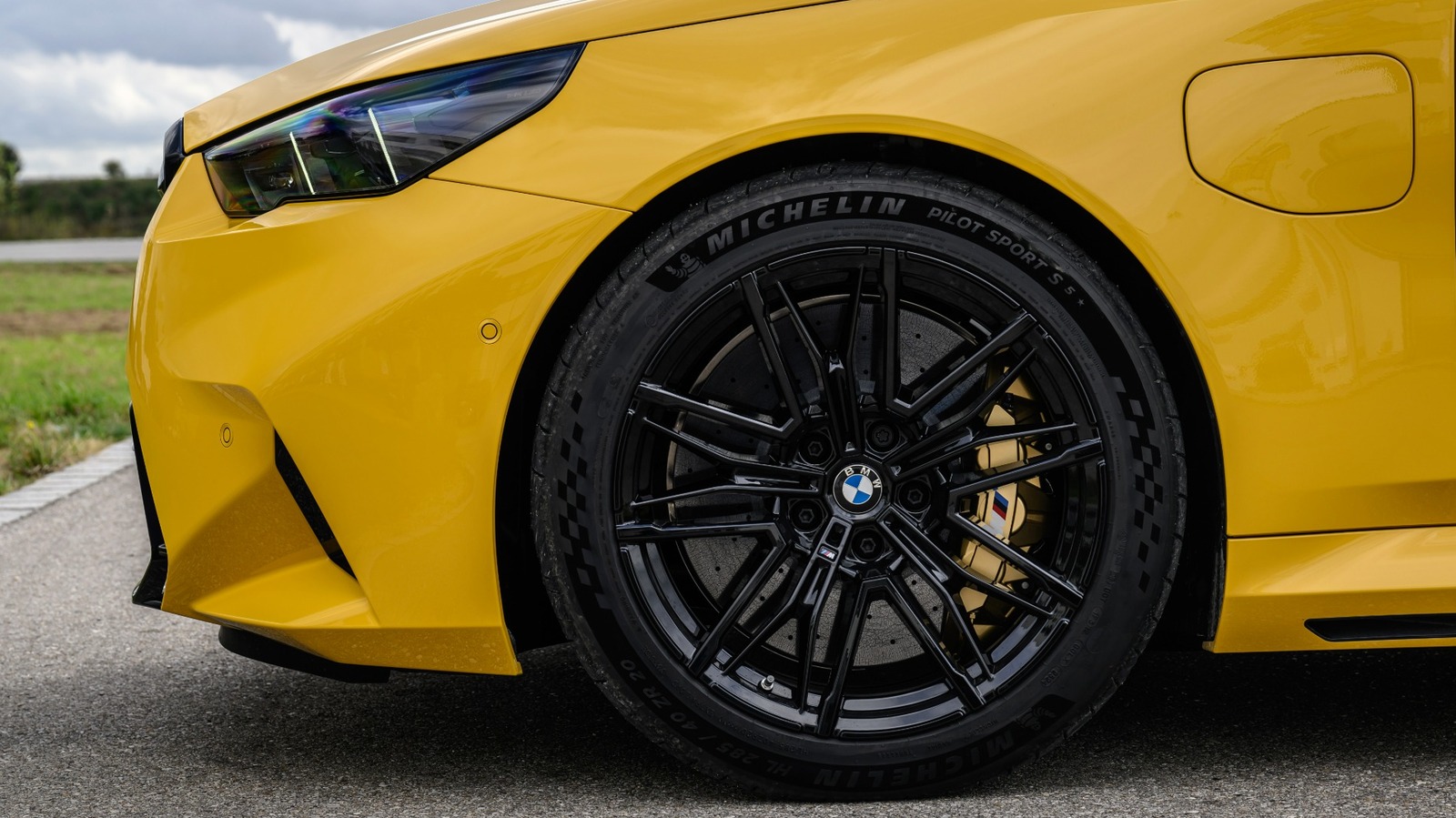
Carbon-ceramic brakes use carbon fiber and silicon carbide, making them lighter, stronger, and heat-resistant than cast-iron.
Carbon-Ceramic Lasts 50,000 Miles
Carbon-ceramic rotors last about 50,000 miles versus cast-iron's 100,000 miles, with minimal brake dust or noise.
Carbon-Carbon Brakes Are Even Stronger
Carbon-carbon brakes are made entirely of carbon and were developed for the Concorde, which had a 250 mph takeoff speed.
Carbon-Carbon Handles Extreme Heat
Carbon-carbon brakes withstand up to 5,432 degrees Fahrenheit versus 1,292 degrees for standard rotors without overheating.
Carbon Brakes Cost Thousands More
Carbon-ceramic brakes cost $3,000 to $15,000, while carbon-carbon brakes can exceed $20,000 for high-end sports cars.
Carbon Brakes Not for Commuters
Carbon brakes are best for track-only racing or high-performance vehicles, not daily drivers or winter cars.
The main idea
Carbon-carbon brakes last 100,000 miles versus carbon-ceramic's 50,000, but are far more expensive for most drivers.