From Jalopnik · Beverly Braga · · 1m 10s
Flatbed vs Wheel-Lift Tow Trucks: Key Differences
Flatbeds handle heavy vehicles safely; wheel-lifts suit everyday cars.
In brief
Flatbeds handle heavy vehicles safely; wheel-lifts suit everyday cars. Flatbeds prevent drivetrain damage for 4x4s and AWD cars, while wheel-lifts are better for lighter vehicles and shorter trips. Originally reported by Jalopnik.
Quick answers
- What is a flatbed tow truck?
- A flatbed features a long, flat platform that uses hydraulic power to tilt and load disabled vehicles.
- What is the key takeaway from Flatbed vs Wheel-Lift Tow Trucks: Key Differences?
- Flatbeds prevent drivetrain damage for 4x4s and AWD cars, while wheel-lifts are better for lighter vehicles and shorter trips.
What is a flatbed tow truck?
A flatbed features a long, flat platform that uses hydraulic power to tilt and load disabled vehicles.
Why flatbeds are safer for high-value cars
Flatbeds prevent drivetrain damage for luxury vehicles and vintage cars during towing.
How wheel-lifts work
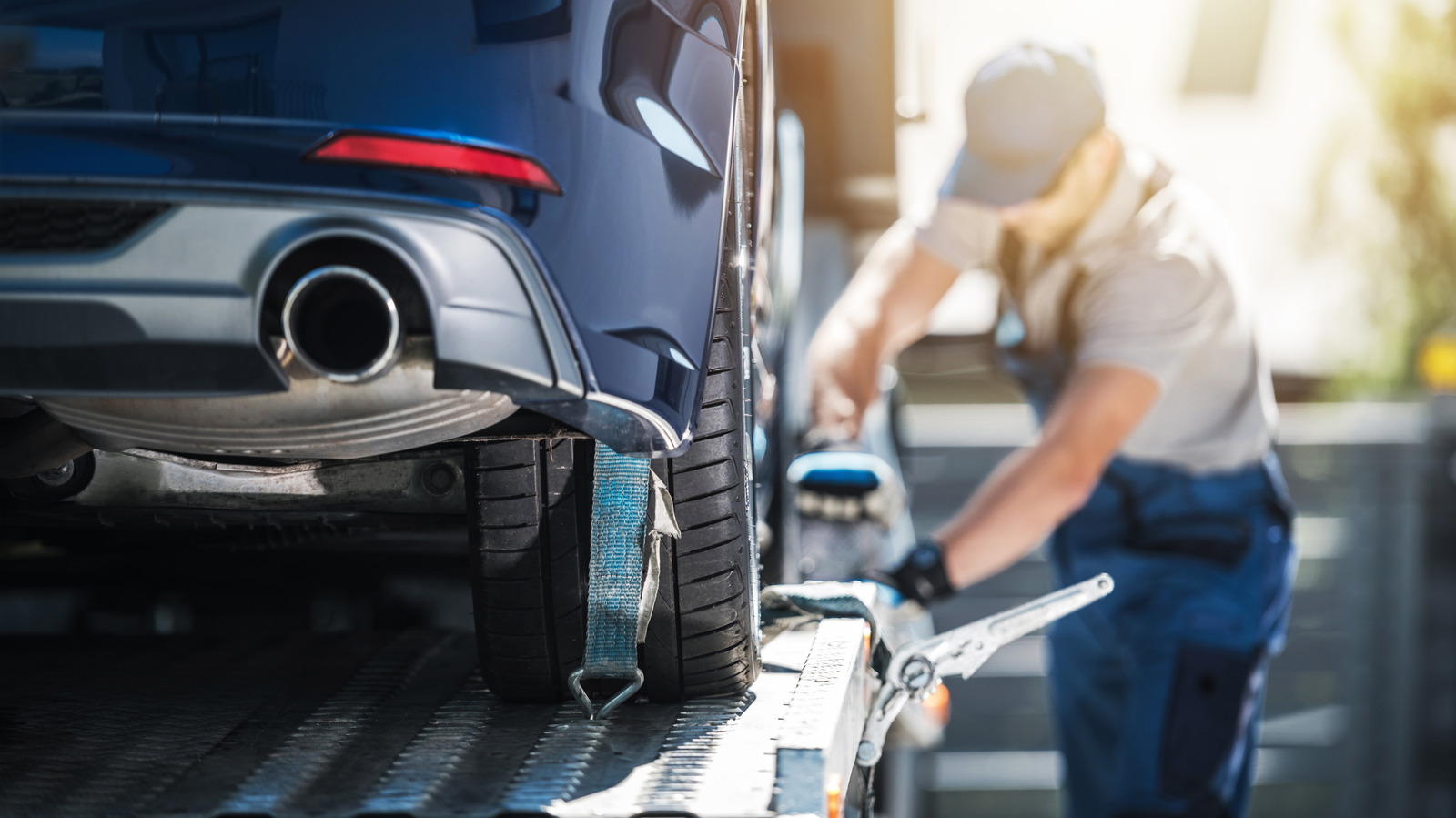
Wheel-lifts use a hydraulic yoke to lift front or rear wheels, keeping two wheels on the road.
When to use a wheel-lift
Wheel-lifts handle dead starters, overheated engines, and potholes without damaging the vehicle.
When to use a flatbed
Flatbeds are safer for off-road and all-wheel-drive vehicles to prevent drivetrain damage.
Location affects tow choice
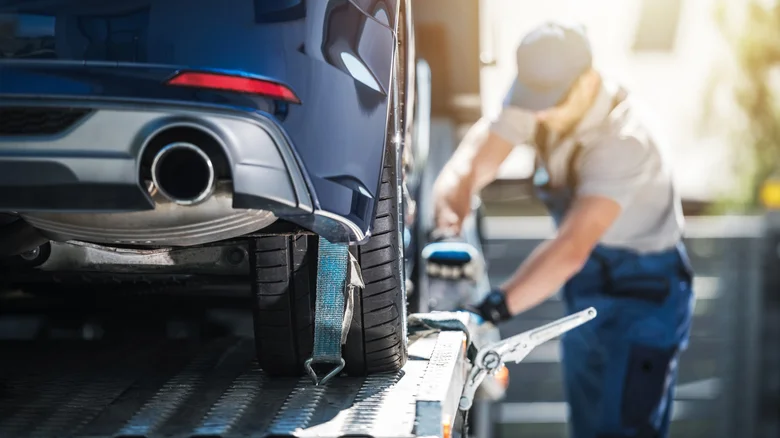
Narrow spaces require wheel-lifts; hilly terrain favors flatbeds for stability and load handling.
Cost and time differences
Wheel-lifts are cheaper and faster; flatbeds cost more due to heavier equipment and longer setup.
The one thing
Flatbeds prevent drivetrain damage for 4x4s and AWD cars, while wheel-lifts are better for lighter vehicles and shorter trips.