From Jalopnik · Josh West · · 1m 30s
NHTSA vs IIHS Safety Test Differences
How NHTSA and IIHS crash tests differ in methods and ratings.
In brief
How NHTSA and IIHS crash tests differ in methods and ratings. NHTSA uses 35 mph frontal crashes and rollover tests; IIHS uses 40 mph offset crashes and detailed safety features. Originally reported by Jalopnik.
NHTSA and IIHS safety tests
NHTSA and IIHS are two organizations that rate vehicle safety through different crash tests.
NHTSA frontal crash test
NHTSA crashes cars head-on at 35 miles per hour into a fixed barrier to simulate two vehicles colliding.
IIHS frontal crash test
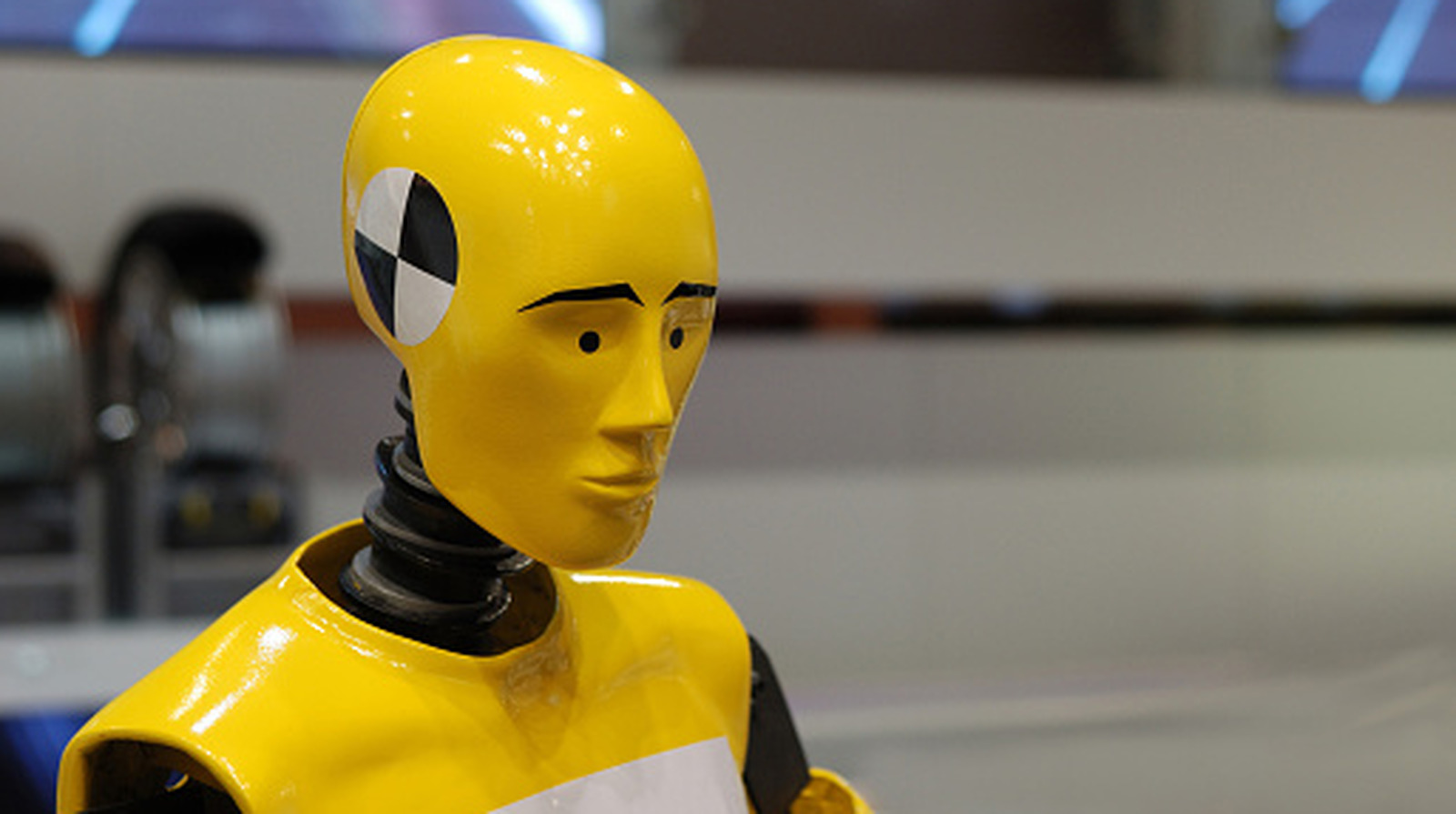
IIHS conducts offset crashes at 40 miles per hour to simulate less direct collisions with obstacles.
NHTSA side impact tests
NHTSA uses two side impact tests: a 3,000-pound barrier at 38.5 mph and a pole at 20 mph.
IIHS side impact test
IIHS uses a single side impact test with a 4,200-pound rig at 37 miles per hour.
NHTSA rollover resistance
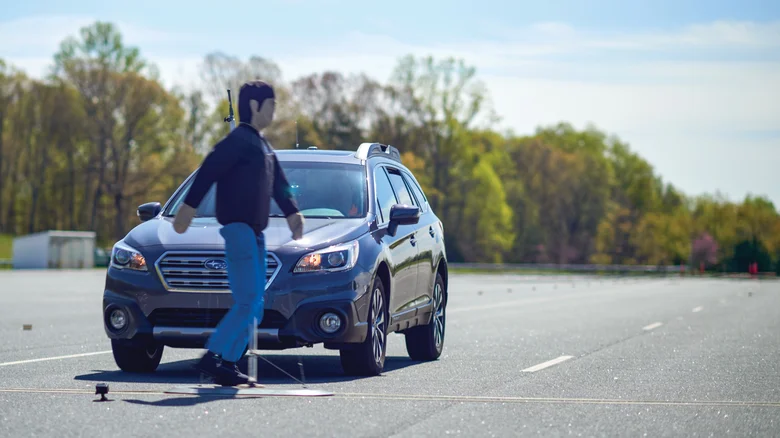
NHTSA specifically tests rollover resistance using static and dynamic maneuvers to assess risk.
IIHS safety features
IIHS rates headlights, front crash prevention, pedestrian safety, and seat belt reminders separately.
NHTSA star ratings
NHTSA assigns star ratings based on injury likelihood, from one star (greater than 40% risk) to five stars (less than 10% risk).
IIHS ratings system
IIHS uses Good, Acceptable, Marginal, and Poor ratings with a Top Safety Pick designation.
Five stars vs Top Safety Pick
Five stars from NHTSA and a Top Safety Pick from IIHS reflect different safety standards and criteria.
The headline
NHTSA uses 35 mph frontal crashes and rollover tests; IIHS uses 40 mph offset crashes and detailed safety features.



