From Jalopnik · Charles Krome · · 50s
Why Some School Buses Have Flat Fronts
School buses with flat fronts offer better driver visibility and more seats but face maneuverability challenges.
In brief
School buses with flat fronts offer better driver visibility and more seats but face maneuverability challenges. Transit-style school buses have flat fronts for improved driver sightlines and higher passenger capacity than conventional models. Originally reported by Jalopnik.
Early School Bus History
School buses evolved from horse-drawn wagons to motorized vehicles by 1914.
Crown Coach Innovation
Crown Coach introduced forward-control buses in 1932, adapting flat-faced delivery trucks for municipal transit.
Class C vs. Class D Buses
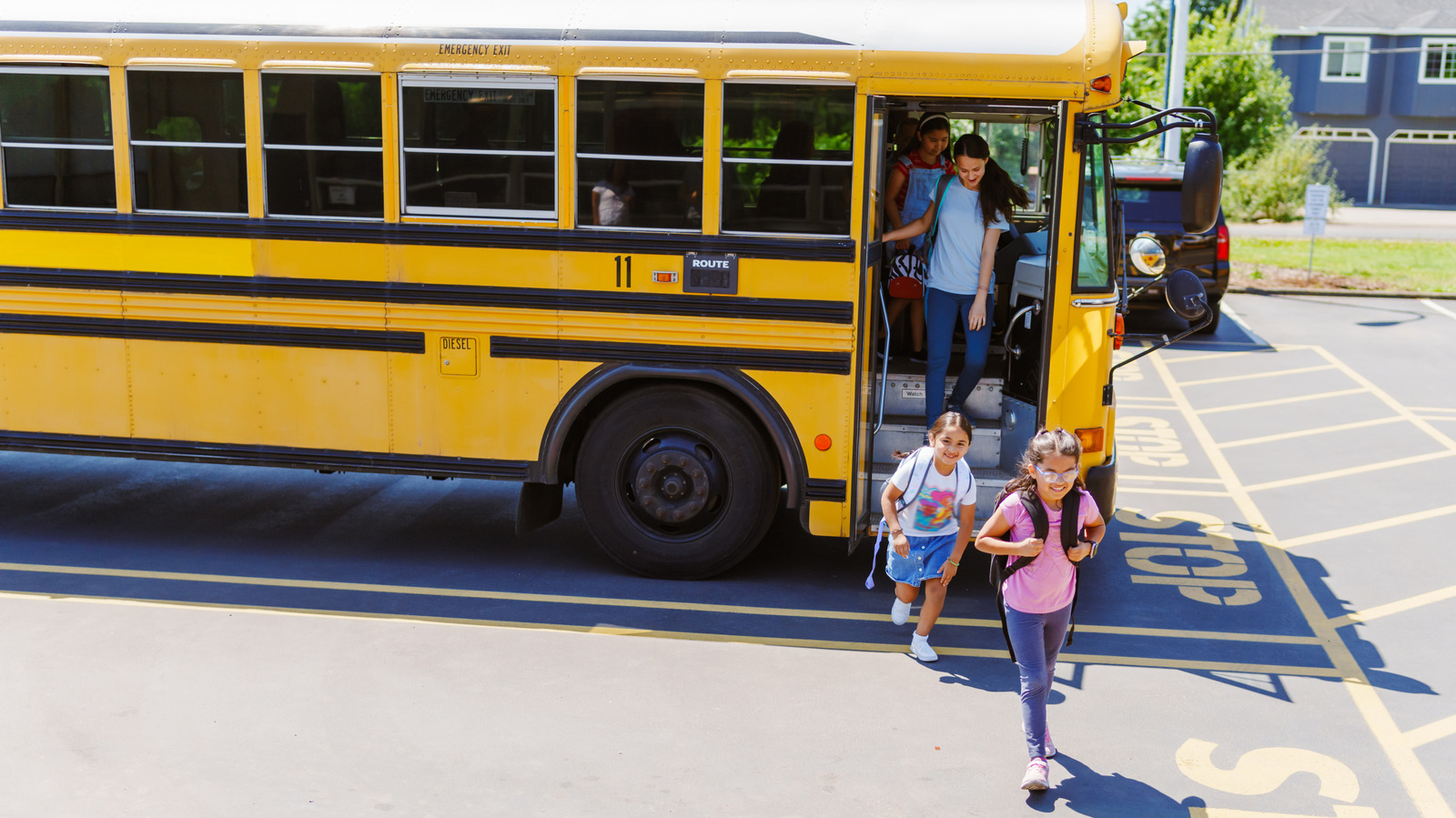
Class C buses have engines front and exits behind wheels; Class D buses can place engines anywhere.
Passenger Capacity Differences
Flat-front buses hold up to 90 passengers versus conventional buses' 77 to 83.
Driver Visibility and Noise
Transit-style buses improve driver sightlines and reduce noise, heat, and air pollution.
The essence
Transit-style school buses have flat fronts for improved driver sightlines and higher passenger capacity than conventional models.