From Kiplinger · · 3m
Dolly's lesson: 7 ways to stop your estate from becoming a family war
Even the best-laid plans can spark fights. Here's how to protect your legacy from becoming a legal mess.
In brief
Even the best-laid plans can spark fights. Here's how to protect your legacy from becoming a legal mess. Put your estate plan in writing, use trusts for privacy, name an executor, explain unequal gifts, list personal property, and consider no-contest clauses to prevent family disputes after you're gone. Originally…
Dolly's cautious legacy
Dolly Parton died August 25 after spending years ensuring her complex estate wouldn't become a family mess. She used trusts and business entities to keep assets private, but a lawsuit between her manager and nephew over control has already emerged.
Most families aren't prepared
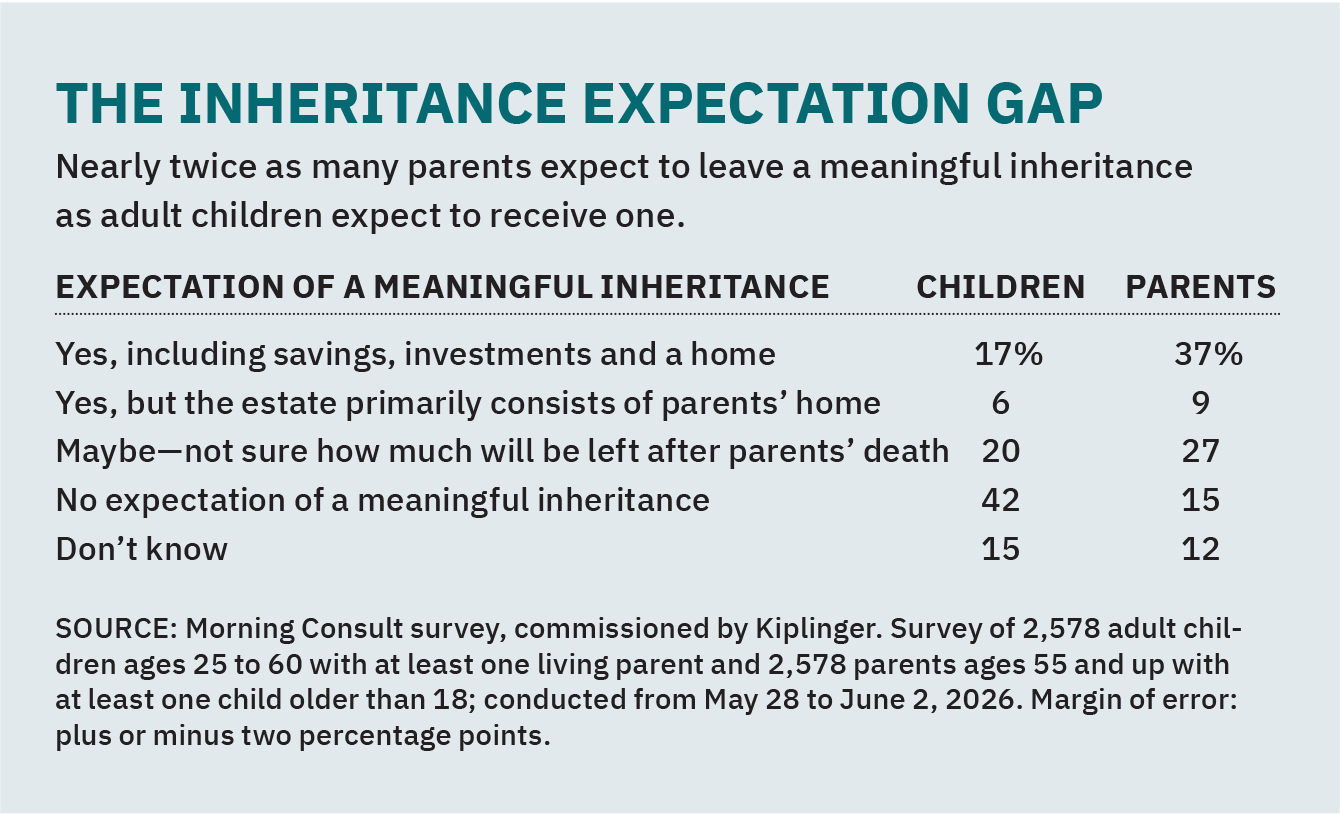
A Kiplinger-Morning Consult survey found two in five families have never discussed inheritance, and 30% of parents have no formal estate plan at all. Over half say their estate documents are incomplete or outdated.
What actually causes estate fights
Disputes rarely start with money alone. They erupt over who controls the estate, whether the split feels fair, surprises in the paperwork, or promises someone thought they were made but weren't documented.
Step 1: Put your plan in writing
A missing, outdated or incomplete estate plan is likely to spark a dispute, even in close families. Update your documents every three to five years or after major life events like divorce.
Step 2: Consider a trust
A will must go through probate court, which is public, takes months, and costs money. A funded living trust avoids probate and lets your trustee follow your instructions faster and privately.
Step 3: Name who's in charge
If you don't name an executor, a court or state law will pick one for you. Choose someone organized, trusted and able to follow your wishes without waiting for family approval.
Step 4: Explain unequal gifts now
Most fights start with 'why do they get that and not me?' If one child gets the business and another gets cash, explain your reasoning in a family discussion and document it in your plan.
“The primary thing to keep in mind when deciding how to divide your estate is communicating the reasons for that decision and having those memorialized in your estate plan specifically.”
Step 5: List who gets what
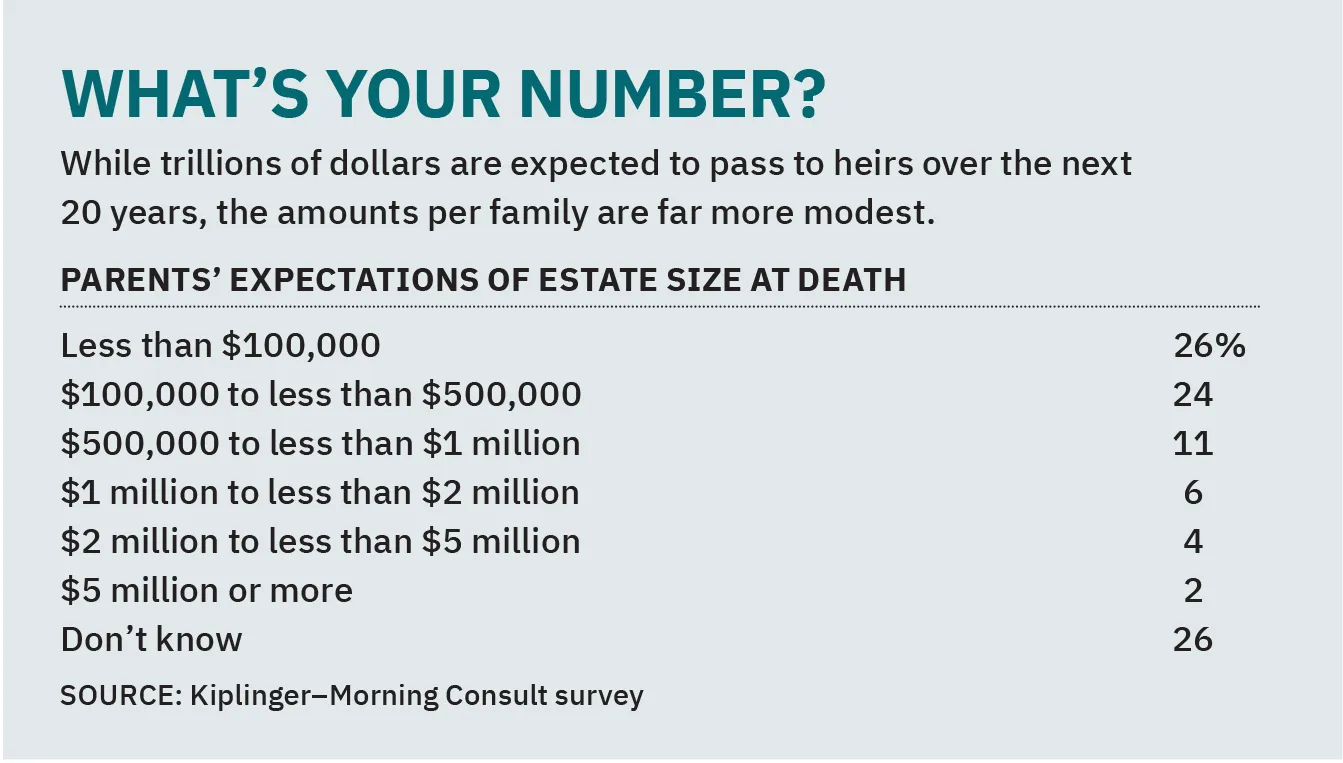
Make a detailed list of personal property like jewelry, artwork, cabins and cars, and keep it somewhere safe. Dividing personal items beforehand prevents the fights that often end sibling relationships.
Step 6: Keep things private
A will must go through probate to be enforceable, making it public record. A trust can keep your assets and how they're managed out of the public eye if privacy matters to you.
Step 7: Add a no-contest clause
A no-contest clause says 'if you challenge this plan and lose, you forfeit what I left you.' It deters frivolous fights, but only works if the person has something to lose. State laws vary on enforcement.
“A no-contest clause discourages frivolous fights, but it does not replace a well-crafted plan.”
The real lesson
A solid estate plan ensures your assets and healthcare wishes are honored. But as Dolly's case shows, things don't always go as planned. The kindest thing you can do is make sure your loved ones never have to guess what you wanted.
“The kindest thing you can do for the people you love is to make sure they never have to guess what you wanted.”
In short
Put your estate plan in writing, use trusts for privacy, name an executor, explain unequal gifts, list personal property, and consider no-contest clauses to prevent family disputes after you're gone.