From Kiplinger · · 4m
From 8th-Grade Stock Picks to $1M: 40 Years of Tracking Every Penny
A retired project manager shares how disciplined saving, aggressive investing, and meticulous record-keeping built generational wealth.
In brief
A retired project manager shares how disciplined saving, aggressive investing, and meticulous record-keeping built generational wealth. Wealth comes from spending less than you earn, maximizing retirement contributions, and maintaining detailed financial records for 40 years. Originally reported by Kiplinger.
Started investing in 8th grade
His father advised him to buy AT&T stock as a teenager. That early start with equities set the foundation for four decades of disciplined investing.
The simple formula for $1M

Save more than you spend. Spend less than you make. Give more than you get. He and his wife hit $1 million in their early 40s through dogged persistence.
“Dogged persistence. We saved more than we spent, spent less than we made and gave more than we got.”
Maxed out retirement accounts early
They fully funded IRAs and aggressively maxed out 401k contributions when they became available. This consistent strategy compounded over decades.
Borrowed to fund retirement accounts
During a job transition, they borrowed $1,500 each in April to max out their IRA contributions, then repaid the loan by September. Commitment to the strategy mattered most.
Shifted from CDs to stocks in 50s

Early on, their IRAs held only bank CDs. In their 50s, they moved to equity holdings, allowing their portfolio to grow more aggressively before retirement.
Pension rollover into tech stocks
After being laid off with a pension after nearly 30 years, he rolled the funds into a self-directed IRA and invested entirely in Apple, Google, and Amazon.
Built rental real estate portfolio
When their children were in elementary school, they started buying single-family rental properties. The portfolio generated so much cash flow they never needed to sell to pay for college.
Tracked every penny for 40 years

He recorded all financial details starting in his teenage years, first on accounting pads, then in Excel. This meticulous tracking enabled him to model different strategies and measure progress.
Liquid assets exceeded lifetime earnings
Realizing his savings equaled his entire lifetime income was a turning point. If it took 40 years to earn X, and he had X in the bank, he could live 40 more years on it.
Did his own taxes for decades
He filed his own personal tax returns throughout his career, only hiring a CPA for complex estate, LLC, and trust taxes. Understanding tax code early built financial confidence.
“Do your own taxes! There is absolutely no reason why an adult early in their career can't do their own taxes.”
Self-directed, no financial adviser

He and his wife managed their own portfolio without a financial adviser. When he consulted Edelman before retirement, the adviser said he couldn't recommend any changes.
Wife retired in mid-50s
His wife left her job in her mid-50s to provide daycare for their grandchildren. Their asset level allowed this flexibility without derailing their financial plan.
Delayed retirement due to COVID
He planned to retire in March 2020 but delayed one year after the market crashed and his portfolio dropped nearly $1 million. He retired at 63 instead.
Uses market crashes for conversions
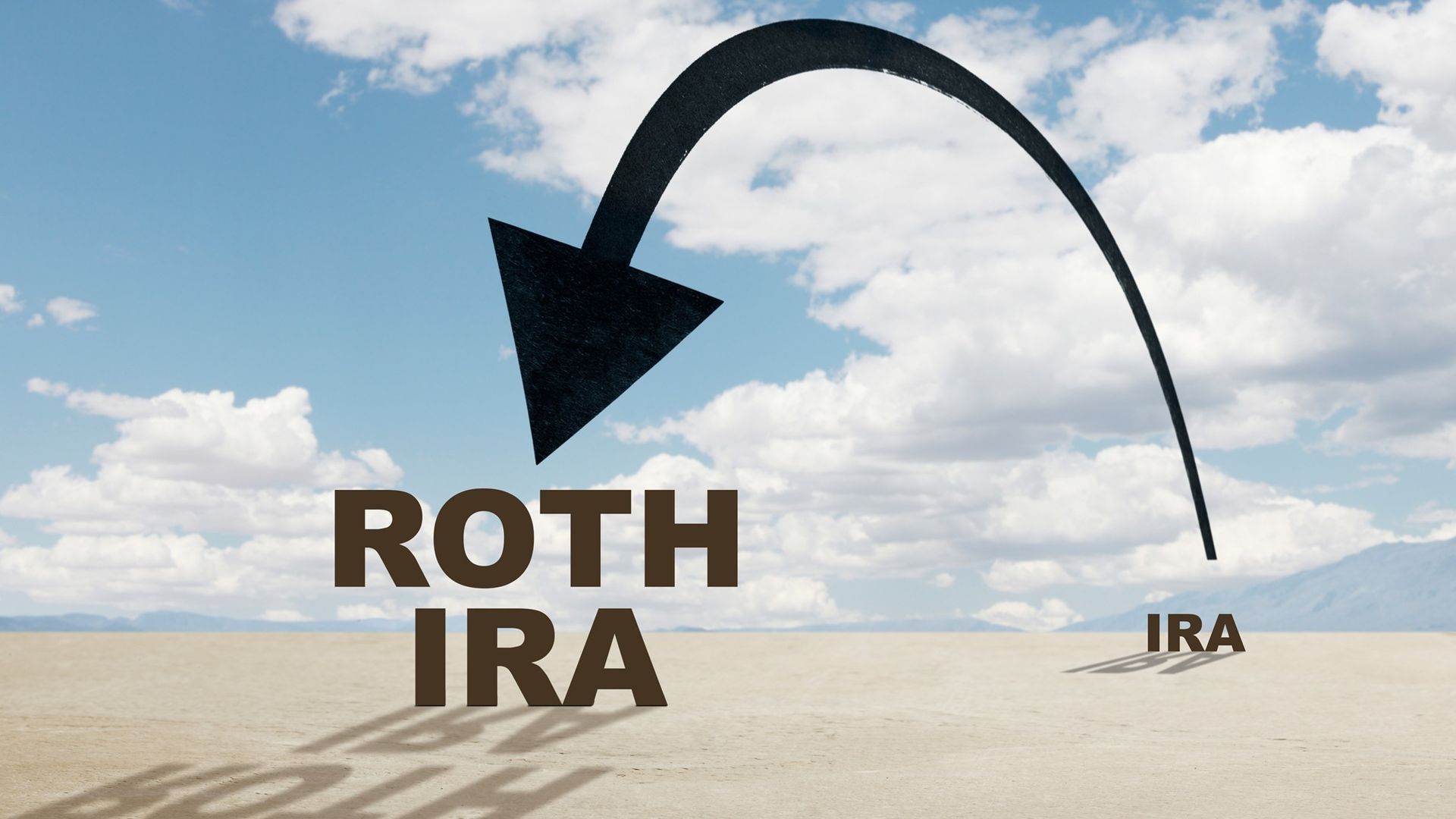
When markets crash, he performs Roth conversions to take advantage of lower valuations. His asset level allows him to weather political and economic uncertainty.
Averages 11% annual returns

Over 40 years, his portfolio averaged about 11% annual returns, factoring in down years. He learned to stay calm during downturns by looking at three-year trends.
Poured raises into savings
Whenever he received a salary increase, he directed it into savings rather than lifestyle spending. This approach accelerated wealth accumulation throughout his career.
Maxed 401k contributions strategy
He rejected the advice to just get the company match. Instead, he gradually increased contributions each year until reaching the maximum allowable amount.
“If you're not at the maximum allowable contribution, you should establish a strategy to get there.”
Planned for no Social Security

He never factored Social Security into retirement forecasts, assuming federal mismanagement would make it unavailable. This conservative approach ensured his plan would work regardless.
Estate plan with LLC and trusts
He placed rental properties in an LLC and gifts interest to his children's trusts annually. His home is titled as a life estate in Maryland, keeping it in the family after death.
The main idea
Wealth comes from spending less than you earn, maximizing retirement contributions, and maintaining detailed financial records for 40 years.