From Kiplinger · · 4m
Inheriting the family home with your siblings
A shared house is the hardest thing to split, and the fastest way to turn siblings into opponents.
In brief
A shared house is the hardest thing to split, and the fastest way to turn siblings into opponents. Settle ownership percentages, the appraised value and who pays which bill in writing, before anyone argues about what the house means. Originally reported by Kiplinger.
The asset that won't split
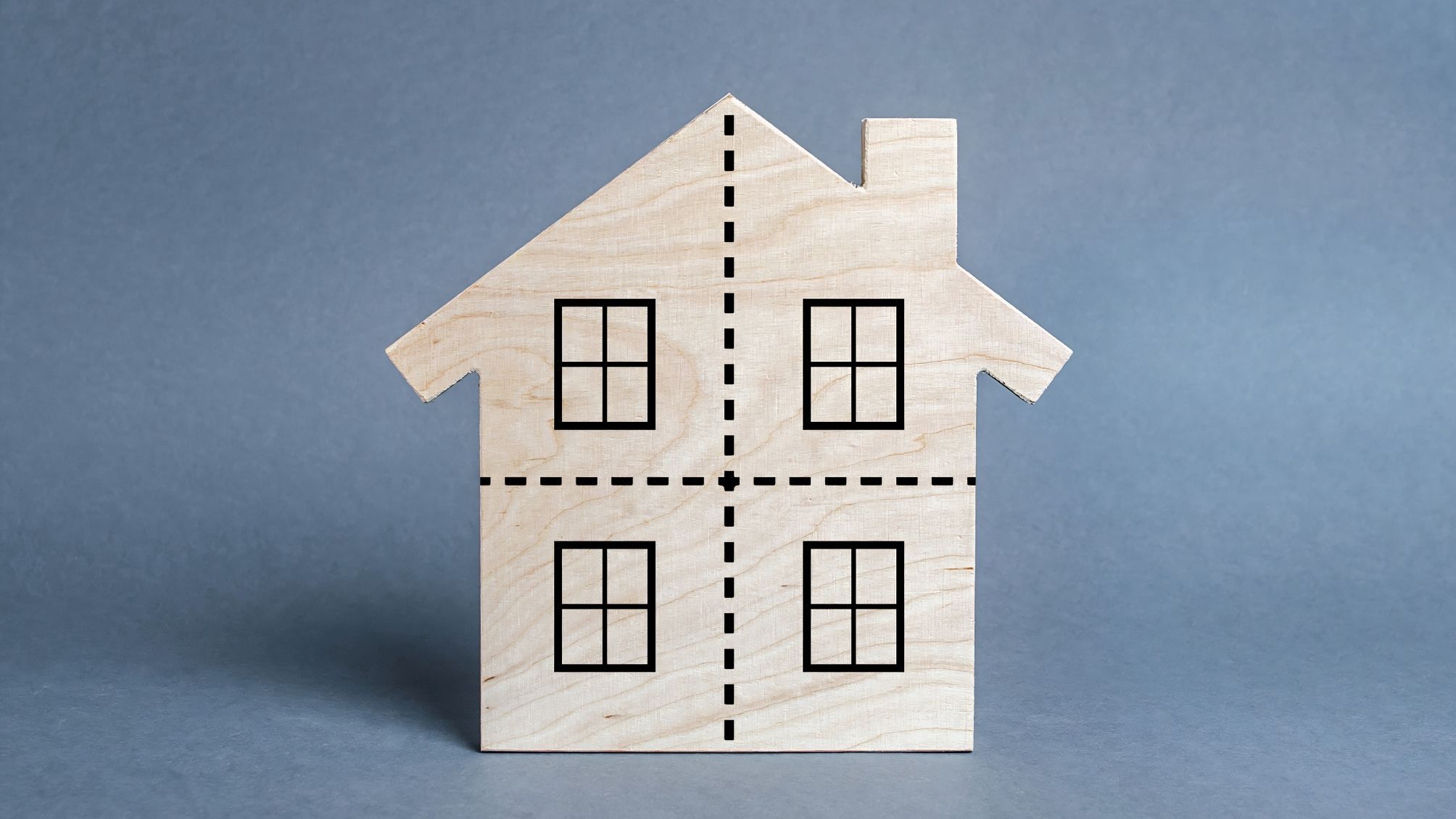
Cash divides itself. A house does not, so one parent's simple gift lands on siblings as a legal, financial and emotional negotiation none of them asked for.
“Unlike cash, a home isn't easily divided.”
The biggest thing you'll inherit
In a Morning Consult survey for Kiplinger, 33% of parents said real estate would be the largest share of what their kids inherit. Only 24% of adult children expected that.
You get a share, not rooms
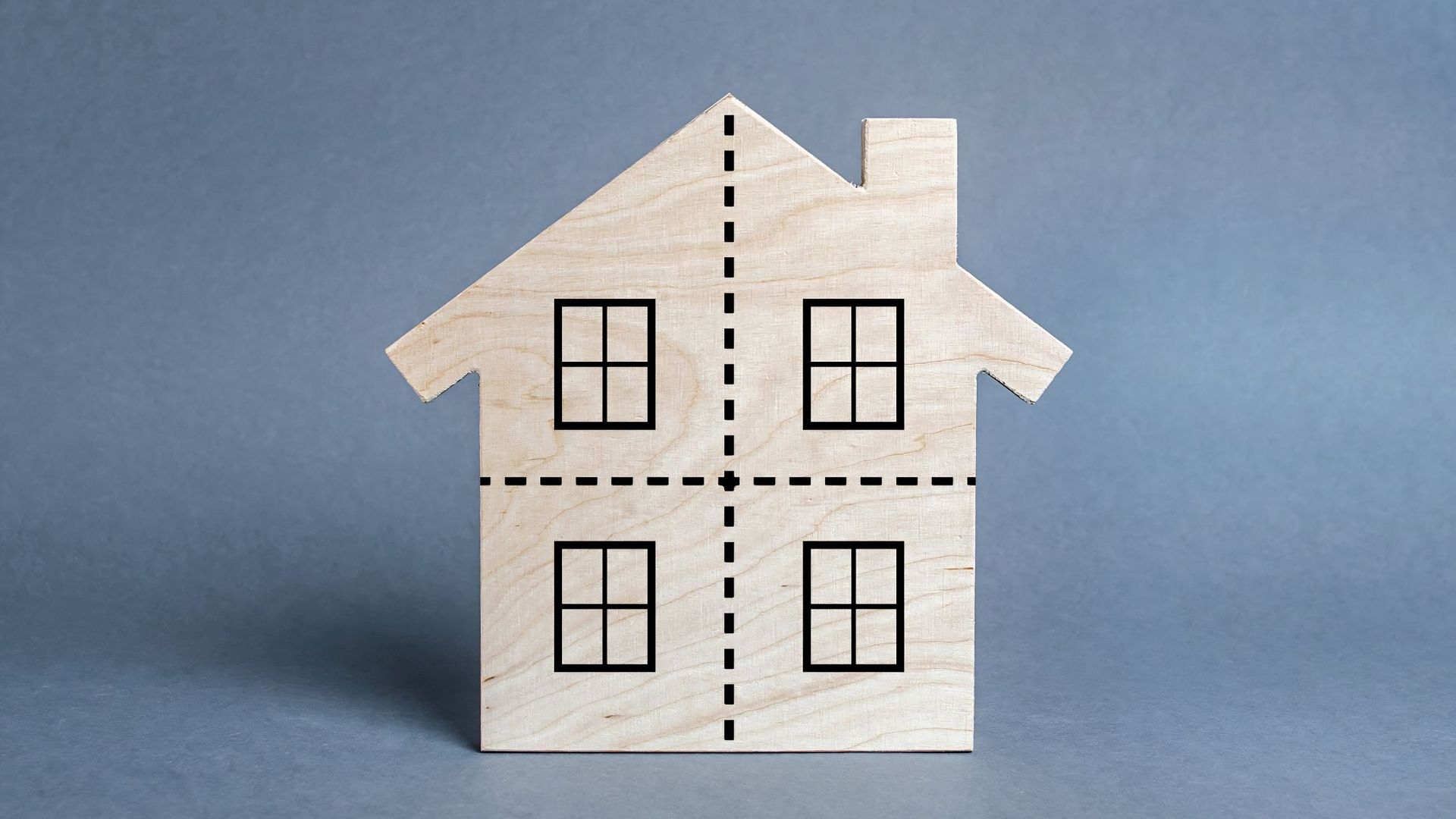
Three kids, one house means each gets a one-third ownership interest, not a wing of the building. The deed, the estate plan and state law set the exact arrangement.
“If a home is left to multiple beneficiaries, you aren't necessarily inheriting your own physical portion of the property.”
Probate holds the keys
If the home goes through probate, the executor manages it while the estate is administered, so nobody takes control on day one. A home in a trust can move faster.
Find out what comes attached
Before any decision, ask the executor or estate attorney about an outstanding mortgage, unpaid property taxes, liens or other debts riding along with the house.
Option one, sell it
If everyone agrees, sell and divide the net proceeds by ownership share. This is usually the cleanest path when nobody wants to live there and everyone wants cash.
Option two, buy the others out
One sibling keeps the house and pays the rest for their interests. Get an independent appraisal for a fair number, and expect to need cash, financing or a refinance.
Option three, own it together

Families keep inherited homes as rentals, vacation spots or shared houses. Write down how it can be used, how costs get split and what happens when someone wants out.
Nobody can sell alone
A single co-owner cannot put the whole property on the market. Depending on state law and how title is held, they can instead ask a court for a partition.
“One co-owner can't simply sell the entire property without the involvement of the others.”
Court is the costly exit
A partition proceeding can end in a court-ordered sale with proceeds split by ownership share. Try a voluntary sale, a buyout or a negotiated deal first.
“But litigation can be expensive and potentially damage family relationships long after the house is gone.”
The bills keep arriving

You may own the place for months while the estate settles and repairs get done. Property taxes, insurance, the mortgage, utilities and upkeep all keep running.
“During that time, the bills don't disappear.”
Agree on who pays
If one sibling fronts $5,000 for necessary repairs, decide up front whether that comes off the top of the sale proceeds before the rest is divided.
“Try to decide early who will pay each expense and keep good records.”
If one sibling moves in
Settle it early: do they pay rent to the other owners, or cover utilities and a bigger slice of the mortgage, taxes and maintenance instead? Put the answer in writing.
Stepped-up basis is the big one

A home bought for $150,000 and worth $400,000 at death generally gives heirs a $400,000 basis. Capital gains tax applies only to what you get above that.
Heirs brace for the wrong bill
Receiving an inheritance usually triggers no federal income tax, but selling can. 34% of adult children expect to owe tax versus 20% of parents. State rules vary too.
Money versus memories

To one sibling the house is a down payment. To another it's where the family grew up. A third of adult children with siblings expect an inheritance to cause conflict.
“A house can be one of the most emotionally complicated assets to inherit.”
Start with one neutral number
An independent appraisal gives everyone the same figure to argue from. The sibling who wants to stay still has to afford the mortgage, taxes, upkeep and the buyout.
“It can also help to separate sentimental value from financial value.”
Have the talk first
71% of parents plan to divide their estate equally, but only 47% of adult children expect that. Ask now whether the house is being left, split or sold through the estate.
“There's no universal right answer for what to do with an inherited house.”
The key point
Settle ownership percentages, the appraised value and who pays which bill in writing, before anyone argues about what the house means.