From Kiplinger · · 2m
Lower 2026 Tax Bill with Oil and Gas Investments
Investors can reduce 2026 tax bills by strategically timing oil and gas investments before year-end.
In brief
Investors can reduce 2026 tax bills by strategically timing oil and gas investments before year-end. Direct oil and gas ownership may lower 2026 tax bills through intangible drilling costs deductions, but requires careful timing and evaluation. Originally reported by Kiplinger.
Tax Benefits for Oil and Gas Investors
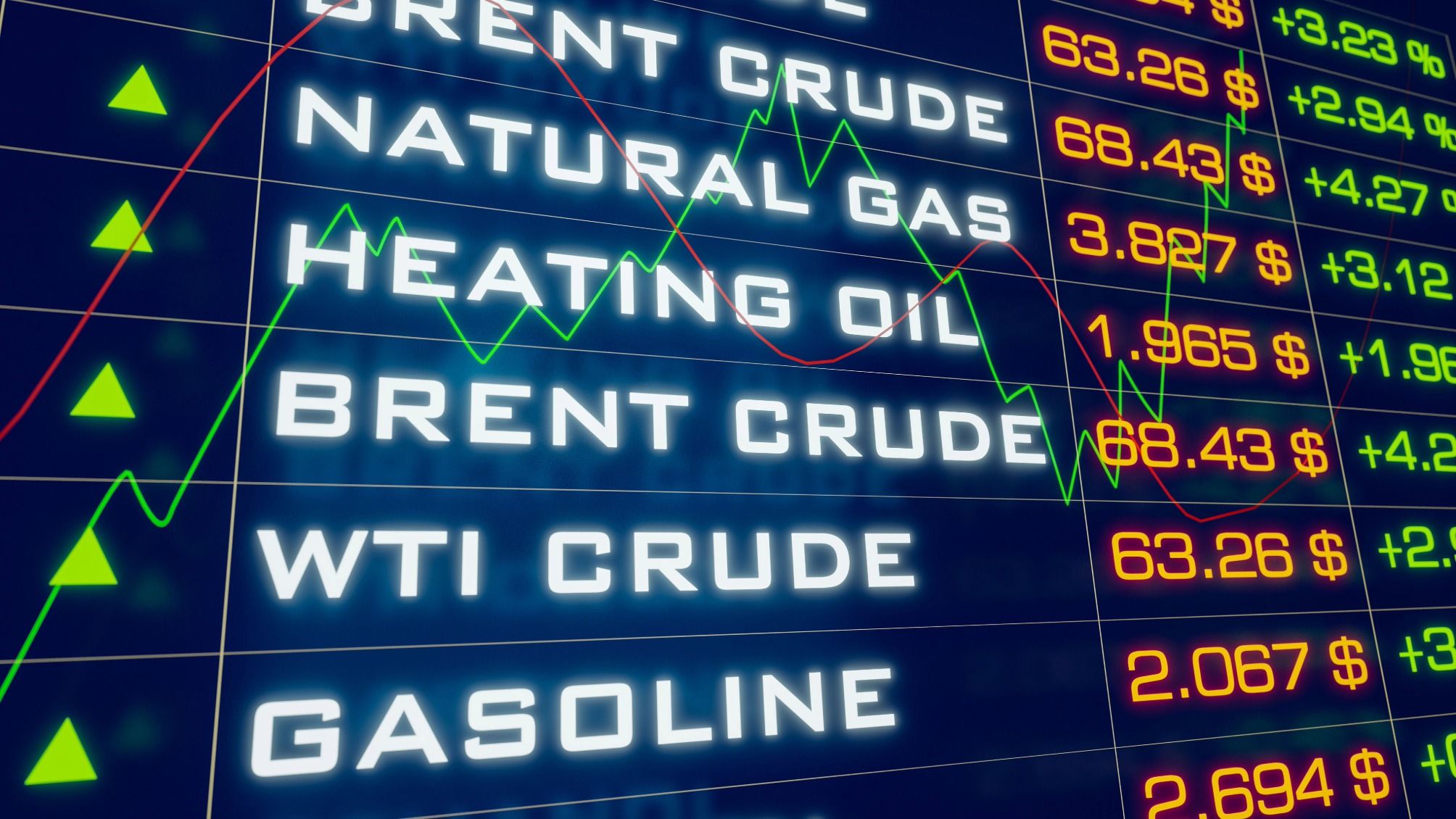
Investors can reduce 2026 tax bills through intangible drilling costs deductions before year-end.
Intangible Drilling Costs Explained
Intangible drilling costs (IDCs) include drilling labor, rig services, fuel, and other costs with no salvage value.
Tax Deduction Mechanics
IDCs may be deducted in the year they're paid or incurred, subject to tax rules and limitations.
Example of Tax Savings
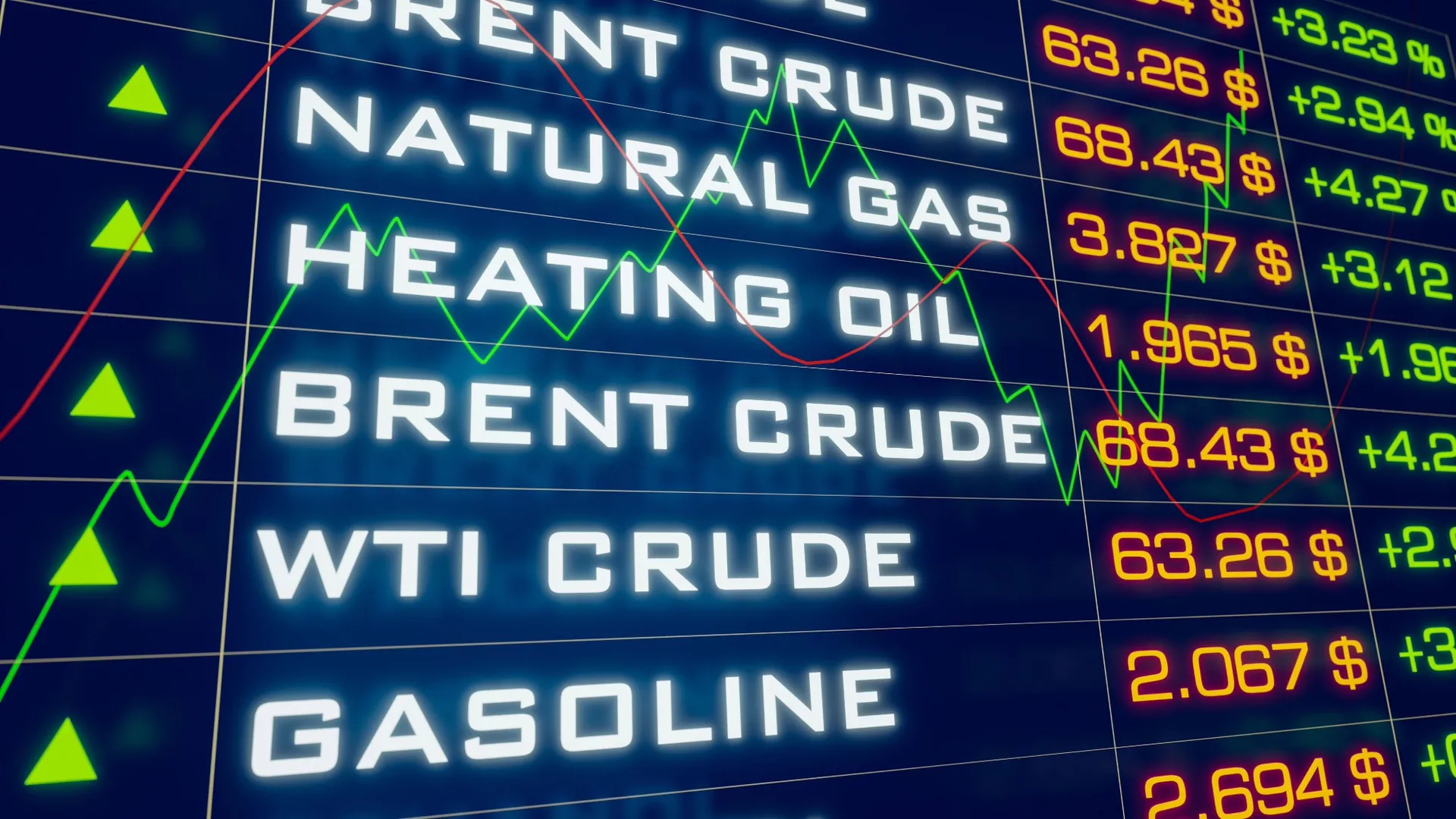
An investor spending $100,000 on a project with $70,000 in IDCs may reduce taxable income by $70,000.
2026 Tax Rules
For 2026, excess business loss thresholds are $256,000 for single filers and $512,000 for married couples.
Timing Matters
Investing before December 31 doesn't automatically make deductions available for 2026 tax year.
Development Schedule Impact
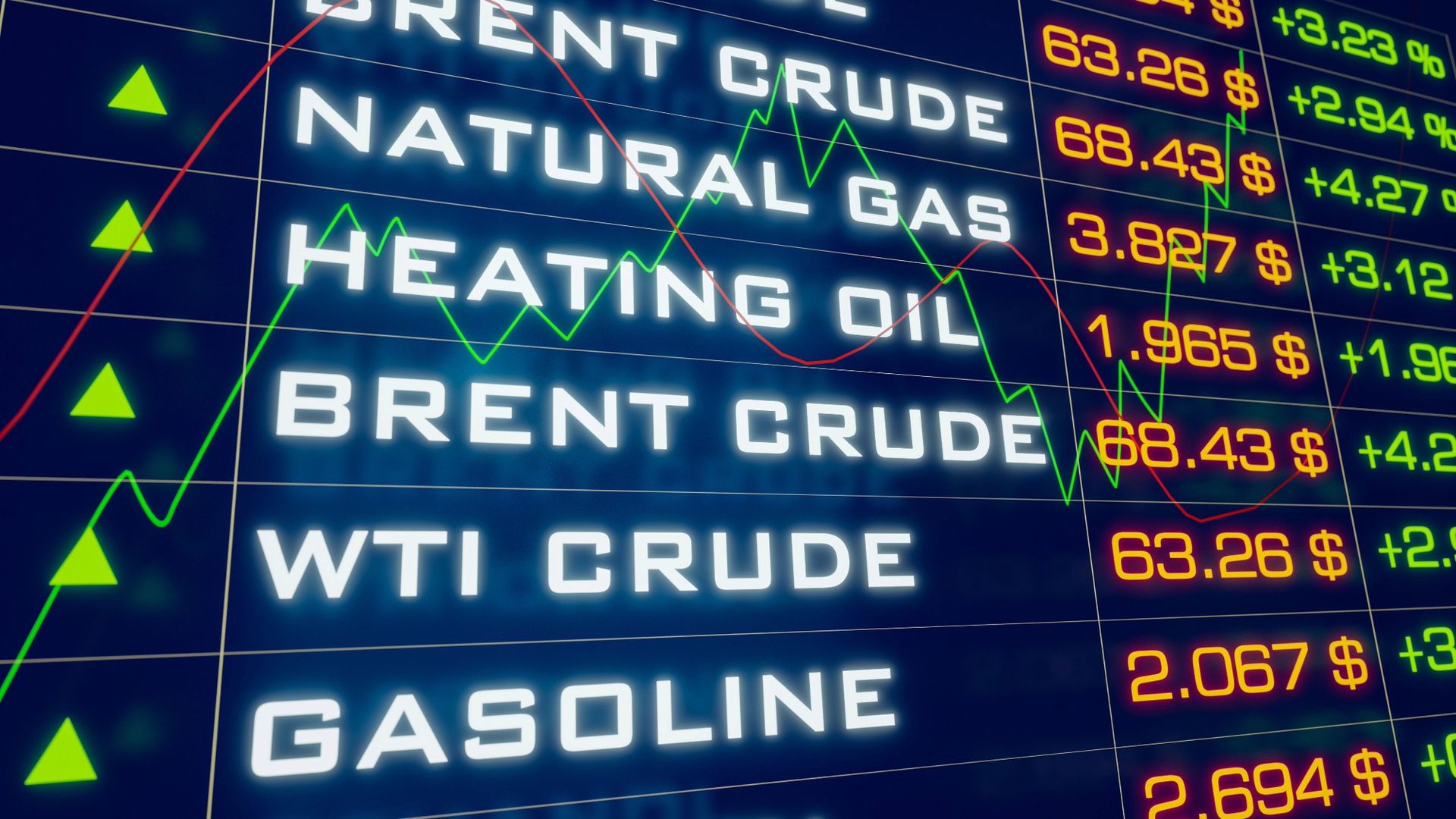
Drilling projects require significant preparation before work begins, affecting when deductions apply.
Tax Benefits Not Enough
Tax deductions don't guarantee investment success; oil prices and production can vary significantly.
Fourth Quarter Opportunity
Consulting a CPA before year-end helps evaluate tax benefits and investment suitability.
Conclusion
Tax savings are part of a sound investment decision, not the sole reason for investing in oil and gas.
The one thing
Direct oil and gas ownership may lower 2026 tax bills through intangible drilling costs deductions, but requires careful timing and evaluation.
Read the TL;DR — this story on one card.