From Kiplinger · · 1m 20s
Real Estate Investing Benefits in 2026
Real estate's traditional benefits face 2026 market shifts.
In brief
Real estate's traditional benefits face 2026 market shifts. Real estate's appreciation, yield, depreciation and inflation hedging benefits are now market-dependent rather than guaranteed. Originally reported by Kiplinger.
Real Estate Benefits
Many investors see real estate as the ultimate asset class with appreciation potential, steady income, tax breaks and inflation hedging.
Appreciation Risks
Appreciation is the biggest upside but least certain to materialize in today's market after interest rates rose overnight.
Yield Challenges
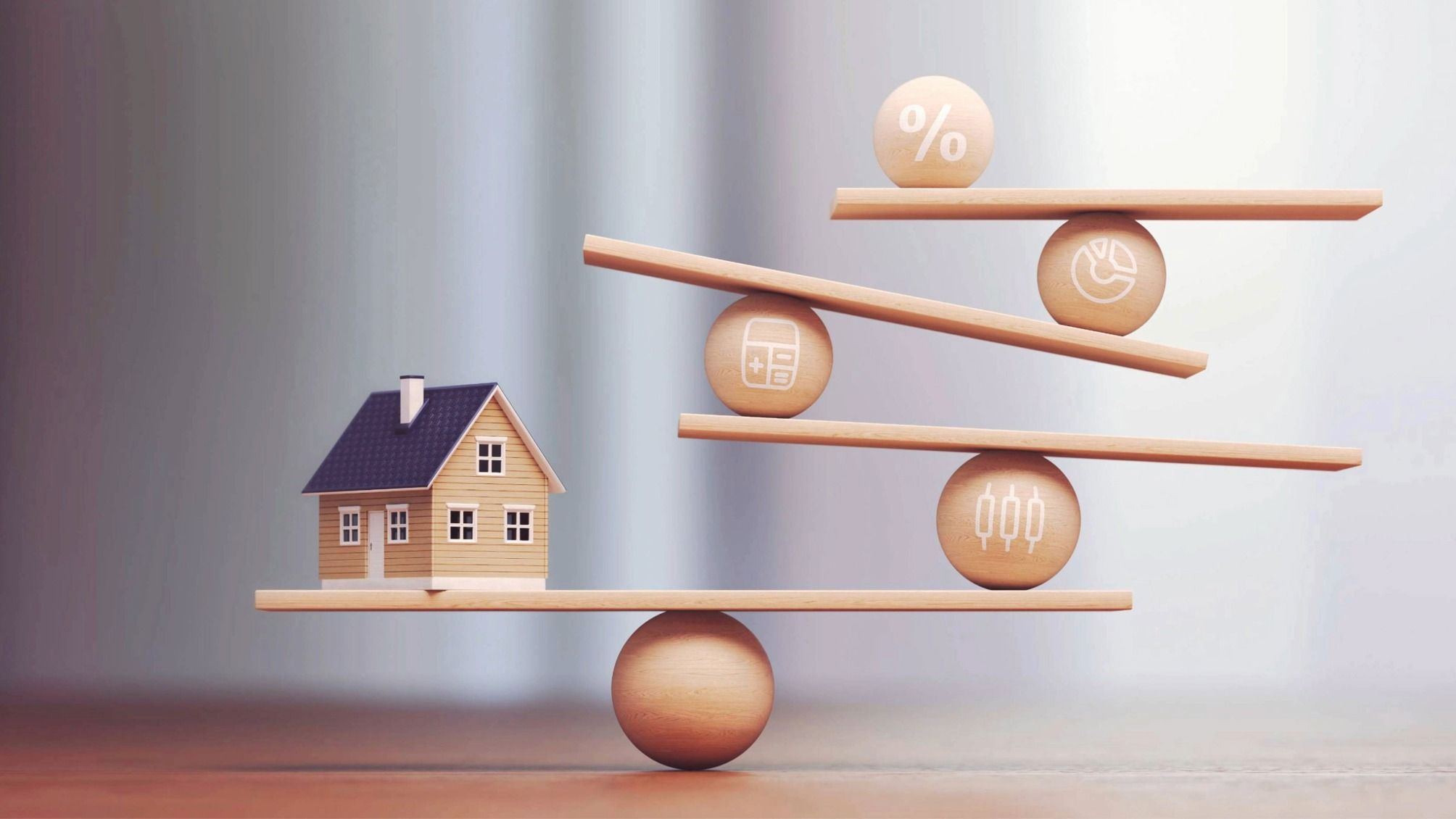
Finding real yield is hard in saturated low-cap-rate markets where properties generate only 4%-5% yearly income.
Depreciation Rules
Real estate depreciation allows tax losses but requires understanding the IRS's 27.5-year residential or 39-year commercial depreciation rules.
Inflation Hedging
Inflation hedging depends on durable demand and constrained supply, not just rising rents.
Market Reality

Real estate isn't a magic wand; it must be evaluated one investment at a time within shifting market trends.
Key Takeaway
The benefits take care of themselves only if fundamentals like tax code, macroeconomic trends and market conditions are strong.
Real Question
Leaving real estate out of your portfolio means giving up versatile investments, but treating benefits as guarantees is dangerous.
What Happens Next
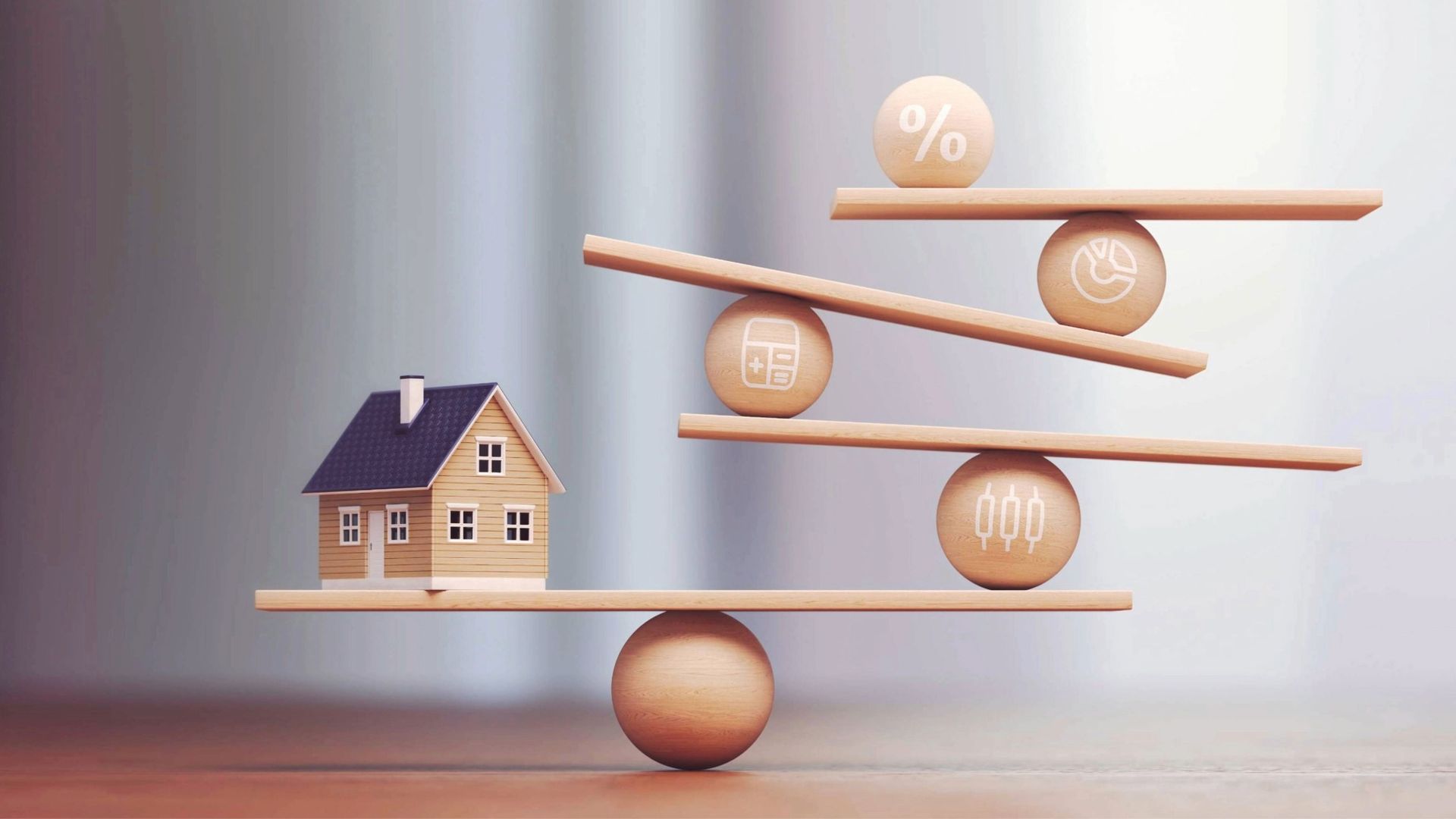
Investors must assess tax code, macroeconomic trends and market conditions for each real estate venture to avoid overreliance on assumptions.
The key point
Real estate's appreciation, yield, depreciation and inflation hedging benefits are now market-dependent rather than guaranteed.