From Kiplinger · · 1m 30s
Retirement Habits That Fail in Drawdown
Retirement habits built for growth often break when you stop working.
In brief
Retirement habits built for growth often break when you stop working. Retirement requires new money management habits that differ from accumulation strategies. Originally reported by Kiplinger.
Sequence of returns risk takes center stage

Retirement shifts from saving to spending, making the order of market returns critical for avoiding losses.
“Two retirees with identical average returns over a 30-year retirement can end up in very different places depending purely on when the bad years arrived”
You move from growth to income and stability
Retirement requires reducing aggressive investments to generate steady income without selling at losses.
“The balance you held at 45 is rarely the balance that serves you at 65”
Cash suddenly has a job
Holding a year or two of expenses in cash protects against selling investments at depressed prices during market drops.
“That buffer is what lets the rest of the portfolio stay invested through a rough patch”
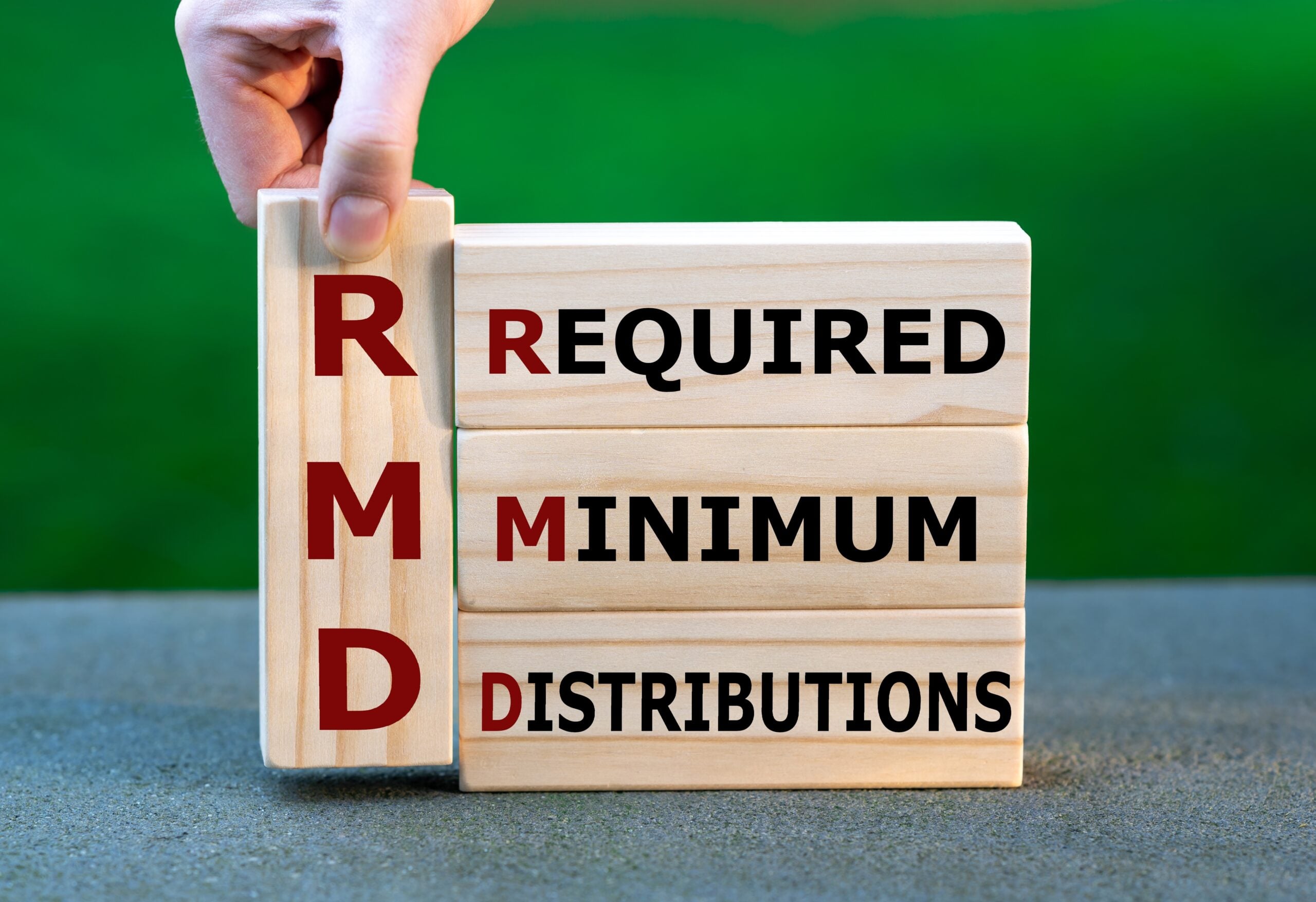
Required minimum distributions start making decisions

Starting at age 73, forced withdrawals from tax-deferred accounts increase tax burden and risk Medicare surcharges.
“The penalty for missing one is steep: 25% of the amount you failed to take, reduced to 10% if you correct it promptly”
Dollar-cost averaging runs in reverse
Retirement reverses dollar-cost averaging by selling shares when prices are low, accelerating portfolio erosion.
“Pulling a fixed dollar amount from a falling market chips away at the share count faster than most people expect”
You become a spender
Retirees often struggle to spend comfortably, either under-spending due to anxiety or overspending early on.
“Becoming a deliberate, comfortable spender, drawing down the money you worked to build without fear or recklessness, is one of the underrated challenges of retirement”
Retirement demands new habits

The transition from accumulation to drawdown requires planning and flexibility rather than the same habits that built wealth.
“The instincts that built the nest egg, save aggressively, stay heavily invested, ignore short-term noise, don't all translate cleanly to spending it down over decades”
The drawdown phase rewards planning
Planning for retirement transitions helps avoid the pitfalls of the drawdown phase and creates smoother financial outcomes.
“Knowing the difference, and adjusting before the shift catches you off guard, is most of the battle”
Retirement transition needs preparation
The years around retirement require specific planning to handle the shift from accumulation to drawdown.
“The years right around your retirement date are when these shifts hit hardest, which is exactly why thinking them through in advance tends to make the whole transition smoother”
What matters most
Retirement requires new money management habits that differ from accumulation strategies.