From Kiplinger · · 2m
Roth Conversions: Tax Strategy or Costly Mistake
Roth conversions can save future taxes or cost thousands today.
In brief
Roth conversions can save future taxes or cost thousands today. Roth conversions transfer pre-tax retirement funds to tax-free accounts but trigger immediate income taxes that may push you into higher brackets. Originally reported by Kiplinger.
Quick answers
- What is a Roth conversion?
- A Roth conversion moves money from a traditional IRA or 401(k) to a Roth IRA where withdrawals are tax-free.
- What is the key takeaway from Roth Conversions: Tax Strategy or Costly Mistake?
- Roth conversions transfer pre-tax retirement funds to tax-free accounts but trigger immediate income taxes that may push you into higher brackets.
What is a Roth conversion?

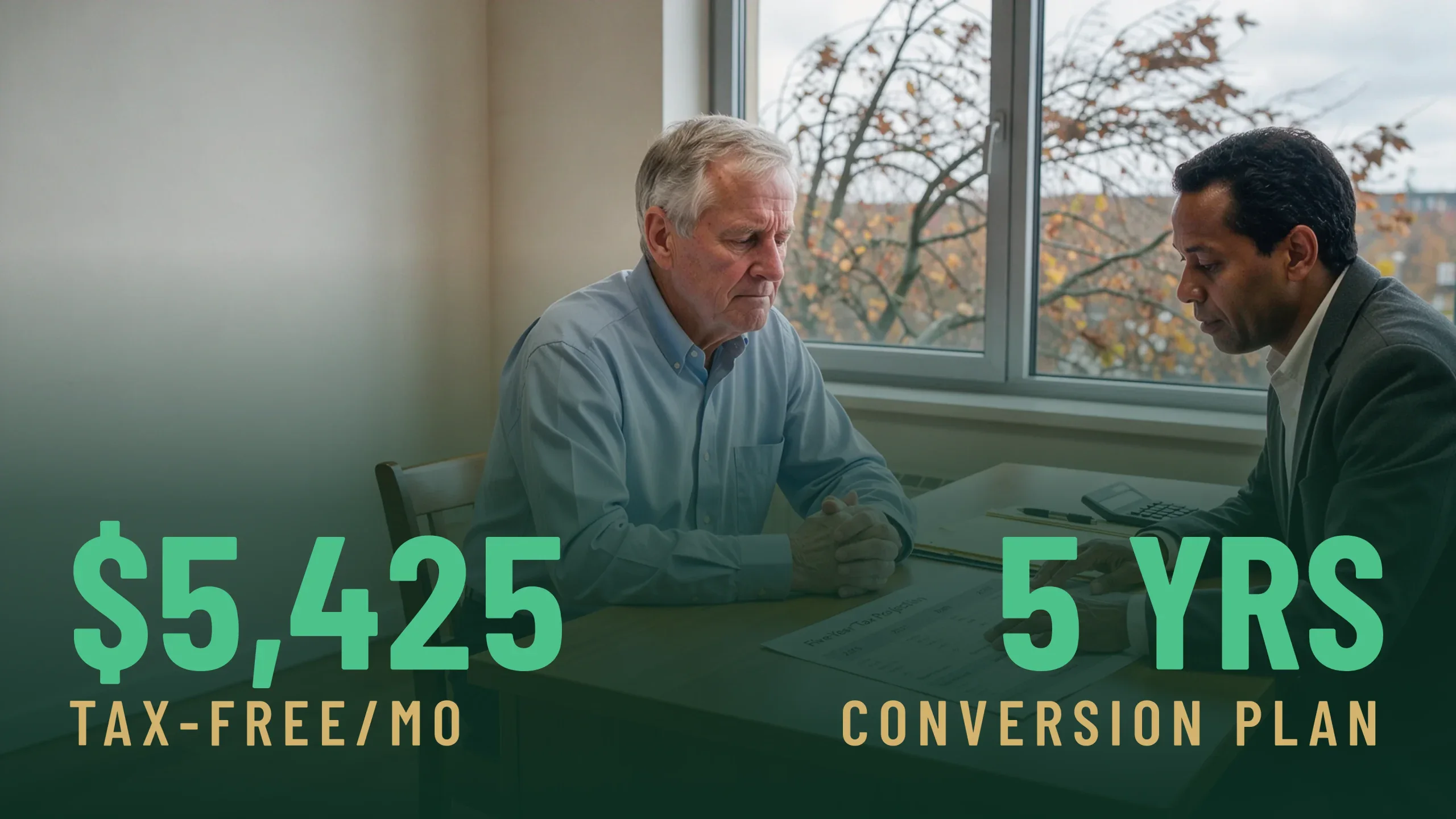
A Roth conversion moves money from a traditional IRA or 401(k) to a Roth IRA where withdrawals are tax-free.
Tax impact of conversion
You owe income tax on the entire pre-tax amount converted, which may push you into a higher tax bracket.
Roth conversion benefits
Creates future tax-free investment growth withdrawals and locks in current tax rates for retirement balances.
Roth conversion risks

Can trigger Medicare surcharges, higher taxes on Social Security, and loss of workplace retirement plan benefits.
When conversions work best
When your current tax rate is lower than expected future rates and you have enough liquid assets to cover the tax bill.
Roth conversion timing
Conversions must be completed by year-end to count, with tax implications for the following year.
Roth conversion for couples

Helps surviving spouses avoid higher Medicare surcharges and tax rates after one spouse dies.
Roth conversion for heirs
Allows tax-free inheritance for loved ones by avoiding income taxes on withdrawals.
Roth conversion costs
Can create immediate financial issues like higher Medicare premiums and loss of tax credits.
Roth conversion for retirees

Retirees with $500,000 to $5 million in retirement savings may benefit most from strategic conversions.
Roth conversion for young investors
Young investors may face higher tax rates on conversions due to current income brackets.
Roth conversion for estates
Converting retirement accounts can reduce estate taxes for heirs by avoiding income tax on withdrawals.
Roth conversion for charities

Charities can receive traditional retirement accounts without owing income tax on distributions.
Roth conversion for Medicare
Medicare surcharges can jump significantly if conversions push income over thresholds.
Roth conversion for RMDs
Roth conversions reduce required minimum distributions but cannot be used for RMDs themselves.
Roth conversion decision factors

Current tax rates, retirement savings size, goals for money, liquid assets, and market conditions.
In short
Roth conversions transfer pre-tax retirement funds to tax-free accounts but trigger immediate income taxes that may push you into higher brackets.
Read the TL;DR — this story on one card.