From Kiplinger · · 1m 30s
Roth IRA Growth at 29: Index Funds vs. Individual Stocks
29-year-old with $270k in stocks weighs switching to index funds for retirement.
In brief
29-year-old with $270k in stocks weighs switching to index funds for retirement. A 29-year-old with $270k in individual stocks considers shifting to index funds for better long-term growth without sacrificing early retirement savings. Originally reported by Kiplinger.
Roth IRA Balance

A 29-year-old has $270,000 in retirement accounts, with $220,000 in Roth IRA.
Conservative Growth Projection
At age 60, this portfolio could grow to $2.05 million with a 7% annual return.
Index Fund Advantage
The S&P 500 index offers 10% average annual returns since 1957, after inflation.
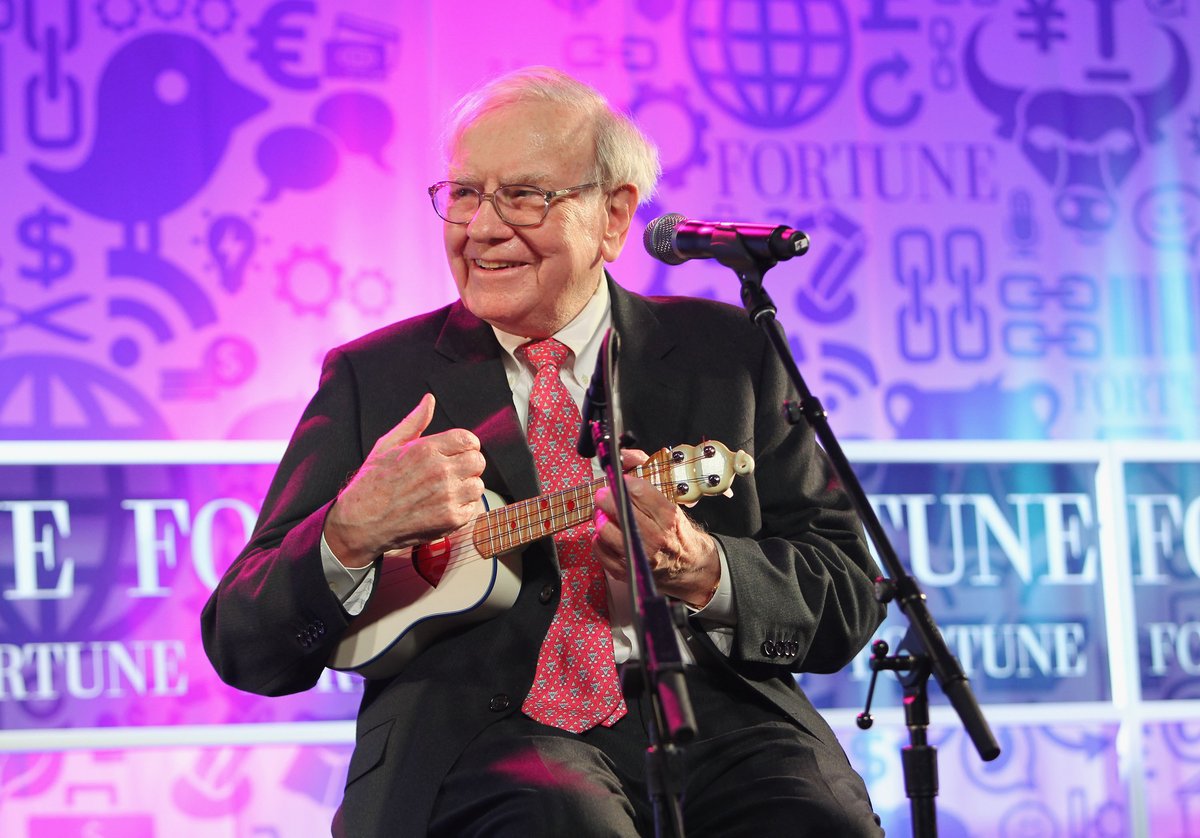
Warren Buffett's View

Buffett says non-professionals should own a cross-section of businesses via low-cost index funds.
“The goal of the non-professional should not be to pick winners, neither he nor his 'helpers' can do that, but should rather be to own a cross-section of businesses that in aggregate are bound to do well. A low-cost s&p 500 index fund will achieve this goal.”
Risk Tolerance Question
Can you continue picking stocks for life? A single bad pick risks significant losses.
Indexing Benefits
Indexing provides instant diversification, reducing portfolio volatility for long-term investors.
Mega-Cap Risk

The S&P 500 is market-cap weighted, with tech giants like the Magnificent 7 making up a large slice.
Hybrid Strategy Option
A core-satellite strategy allocates 80-90% to index funds and 20-10% to individual stocks.
Tax Considerations
Roth IRA allows reallocation without tax impact, but tax losses can't be harvested.
Expert Recommendation
Danielle Arlotta suggests allocating future contributions to index funds and rebalancing periodically.
Vincent Garaventa's View
Garaventa says a hybrid approach balances stock selection with index fund simplicity.
What Happens Next
The investor may shift to index funds gradually or maintain individual stocks based on risk tolerance.
What it means
A 29-year-old with $270k in individual stocks considers shifting to index funds for better long-term growth without sacrificing early retirement savings.