From Kiplinger · · 3m
SEC's shareholder proposal shift weakens investor power
The SEC is stepping back from regulating shareholder proposals, giving companies more control and potentially limiting individual investors' ability to influence corporate decisions.
In brief
The SEC is stepping back from regulating shareholder proposals, giving companies more control and potentially limiting individual investors' ability to influence corporate decisions. Individual investors will have fewer ways to influence company policy through proxy voting, and may need to sell stocks they disagree…
What shareholder proposals do
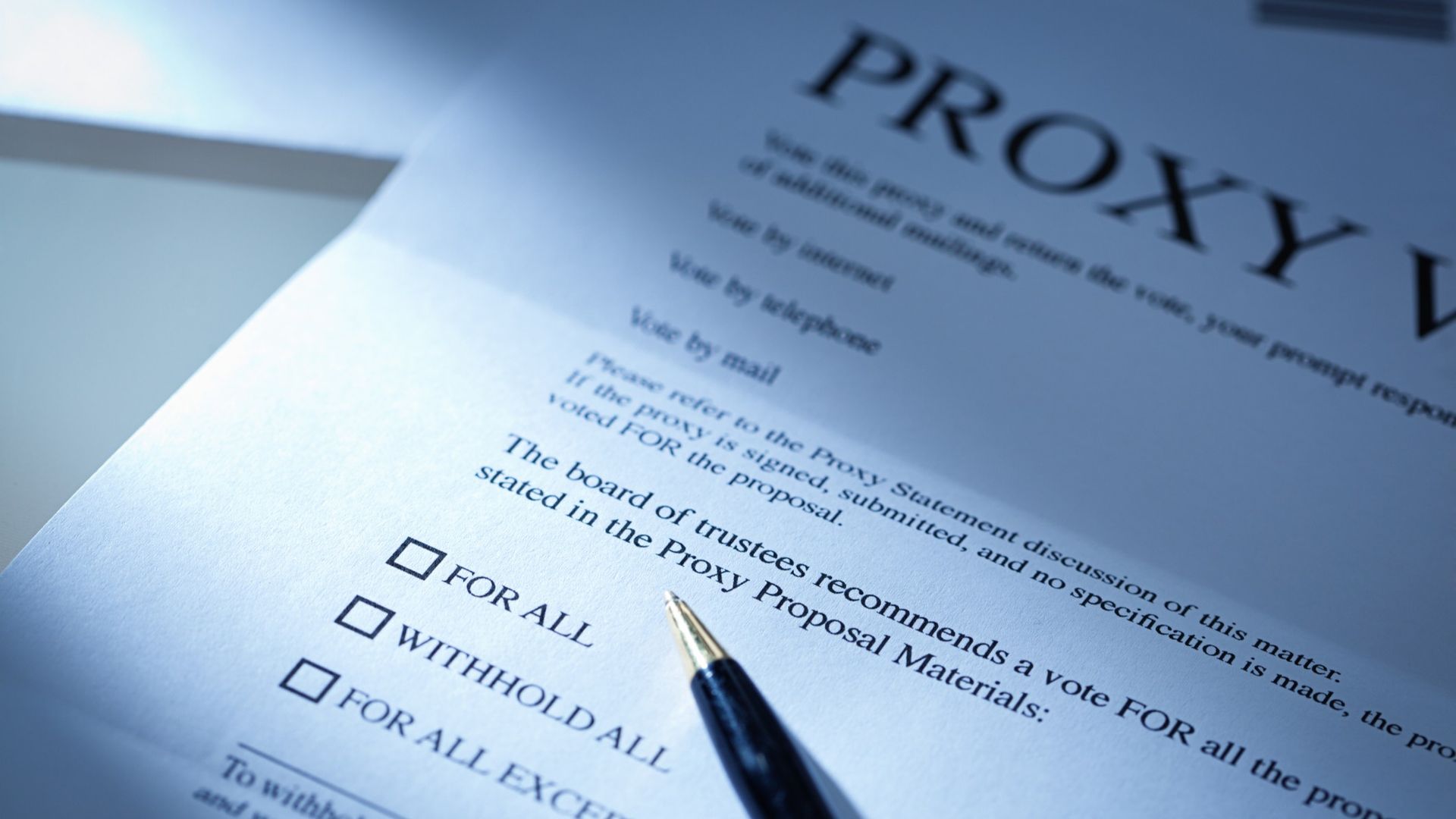
Shareholders can submit proposals on issues like greenhouse gas emissions, executive pay, or board diversity. These appear in proxy materials and let investors vote on matters beyond the board's ordinary business decisions.
The SEC's traditional referee role
For decades, the SEC decided which proposals companies had to include on ballots. Companies seeking to exclude a proposal could request a no-action letter from the SEC, which signaled whether the exclusion was legally acceptable.
The SEC steps back
In November 2025, the SEC said it would stop answering most no-action requests. By August 2026, it announced it would no longer weigh in on any exclusion requests. Companies now decide on their own whether to include proposals.
Rule 14a-8 could disappear
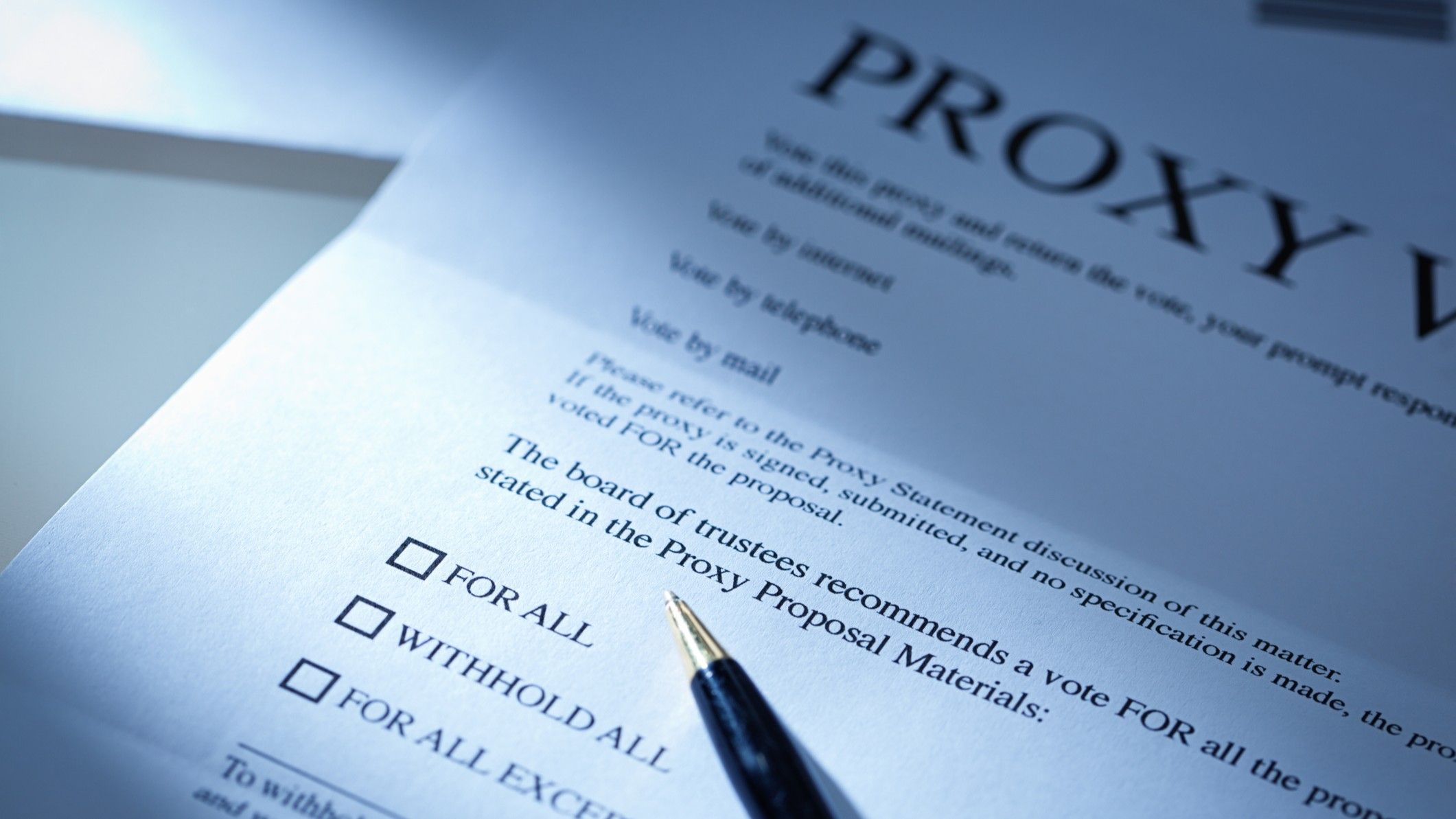
SEC Chairman Paul Atkins argues the rule oversteps federal authority. On September 16, 2026, the SEC formally proposed rescinding Rule 14a-8 entirely, which would eliminate the federal guarantee that shareholders can force proposals onto ballots.
Companies already excluding more
With the SEC no longer acting as referee, companies are excluding more proposals. Shareholders are fighting back in court, with six lawsuits filed in the 2026 proxy season alone, compared to fewer than 30 over the past 50 years.
Only big investors can fight back
Most individual investors can't afford to sue over a proposal. Large asset managers and activist investors with deep pockets are the ones winning in court, so their priorities dominate the proposals that reach shareholder votes.
States will set their own rules
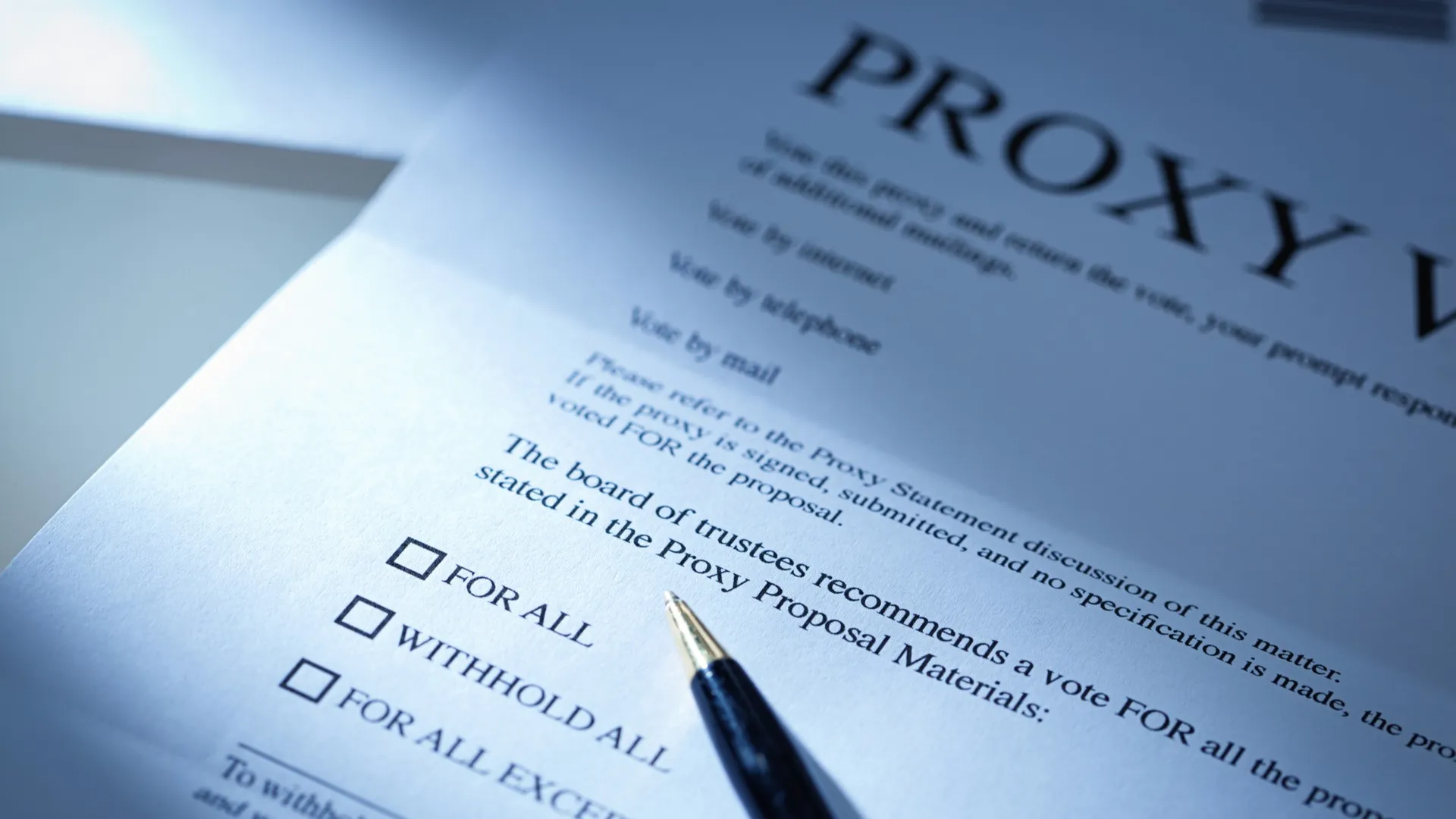
Currently, Rule 14a-8 sets a federal floor: any shareholder owning $2,000 of stock for three years can submit a proposal. If the rule is rescinded, each state's corporate law will govern, creating vastly different standards.
Texas is hostile to shareholders

Texas allows companies to set ownership thresholds as high as $1 million, eliminating most individual investors. Tesla and other firms are reincorporating there to escape shareholder pressure, making it harder for average investors to influence policy.
Weaker corporate governance ahead
Without Rule 14a-8, it becomes harder to challenge excessive executive pay or rein in problematic leaders. Investors pursuing environmental, social, or governance initiatives may have to follow larger institutional investors with different priorities.
Your only option: sell the stock
With fewer ways to influence companies through proxy voting, individual investors' main remedy is to vote with their feet. If unhappy with a company's direction, they can simply sell their shares and move on.
The essence
Individual investors will have fewer ways to influence company policy through proxy voting, and may need to sell stocks they disagree with rather than push for change from within.